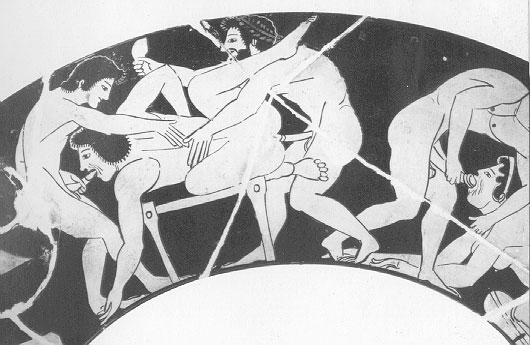
EROS in (early) PAGAN art
Notice he has wings, and is usually always naked; also rarely with a bow and arrow:
With ma-ma:
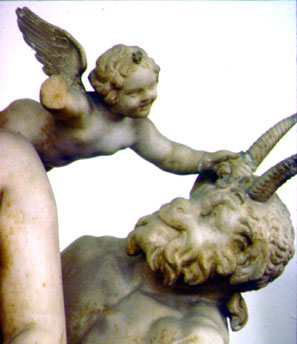
http://web.uvic.ca/grs/bowman/myth/images/03.jpg (via http://web.uvic.ca/grs/bowman/myth/gods/aphrodite_i.html) (Univ. of Victoria), Aphrodite:
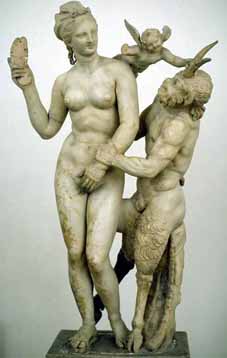
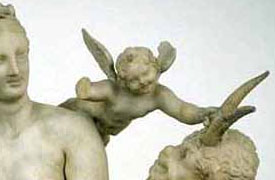
Aphrodite, Eros, and Pan … Delos, ca 100 BC.
http://arthist.cla.umn.edu/aict/images/ancient/gs/512/103.jpg (University of Minnesota, Dept. of Art History):
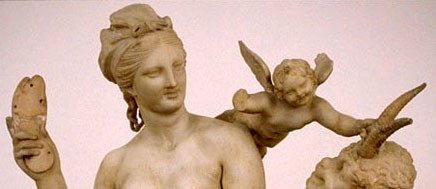
http://harpy.uccs.edu/greek/sculpt/aphrodite3.JPG (University of Colorado):
http://www.flickr.com/photos/h_savill/2505747620/in/set-72157600125098241/, “Venus and Eros”:
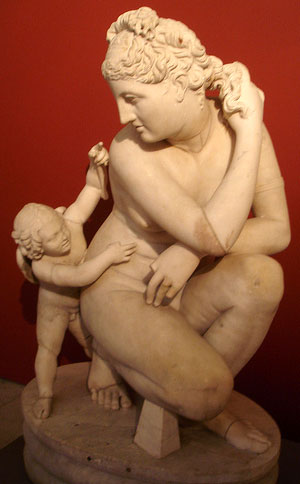
http://www.phil.uni-erlangen.de/~p1altar/photo_html/plastik/weiblich/sitzend/aphrodite/kauern13.jpg (via http://www.phil.uni-erlangen.de/~p1altar/photo_html/plastik/weiblich/sitzend/aphrodite/kauern13.html), Kauernde Aphrodite (Crouching Aphrodite):
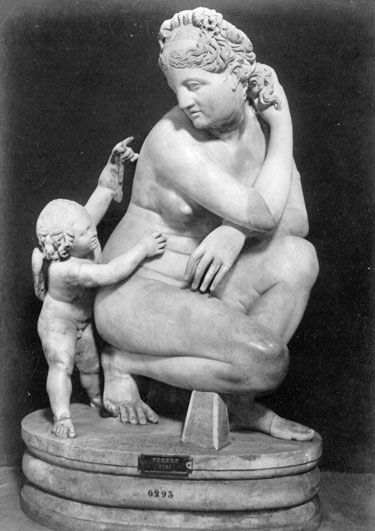
Translated from German: Marble statue, sitting,
womanlike, naked; behind their small winged Eros
with Balsamarium.
Group with Eros. … Napoli - Museo Nazionale - Venere
e Amore (Farnese)
http://www.hermitagemuseum.org/html_En/08/hm88_0_0_7_1.html, Aphrodite and Eros, 2nd century:
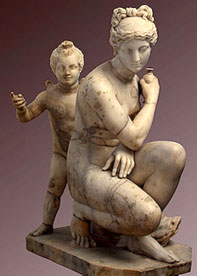
http://atheism.about.com/library/FAQs/religion/blgrk_aphrodite01.htm, Aphrodite and Eros:
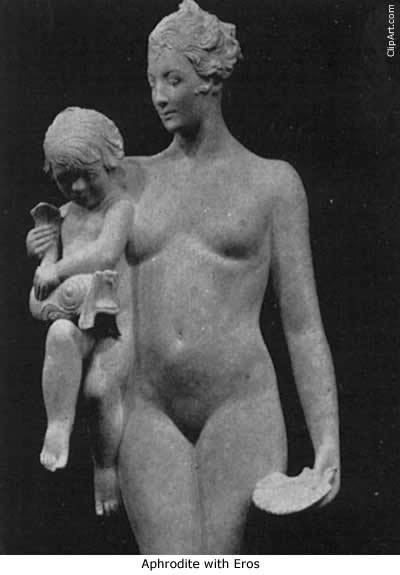
http://www.utexas.edu/courses/mythmoore/imagefiles3/aphros.html (Univ. of Texas at Austin):
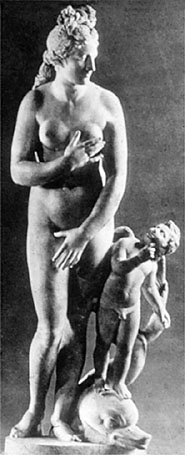
Aphrodite, Eros, and dolphin. Roman marble copy of a Greek original from the 2nd c. BCE derived from a 4th c. BCE Praxitelean type.
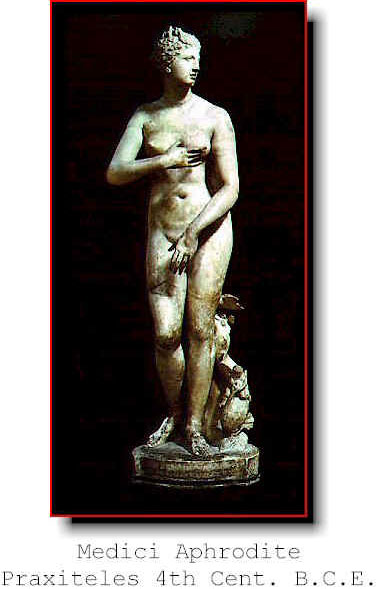
http://www.phil.uni-erlangen.de/~p1altar/photo_html/plastik/weiblich/stehend/unbekleidet/aphrodite/medici.html, Aphrodite Medici (Praxiteles [c. 370-340 BC] 4th Cent. B.C.E.):
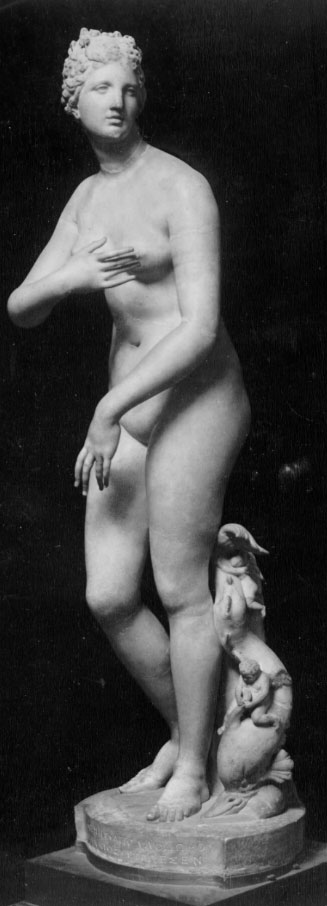
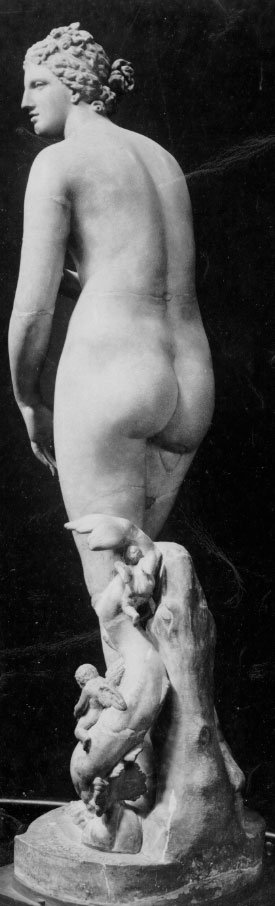
Translated from German: Marble statue, standing,
womanlike, naked.
As support Eros on dolphin.
http://www.mfk.u-szeged.hu/~koncz/docs/gorog/aphrodte_2.htm, “Medici Venus” (copy of 4th century BC):
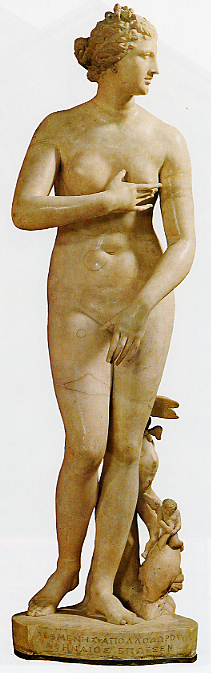
http://www.kunstmuseum.li/web2306e/Inhalt/x_goetter1.html#,
“Massimiliano Soldani Benzi (1656–1740)
Venus Medici” (copy of 4th century BC):
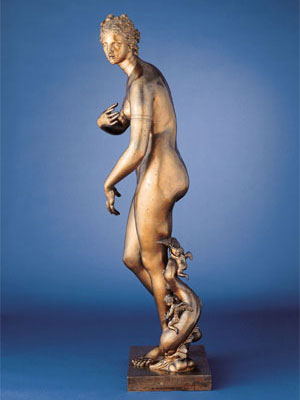
http://130.246.192.12/images/conway/703e44c0.html, Medici Venus, 17th century (copy of 4th century BC):
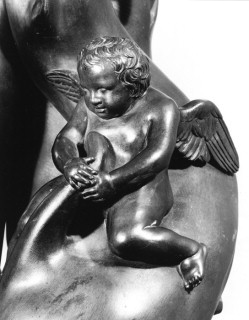
http://www.texaschapbookpress.com/magellanslog8/mediciaphrodite.htm:
http://www.clubs.psu.edu/up/aegsa/rome/apr01.htm, Roman Calendar – April: The Festival of Venus:
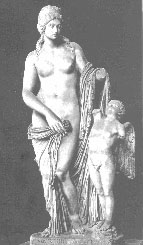
http://www.hermitagemuseum.org/html_En/03/hm3_1_1c.html (The State Hermitage Museum):
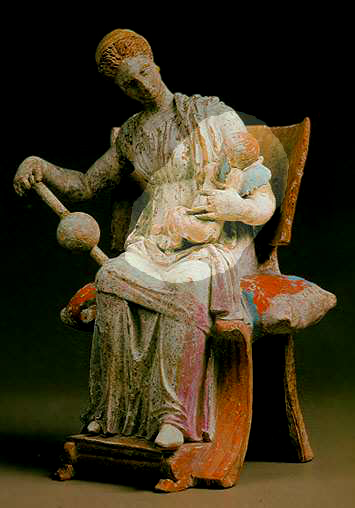
Figurine of Aphrodite Playing with Eros, Tanagra, Late 4th century BC.
http://web.uvic.ca/grs/bowman/myth/images/haifa/h113.jpg (via http://web.uvic.ca/grs/bowman/myth/gods/aphrodite_i.html) (Univ. of Victoria), Aphrodite:
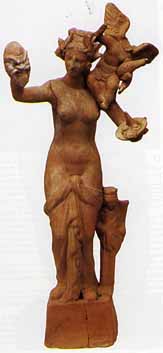
Aphrodite and Eros … Terracotta stattue, 2nd century BC.
http://www.evelynaimisfineart.com/evelynaimisfineart/witheros.html:
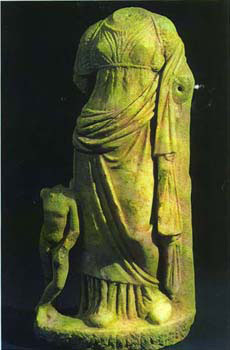
"Roman Marble Statuette of Aphrodite with Eros" 1st - 2nd Century AD, Marble, 18 inches
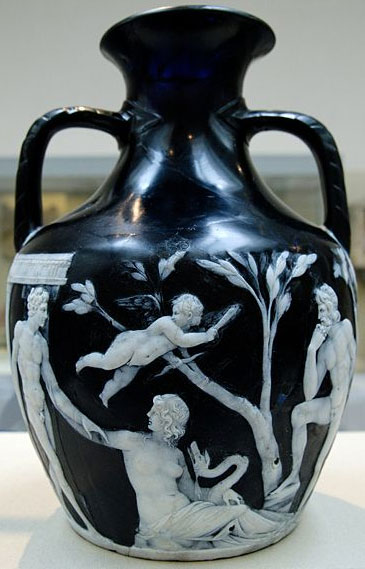
http://en.wikipedia.org/wiki/Portland_Vase, Portland Vase:
The Portland Vase is a first century BC Roman cameo glass vase:
Imperial Rome and Christian Triumph, Elsner, 1998, p. 185, illustration 124:
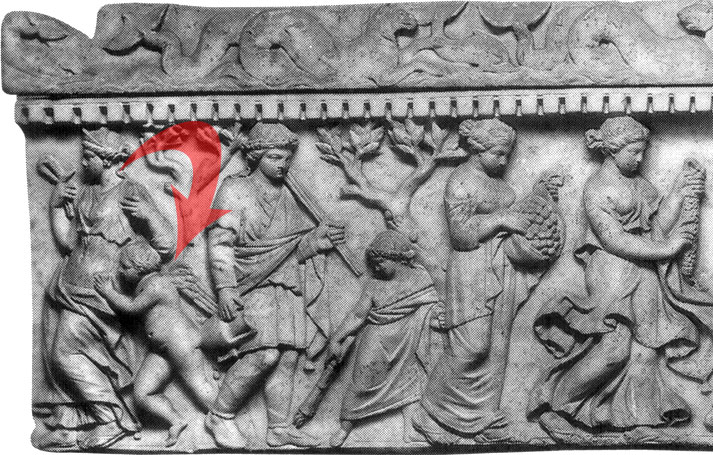
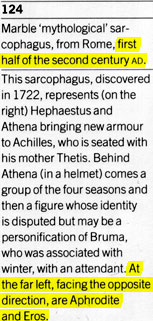
Mosaics of the Greek and Roman World, Dunbabin, 1999, p. 96, “Britain” (pagan art):
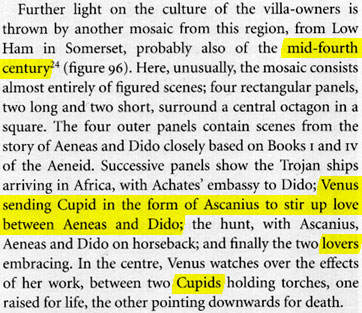
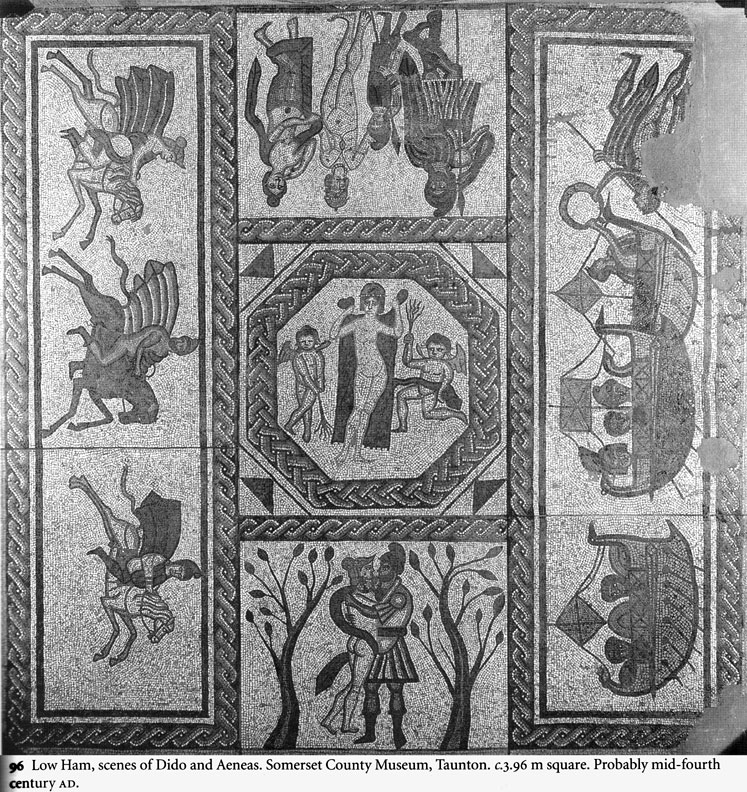
P. 97, “Low Ham, scenes of Dido and Aeneas”:
Mosaics of the Greek and Roman World, Dunbabin, 1999, p. 167, figure 172, “Shahba-Philippopolis, mosaic of marine Aphrodite”:
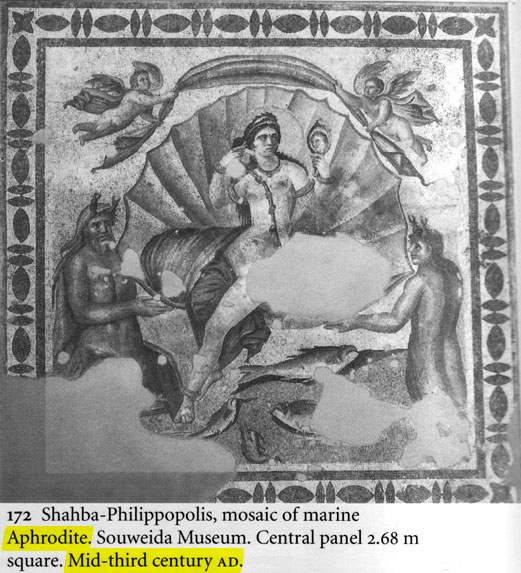
P. 166, “Syria and the east”:
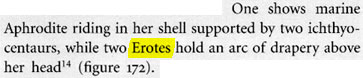
http://terra.antiqua.free.fr/mosaiques/toilette%20Venus%20avec%20saisons_JPG_view.htm (via http://terra.antiqua.free.fr/mosaiques2.html), “toilette Venus avec saisons”:
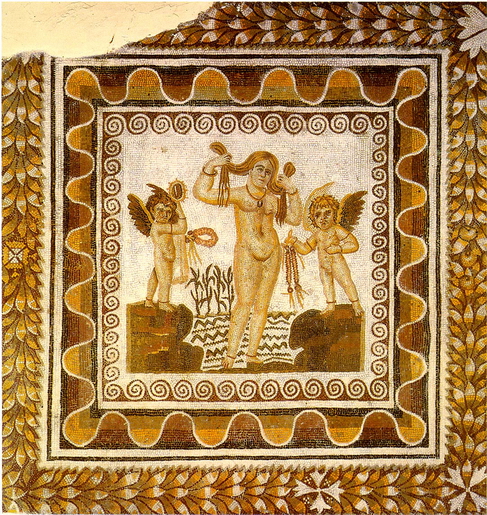
http://www.stoa.org/gallery/album21/Venus_and_four_Seasons_P4140081, Sousse Museum, “Venus and four Seasons mosaic”:
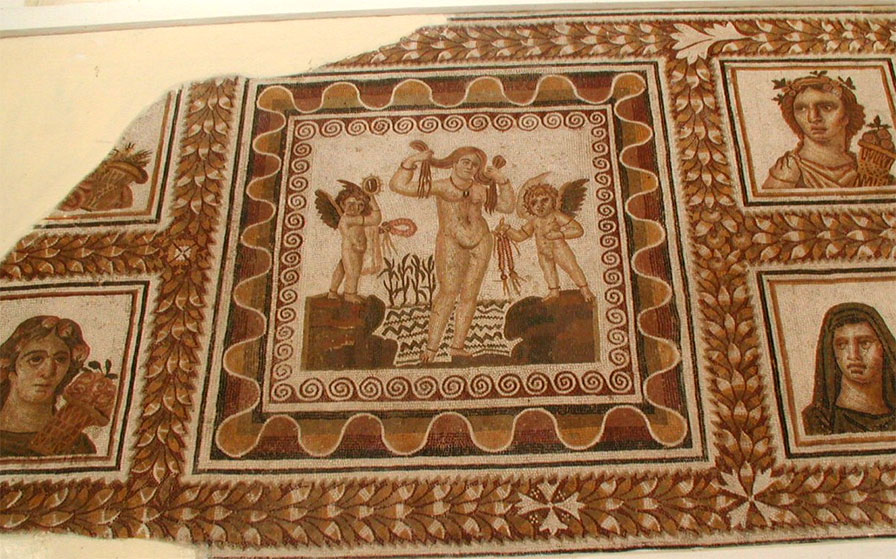
http://pro.corbis.com/, Search # VN002954, Venus Scolding the Putti (floor mosaic), 2nd century A. D.:
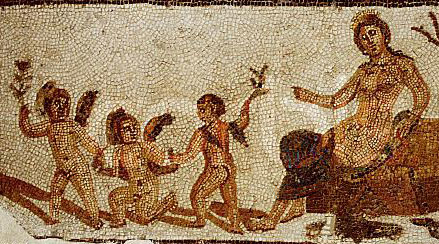
http://pro.corbis.com/, Search # HG002175, Mosiac in House of Aphrodite, Bulla Regia (Africa), 3rd century A. D.:
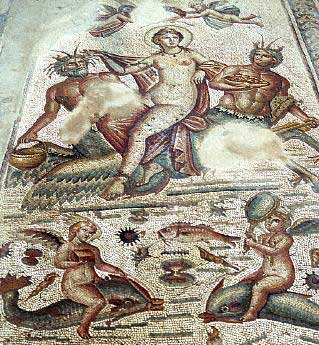
A mosaic depicting holy figures stand in the ruins of the House of Aphrodite in Bulla Regia, Tunisia.
With da-da:
http://www.beazley.ox.ac.uk/CGPrograms/Cast/ASP/Cast.asp?CastNo=C132.html:
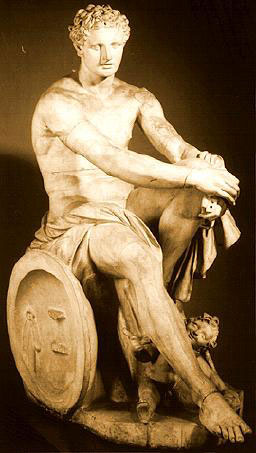
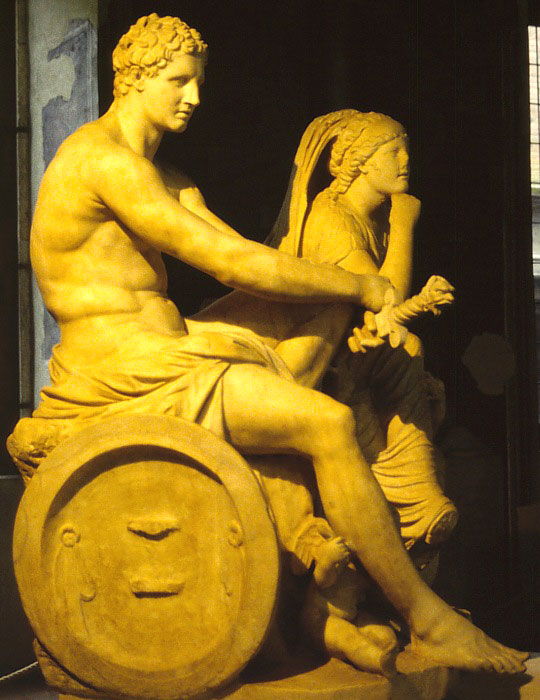
Ares, sitting on a rock, with left foot resting on a helmet. He clasps his left knee and holds a sword. Eros plays at his feet. … is a version of a Greek original of about 320 BC.
http://www.geocities.com/athens/parthenon/6670/doc/glry.html, Cheiron Hellenic Pagan site:
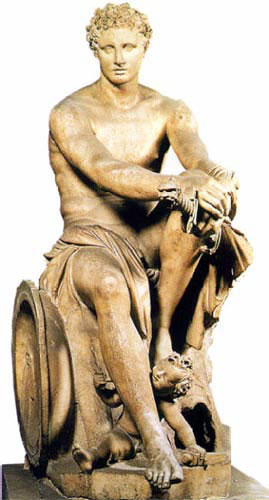
Ares with Eros 4th.BC
http://www.beazley.ox.ac.uk/CGPrograms/Dict/ASP/OpenDictionaryBody.asp?name=Ares, Ares (Roman Mars), Eros:
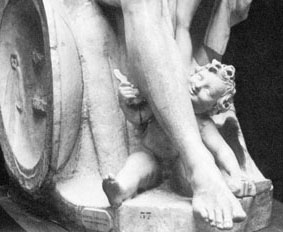
http://www.pianeta-marte.it/marte_dio_e_pianeta/dio2.jpg:
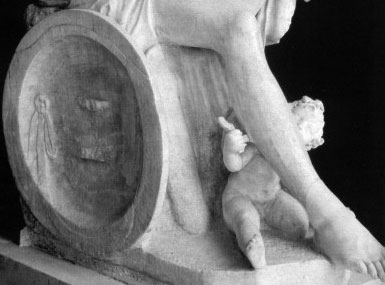
http://www2.siba.fi/~kkoskim/rooma/pages/222_004B.HTM Museo Nazionale - Palazzo Altemps. Ares. Roman copy of the hellenistic original.:
http://www.vroma.org/images/mcmanus_images/mars_rhea_patera2.jpg (via http://www.vroma.org/images/mcmanus_images/index6.html):
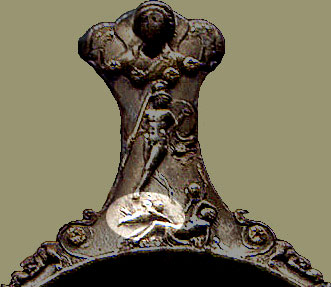
detail of handle--Mars and cupids descend to Rhea Silvia, Roman, second century CE, London, British Museum.
With ma-ma & da-da:
http://homepage.mac.com/cparada/GML/000Free/000Ares/source/7.html, Ares Album 7/9 (before 79 AD):
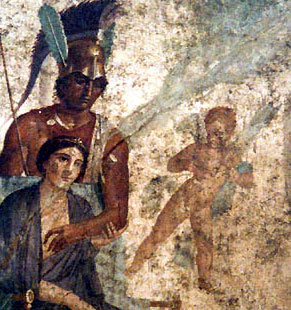
7120: Mars and Venus. Pompei, casa dell'Amore punito.
http://web.uvic.ca/grs/bowman/myth/images/haifa/h52.jpg (via http://web.uvic.ca/grs/bowman/myth/gods/aphrodite_i.html) (Univ. of Victoria), Aphrodite:
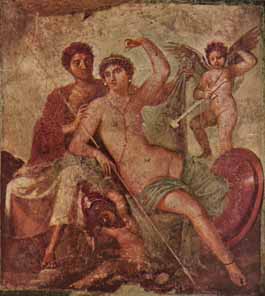
Ares and Aphrodite (and, of course, Eros) … Roman Wall painting, 1st century AD.
With Dionysus / Bacchus:
http://www.ac-nancy-metz.fr/enseign/lettres/LanguesAnciennes/Ariane/fichiers/ar_dio_fabius.htm
(via
http://www.ac-nancy-metz.fr/enseign/lettres/LanguesAnciennes/Ariane/fichiers/ariane_dionysos.htm),
Images d'Ariane et Dionysos
dans l'antiquité:
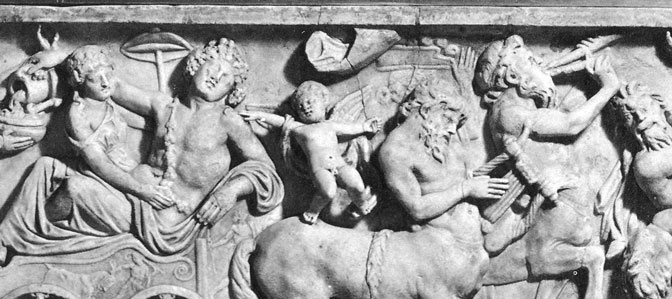
Rome,
Villa Montalto : Sarcophage
Le cortège
triomphal de Dionysos et Ariane
marbre
41 x 214 cm.
IIe s. après J.-C.
Londres, British Museum inv. 2298
http://online-media.uni-marburg.de/kunstgeschichte/sds/secure/marburg/31-antike-mythologie/31_04_ekstase/bilder/FMLAC10681_26.jpg
(via http://www.ac-nancy-metz.fr/enseign/lettres/LanguesAnciennes/Ariane/fichiers/ariane_dionysos.htm), Images d'Ariane et Dionysos
dans l'antiquité:
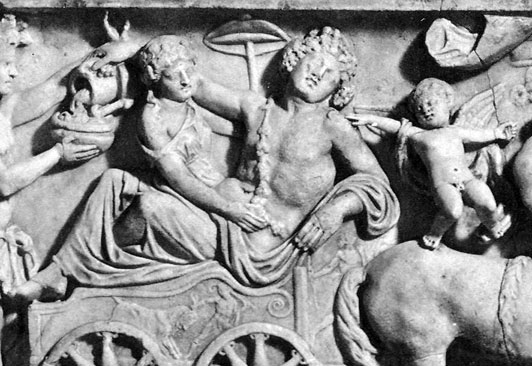
Rome, Villa Montalto : Sarcophage Le cortège triomphal de Dionysos et Ariane
http://pro.corbis.com/, Search # RW006888, Detail of a Dyonisiac Pilaster of the Severan Basilica of Leptis Magna, Libya, 210-216 A.D. (non-Christian):
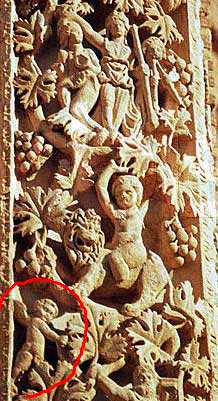
http://pro.corbis.com/, Search # RW006887, Detail of a Dyonisiac Pilaster of the Severan Basilica of Leptis Magna, Libya , 210-216 A.D., (non-Christian):
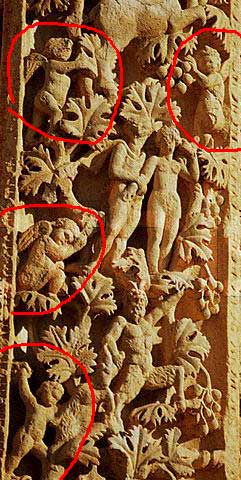
http://pro.corbis.com/, Search # VU002543, Sculptured Column at Severan Basilica, non-Christian:
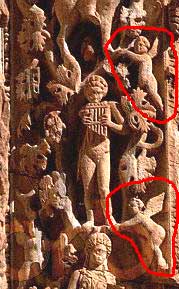
http://www.vroma.org/images/mcmanus_images/schoolflogging.jpg (via http://www.vroma.org/images/mcmanus_images/index8.html), “scene depicting flogging in a schoolroom; Roman, first century CE, probably from Asia Minor”:
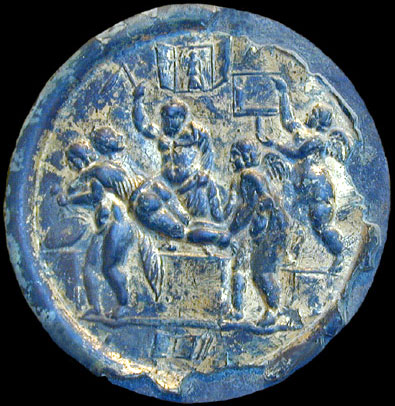
This gilt bronze mirror cover draws on Dionysiac symbolism to give allegorical dimensions to this familiar childhood scene. A Maenad and Cupid hold a schoolboy over a table, below which lie an open wax tablet and stylus. A Silenus flogs the boy while another Cupid keeps score on a slate. In a niche on the wall stands a small statue of Minerva, patroness of learning.
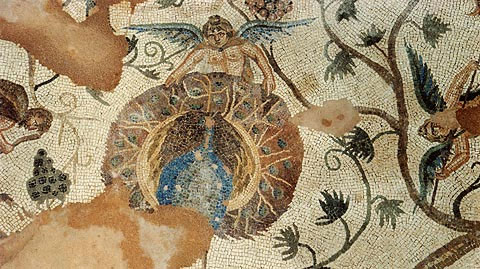
http://www.mcah.columbia.edu/dbcourses/vrc/medium/AH_0304_237_09.jpg (via http://www.mcah.columbia.edu/cgi-bin/dbcourses/search?simplesearch=eros), Nea Paphos; House of Dionysos, room 5; Mosaic w/ Triumph of Dionysos & vine carpet; Detail of vine carpet, Eros & peacock; Roman; L2ndC.; Mosaic:
http://cti.itc.virginia.edu/~jjd5t/ant-pics/14/pages/th-ner4.htm, Images of Antioch Mosaics - House of the Triumph of Dionyso / th-ner4:
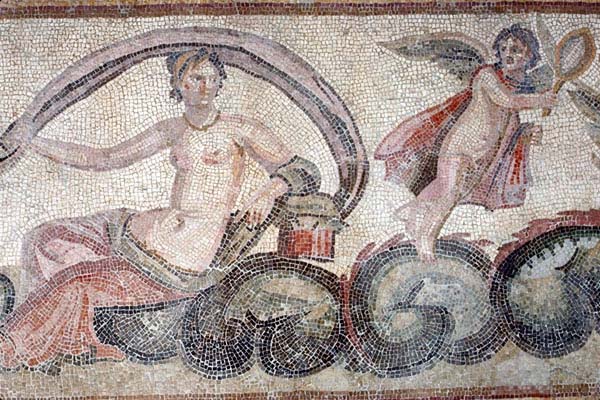
Ancient Mosaics, Ling, 1998, p. 125, “Context and Meaning”:
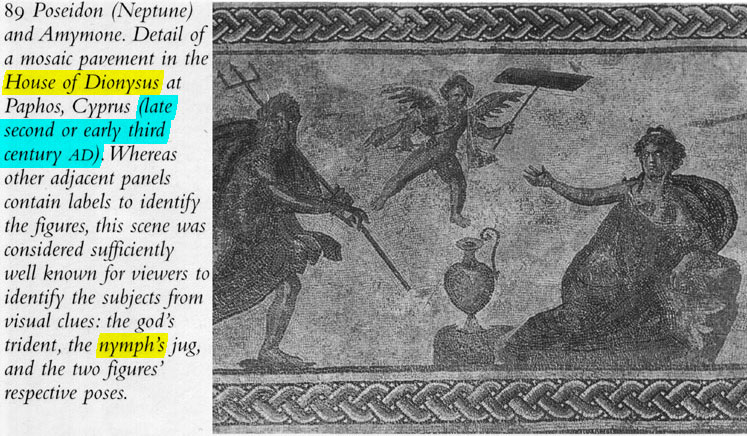
Mosaics of the Greek and Roman World, Dunbabin, 1999, p. 215, figure 226, “Greece: the Imperial period | Thessalonica, mosaic of Dionysus and Ariadne”:
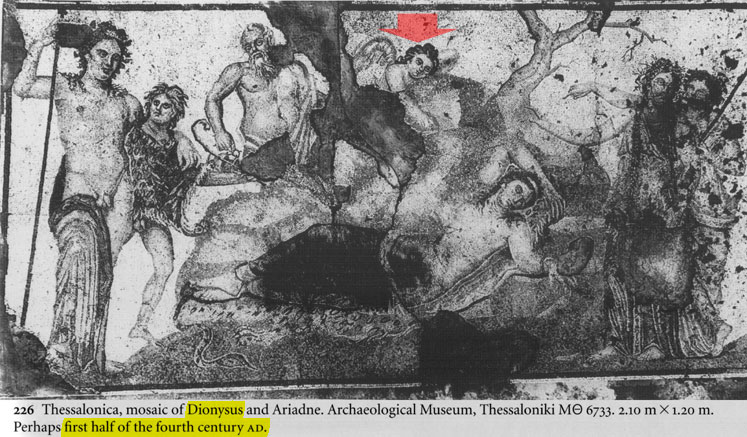
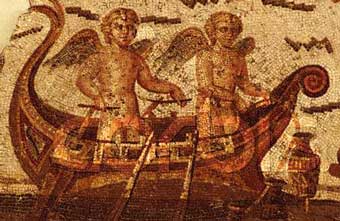
http://pro.corbis.com/, Search # VN002960, Dionysus Changing Pirates Into Dolphins [detail] (detail of Erotics part), 4th century A. D.:
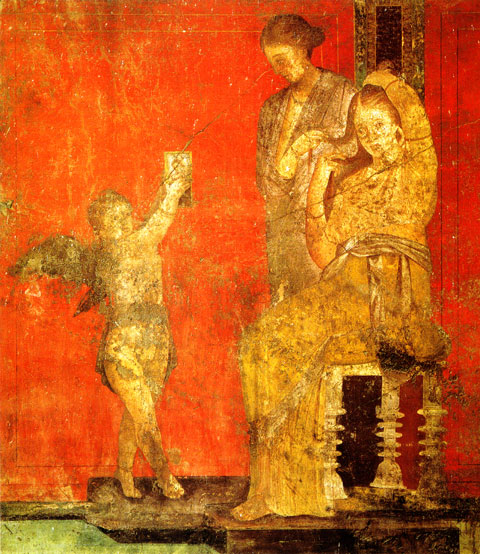
Pompeii -- Dionysian:
Eros: The God of Love in Legend and Art, Irene Korn, 1999, p. 117, “Scene from Dionysiac Mystery Cult | before first century | Villa of the Mysteries, Pompeii”:
http://www.vroma.org/images/mcmanus_images/paula_chabot/clc/pcclc.17.jpg (via http://www.vroma.org/images/mcmanus_images/paula_chabot/):
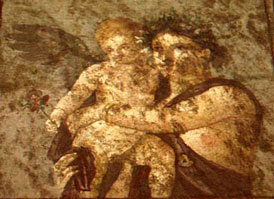
wall painting of Bacchante w. Cupid, House of Caecilius (Pompeii)
http://www.ac-nancy-metz.fr/enseign/lettres/LanguesAnciennes/Ariane/fichiers/ar_dio_fabius.htm, Villa de Fabius Rufus - Pompéi:
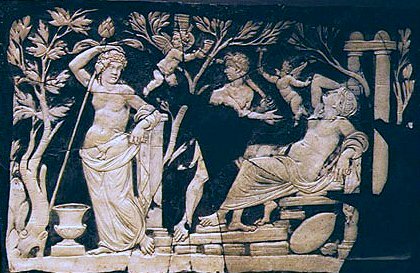
La rencontre d'Ariane et de Dionysos, Pompéi - Maison de Fabius Rufus, Musée national archéologique - Naples
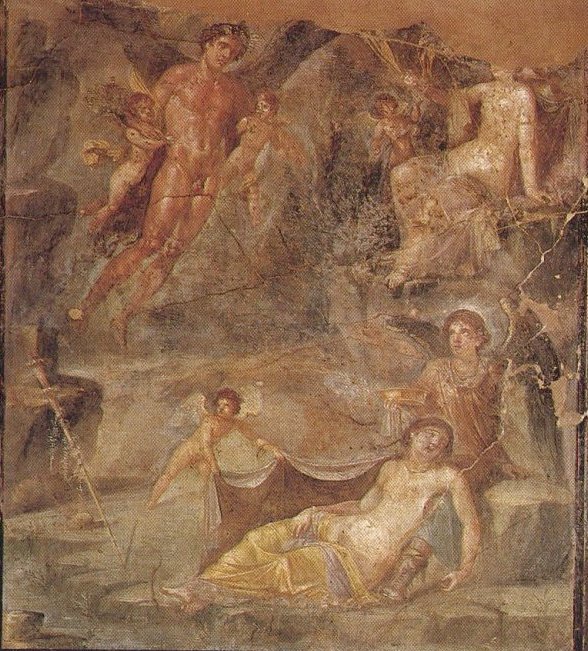
http://www.ac-nancy-metz.fr/enseign/lettres/LanguesAnciennes/Ariane/fichiers/ar_dio_zephyre.htm, Fresques de Pompéi : Théophanie de Dionysos Ménade endormie:
http://www.ac-nancy-metz.fr/enseign/lettres/LanguesAnciennes/Ariane/fichiers/ar_dio_pompei.htm, Fresques de Pompéi - Herculanum - Stabies : Ariane et Dionysos:
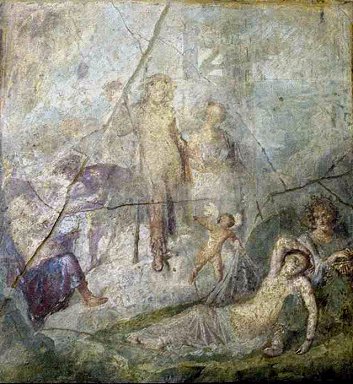
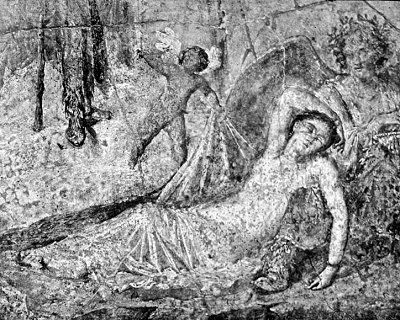
Pompéi,
VII, 4, 51 (Maison d'Ariane, Maison des Chapiteaux colorés)
Ariane
découverte par Dionysos
Naples, Museo Nazionale.
Pompeii – Miscellaneous:
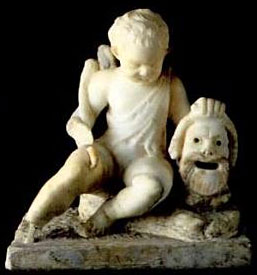
http://books.google.com/books?id=ciNtH6c9RDQC&pg=PA269&lpg=PA269&dq=%22cupid+and+a+comic+mask&source=web&ots=RYsjVzxCGa&sig=_d4RLVjKl6N7aHtZTwLjPp335K0&hl=en&sa=X&oi=book_result&resnum=1&ct=result#PPA267,M1, Rediscovering Pompeii –Google Books Result, by Baldassare Conticello, p. 267 “189. Fountain with Cupid and a comic Mask” (1st century AD):
Eros in Pompeii: The Secret Rooms of the National Museum of Naples, Grant, 1975, pp. 64-65:

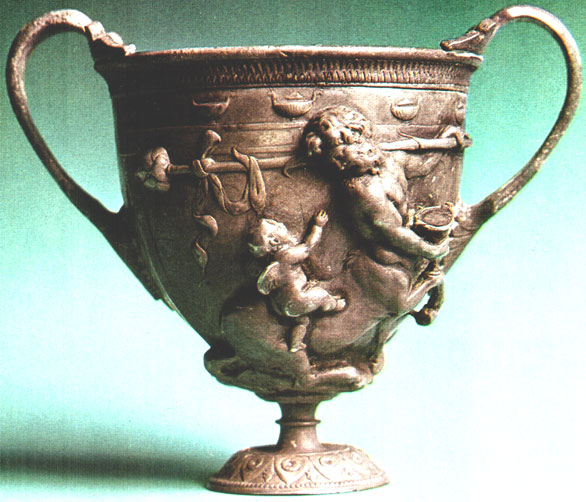
http://timothyadams_1.tripod.com/campagnia/pompeii/pompeii2000.htm, Pompeii:
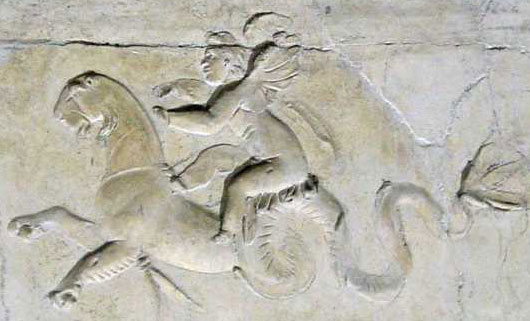
One of the rooms at the Suburban Baths.
http://pro.corbis.com/, Search # RW006150, Wall Painting at Herculaneum, before 79 A.D. (Pompeii):
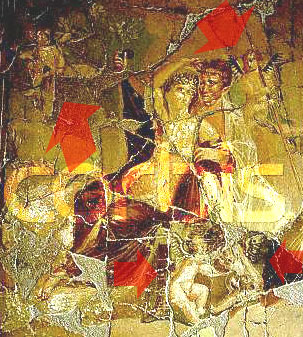
A wall painting in a house at Herculaneum depicts a woman, probably a goddess, and a man sit, surrounded by putti. The city of Herculaneum was destroyed by the eruption of Mount Vesuvius in 79 A.D., and the ash and lava preserved much of the city in the archaeological record.
http://www.androphile.org/preview/Museum/Rome/Narcissus2.htm, Pompeiian fresco of Narcissus:
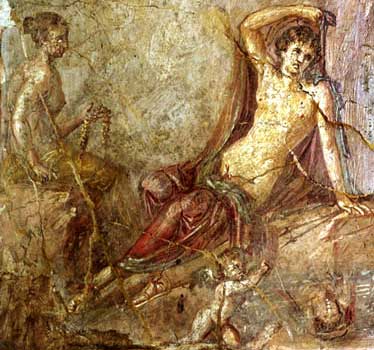
Narcissus, Echo and Eros. Fresco from Pompeii, first century C.E. Archeological Museum, Naples.
http://web.uvic.ca/grs/bowman/myth/images/haifa/h107.jpg (via http://web.uvic.ca/grs/bowman/myth/gods/aphrodite_i.html) (Univ. of Victoria), Aphrodite:
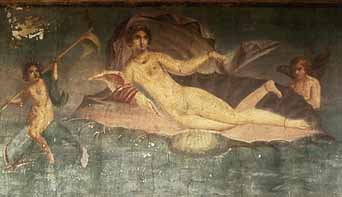
Pompeiian wall painting: Casa dei Venus, 1st century AD.
http://www.araldodeluca.com/root/campagne/scheda.asp?id=43, POMPEI, LA VITA IN VIA DELL'ABBONDANZA:
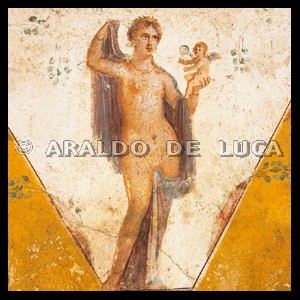
http://www.araldodeluca.com/root/archivio/scheda.asp?id=60115 (via http://www.araldodeluca.com/root/archivio/archivio.asp?passaggio=ricerca&ricerca=semplice&parola=triclinio%20casti%20amanti), CASA DEI CASTI AMANTI. TRICLINIO. AFFRESCO CON CUPIDO (translated from Italian: HOUSE OF THE CHASTE LOVERS. TRICLINIUM. FRESCO WITH CUPID) (Pompei, Campania, Italia):
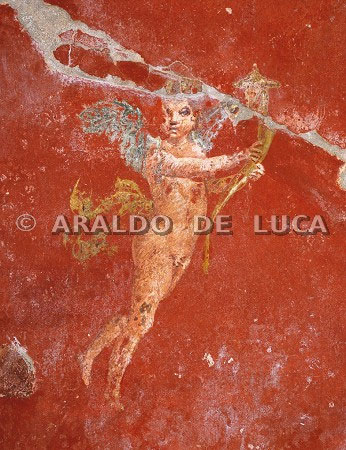
http://homepage.mac.com/cparada/GML/000Free/000Eros/source/20.html, The punishment of Eros. Pompei, casa dell'Amore punito.:
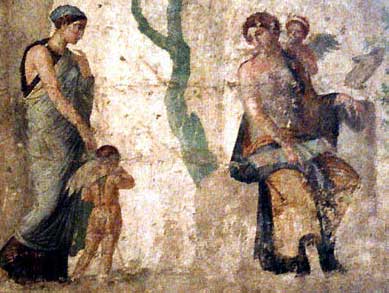
http://timothyadams_1.tripod.com/campagnia/pompeii/pompeii2000.htm, Pompeii:
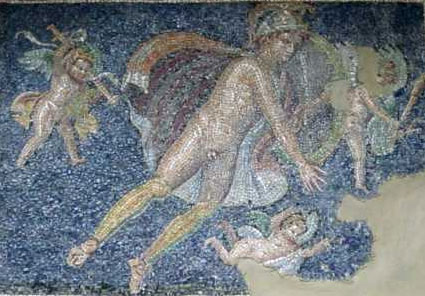
Mosaic in the Suburban Baths.
http://www.vroma.org/images/mcmanus_images/paula_chabot/house/pchouse.43.jpg (via http://www.vroma.org/images/mcmanus_images/paula_chabot/):
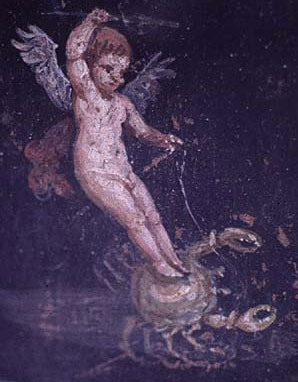
wall painting—Cupid riding crab (House of the Vettii), Pompeii
The Social History of Art, Hauser, 1952, Vol. 1, illustration 31, plate XI.2:
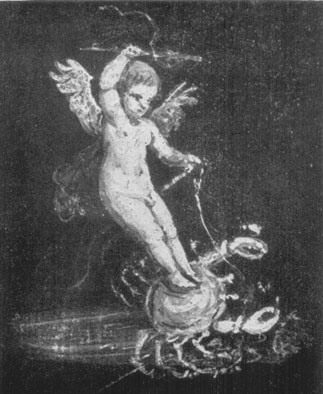

http://home.swipnet.se/~w-41909/dolphins.html, Pictures from Pompeii and Herculaneum:
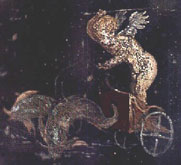
Cupid in a bigae pulled by two dolphins. House of the Vettii, atrium tusc. Pompeii.
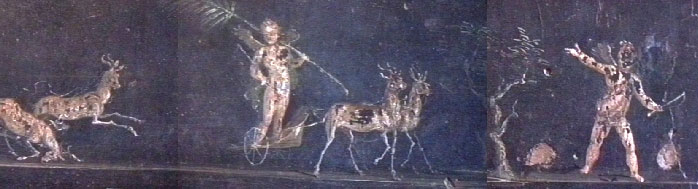
Eros: The God of Love in Legend and Art, Irene Korn, 1999, p. 41, “Cupid on a Chariot | Pompeii”:

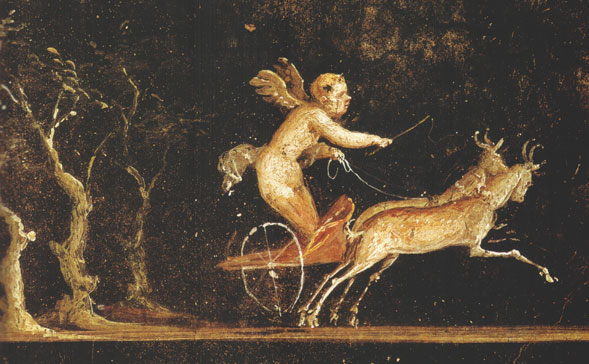
http://pompeya.desdeinter.net/cvetti11.html, Casa dei Vettii: Triclinium - Oecus (Salone dei Amorini) (Pompeii):
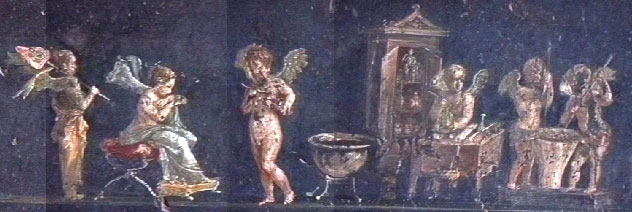
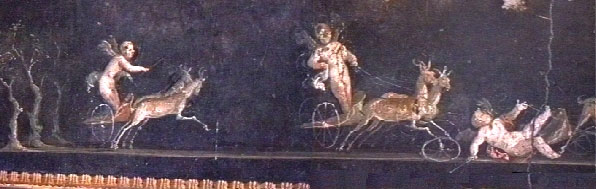 …
…
…
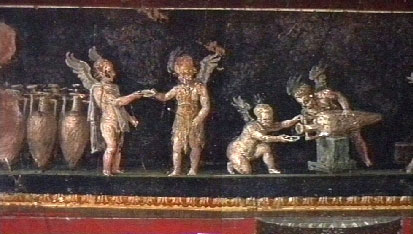
http://www.ktb.net/~bewier/Pompeii-wp.html, POMPEII!:
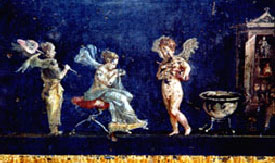
The main triclinium of the house of Vetti
Cupids preparing & selling perfumed
oils
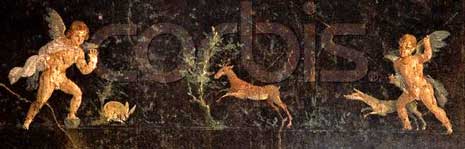
http://pro.corbis.com/, Search # MI001603, Ancient Roman Fresco Painting of Cupids Hunting, before 79 A.D.:
http://pro.corbis.com/, Search # MI001324, Ancient Roman Fresco of Cupid Between Two Armed Youths, before 79 A.D., Located in: Museo Archeologico Nazionale:
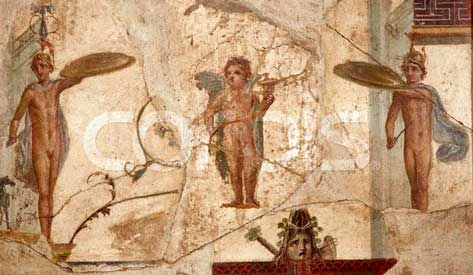
http://carlos.emory.edu/ODYSSEY/ROME/RomeCredits/paintingCredits.html, Odyssey / Rome:
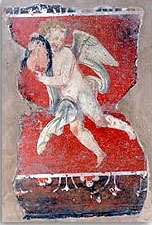
Roman, Pompeii. Ca. A.D. 63-79. "Cupid Holding a Mask" Fresco, 8 x 5 1/4 inches
http://www.jhauser.us/pictures/history/Romans/Pompeii/HouseOfTheVenusMarina.html, Pictures of History – Pompeii: House of the Venus Marina:
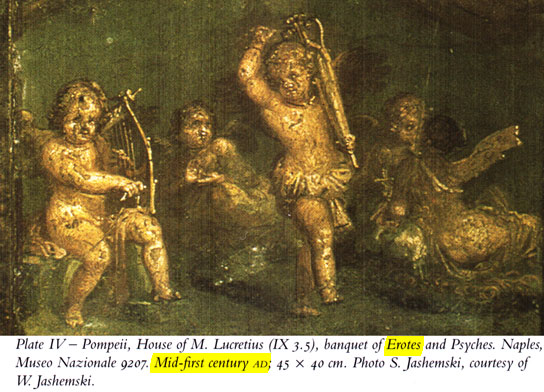
The Roman Banquet: Images of conviviality, Dunbabin, 2003, Plate IV:
http://www.vroma.org/~bmcmanus/atrium2.html, The Atrium:
photographs of the atrium in the House of the Tragic Poet in Pompeii … this image of Cupids playing hide and seek:
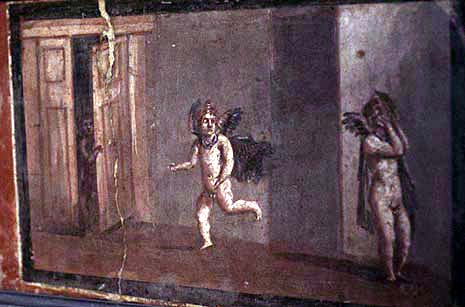
Maybe Pompeii:
http://www.posterscafe.com/product1739042.html, Woman Selling Cupids, from Stabiae (da Stabia), 1st Century BC-79 AD Posters:
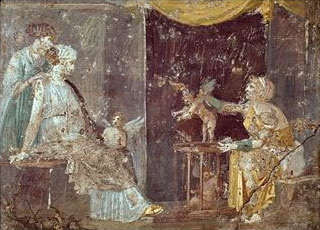
http://www.vroma.org/images/mcmanus_images/cupids_perfume2.jpg (via http://www.vroma.org/images/mcmanus_images/index10.html), “detail: Cupid and Psyche; Roman, 50-75 CE”:
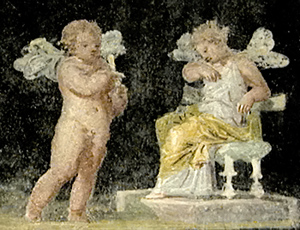
http://rubens.anu.edu.au/htdocs/surveys/charlotte/0318/031801.JPG (via http://rubens.anu.edu.au/htdocs/surveys/charlotte/bycountry/display00444.html), Campania: the 'Eros' room: Winged Goddess crowning Eros, Roman Painting, 1 (3rd quarter):
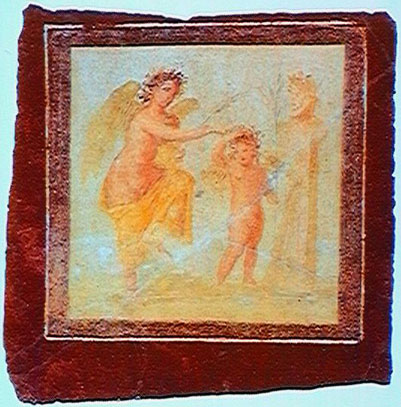
http://www.utexas.edu/courses/romanciv/Romancivimages21/3rdstylecupid.jpg (via http://www.utexas.edu/courses/romanciv/30222housesimages.htm), Introduction to Ancient Rome, “Roman Third Style wall painting: a Cupid stands against an architectonic background”:
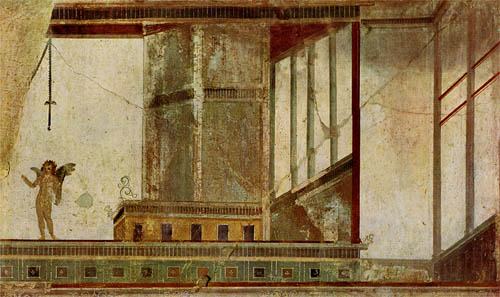
With Augustus:
http://employees.oneonta.edu/farberas/arth/arth109/arth109_sl16.html, Late Antique and Early Christian Art:
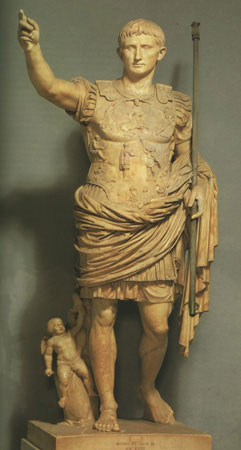
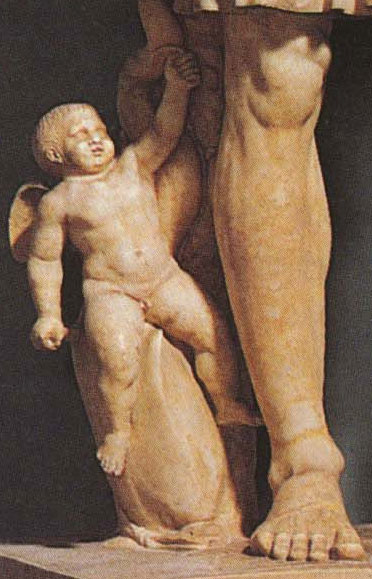
Augustus of Primaporta, c. 20 B.C. or c. 14 A.D. (Principate)- cuirass statue
http://www.collegetermpapers.com/TermPapers/History_Other/Augustus.shtml, CollegeTermPapers.com, “Augustus”:
A sculpture called the Augustus from Prima Porta was created and it depicted Augustus with cupid. This was created to associate Augustus with the gods.
http://www.personal.kent.edu/~bkharvey/roman/emperors/impaugus.htm, Roman Emperors, Augustus 27 BC – 14 AD:
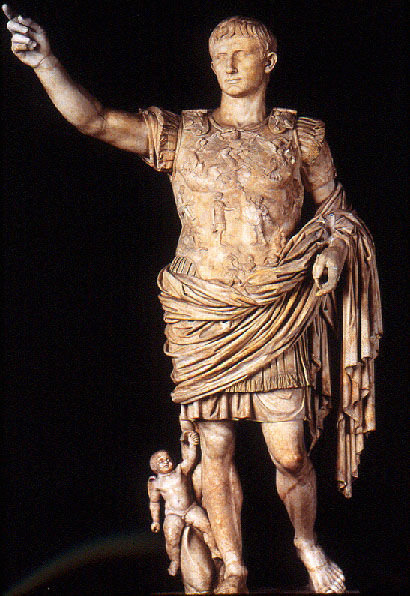
http://college.hmco.com/history/west/mosaic/chapter3/image97.html, Augustus, 63 B.C.-A.D., From "Augustus of Primaporta." Marble statue. History of Art. 20 B.C. Vatican Museums:
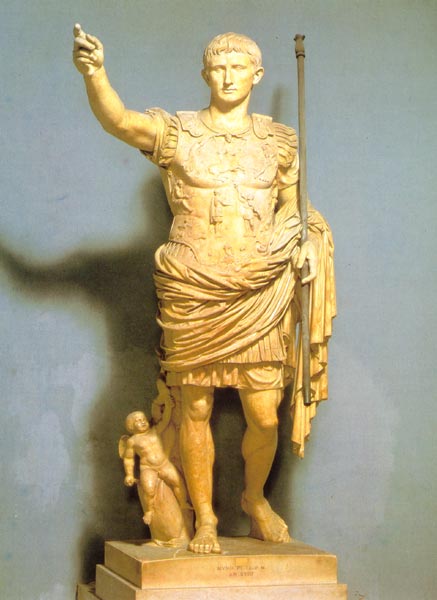
http://www.mbradtke.de/augustus.jpg:
Miscellaneous:
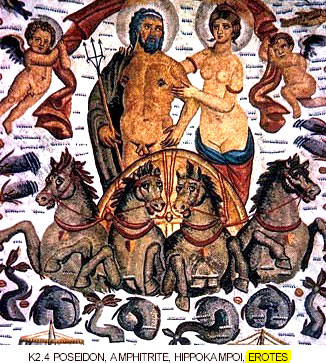
http://www.theoi.com/image/K2.4Poseidon.jpg (via http://www.theoi.com/Ouranios/Erotes.html), Erotes:
K2.4 "The Chariot of Neptune," Roman Mosaic, Constantine (Algeria) C4th AD, Paris, Musée du Louvre Ma1880 :
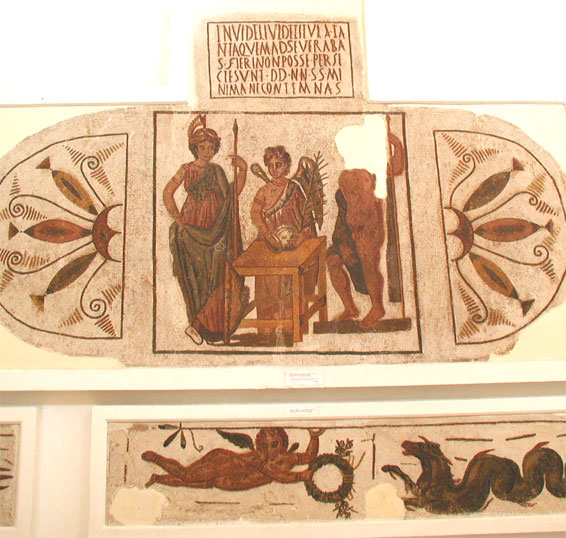
http://www.stoa.org/gallery/album21/Athena_Nike_Poseidon_P4140077, Sousse Museum, “Athena, Nike & Poseidon mosaic or if you prefer, Minerva, Victory & Neptune ! Cupid and Hippocampus in Mosaic below”:
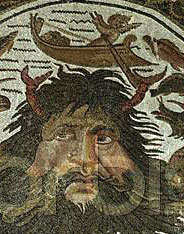
http://pro.corbis.com/, Search # VN002946, Oceanus (detail with Eros), ca. 2nd century A.D.:
http://www.doaks.org/ByzImages/LREB2.html, Mosaic Pavement of Fishing Erotes (detail):
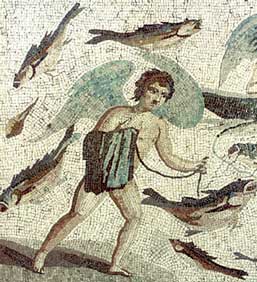
Roman, Syria, Daphne-Harbie (Antioch), 2nd-3rd century
http://pro.corbis.com/, Search # RW004202, Roman Mosaic Depicting Putti Pulling the Leash of an Hippopotamus Carrying a River God, ca. 1st-3rd century A.D.:
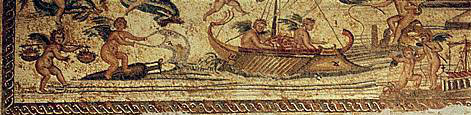
http://cti.itc.virginia.edu/~jjd5t/ant-pics/17/pages/1981-i-22.htm, Images of Antioch Mosaics - Museums / 1981-i-22:
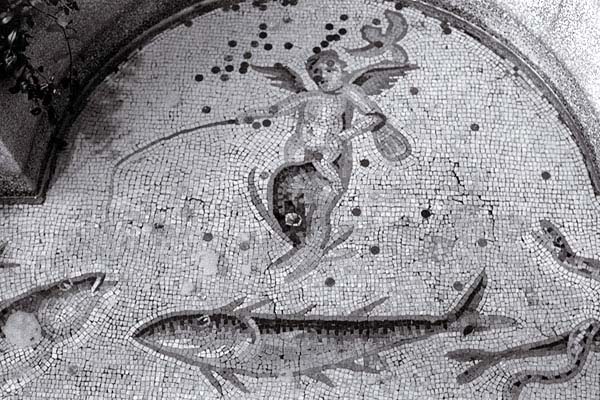
http://www.unf.edu/classes/freshmancore/coreabroad/pictures/Mamshit/mamshit-eros-kissing-NK1.jpg (via http://www.unf.edu/classes/freshmancore/coreabroad/pictures/Mamshit/),
Index of /classes/freshmancore/coreabroad/pictures/Mamshit, “mamshit-eros-kissing” (not Pompeii, Bible lands):
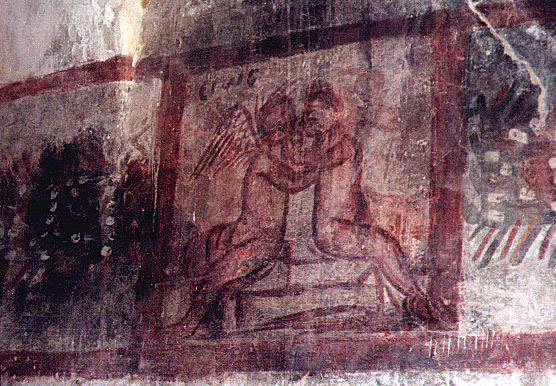
http://www.unf.edu/classes/freshmancore/coreabroad/pictures/Mamshit/mamshit-eroticpainting1-JW.jpg (via http://www.unf.edu/classes/freshmancore/coreabroad/pictures/Mamshit/),
Index of /classes/freshmancore/coreabroad/pictures/Mamshit, “mamshit-eroticpainting1”:
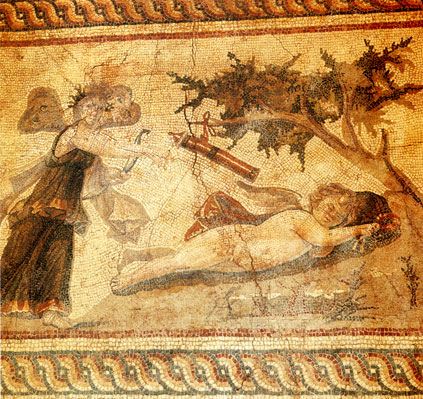
Eros: The God of Love in Legend and Art, Irene Korn, 1999, p. 45, “Eros and Psyche | Daphne”:

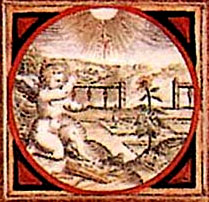
http://www.allposters.com/gallery.asp?aid=691640&item=256384, Cherub with a Sunflower (Eros in Kansas):
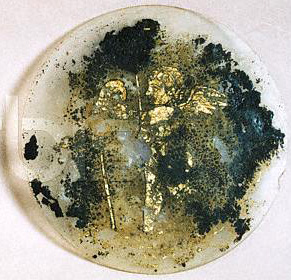
http://pro.corbis.com/, Search # BE087496, 2nd or 3rd-Century Roman Mirror from Cyprus or Syria, “Cupid”:
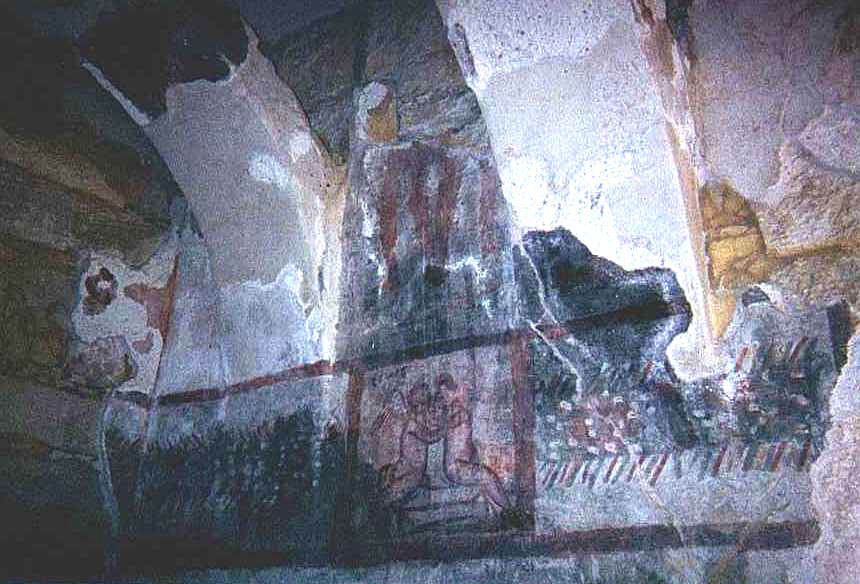
Early Medieval Art, Kitzinger, 1983, plate I:
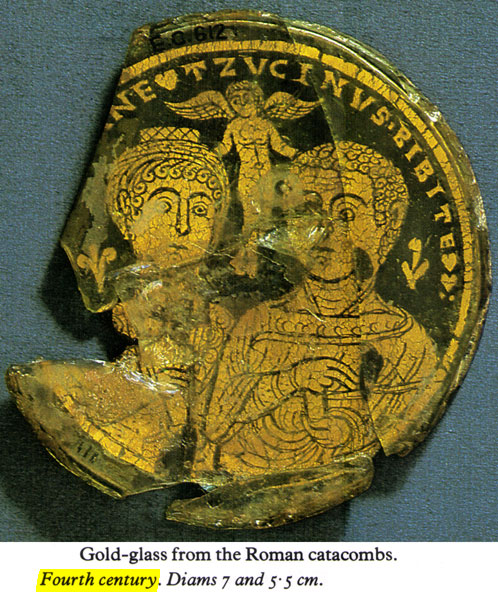
Early Medieval Art, Kitzinger, 1983, p. 34, figure 9, “The Late Antique and Early Christian Period”:
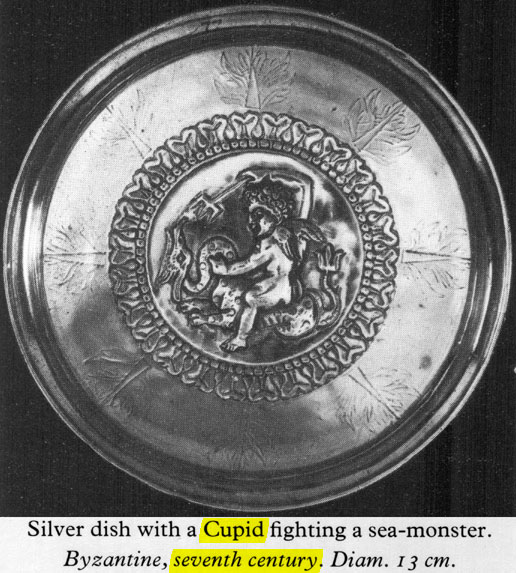
The Roman Banquet: Images of conviviality, Dunbabin, 2003, p. 116, figure 64 (pagan):
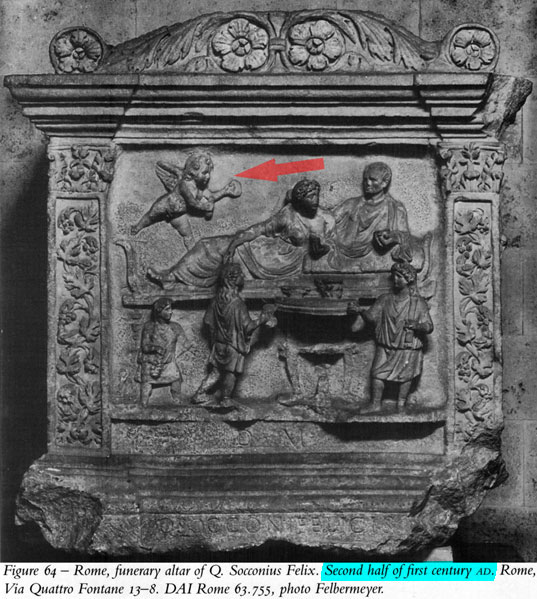
The Roman Banquet: Images of conviviality, Dunbabin, 2003, p. 115:

The Roman Banquet: Images of conviviality, Dunbabin, 2003, p. 117, figure 65 (pagan):
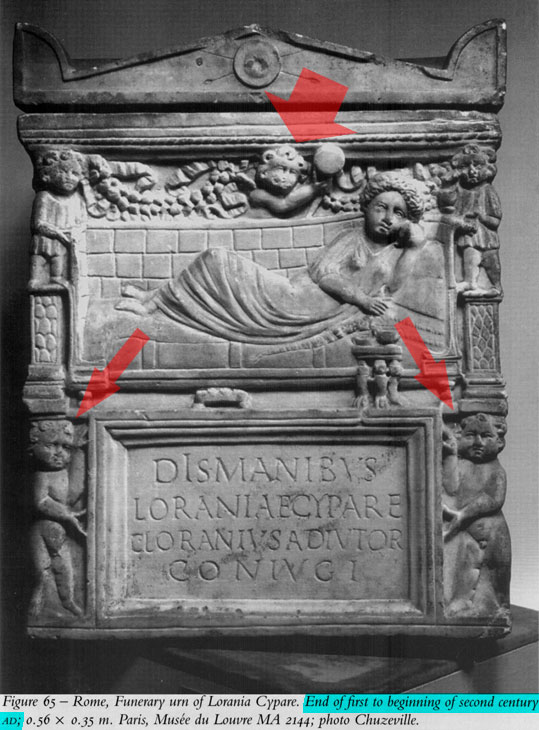
The Roman Banquet: Images of conviviality, Dunbabin, 2003, pp. 115-116:
http://www.metmuseum.org/toah/ho/05/wae/hob_47.100.33.htm, The Eastern Mediterranean, 1–500 A.D.:
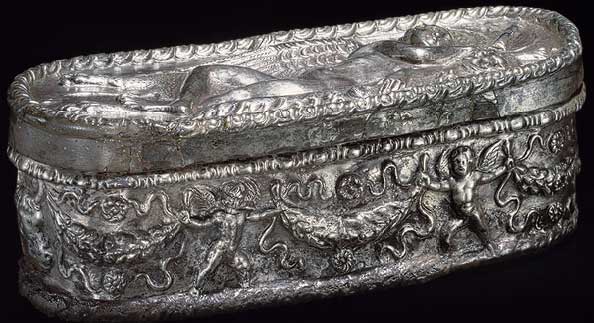
Box with Sleeping Eros, 300s, Roman or Byzantine; Said to have been found in Tartus, Syria
http://www.vroma.org/images/mcmanus_images/paula_chabot/theater/pctheater.38.jpg (via http://www.vroma.org/images/mcmanus_images/paula_chabot/), “cupid putting hand through mouth of large mask; 1972; Isola Sacra”:
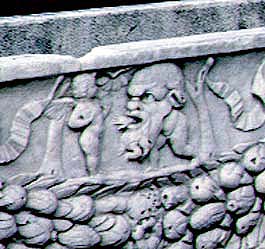
http://www.metmuseum.org/Works_of_Art/viewOneZoom.asp?dep=13&viewmode=0&item=1994%2E43%2E1%2C+%2E2&zoomFlag=1 (The Metropolitan Museum of Art, New York, NY), Works of Art, Greek and Roman Art:
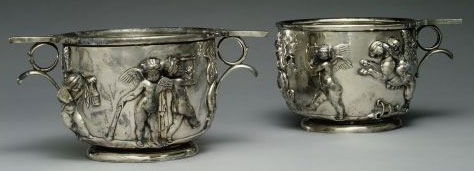
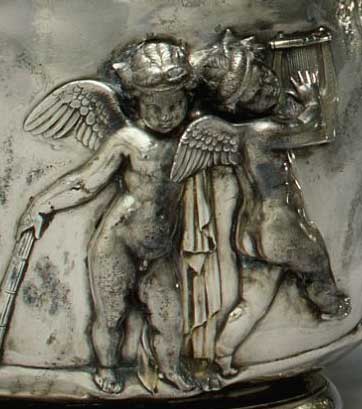
Pair of skyphoi (cups) with Erotes, 1st century B.C. – 1st century A.D.
http://www.hermitagemuseum.org/html_En/08/hm88_0_0_14_0.html, Eros Riding a Dolphin, Fountain Statue, 1st century:
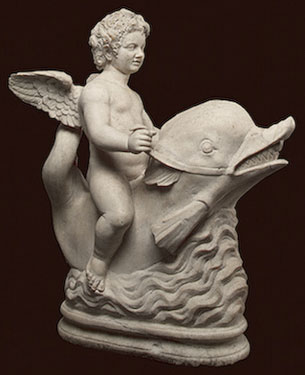
http://www.metmuseum.org/toah/ho/04/eusb/ho_43.11.4.htm:
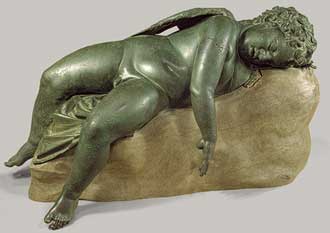
Statue of Eros sleeping, 3rd–2nd century B.C.; Hellenistic, Greek
http://www.gwctc.commnet.edu/artdept/arthis01/ah03.html, Ancient-Classical, “Greek-Hellenistic, Sleeping Eros,c.150-100 B.C., Louvre, Paris”:
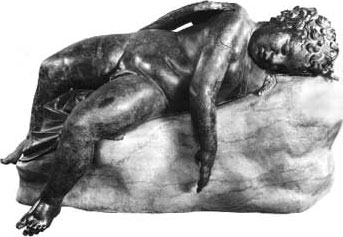
http://kypros.org/Sxetikos/Photo-Collections/Cyprus/page-20.htm:
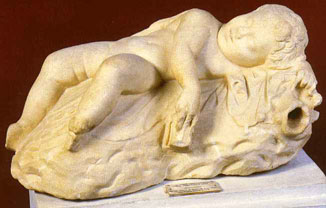
Marble statue of sleeping Eros (1st. century A.D.)
http://pro.corbis.com/, Search # CS001608, Cupid Sleeping on the Weapons of Hercules, 1st century A.D.:
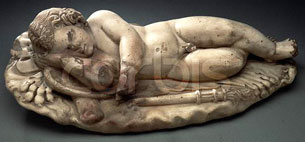
http://www.getty.edu/art/collections/objects/o8175.html, Statuette of a Sleeping Cupid, Roman, A.D. 50 - 100:
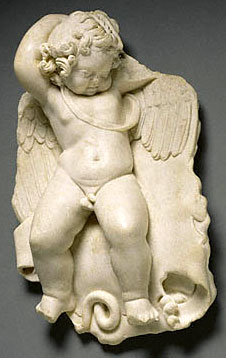
Eros, the winged child-god of love, lies sleeping on a lionskin. This image, derived from a Hellenistic Greek sculpture, was extremely popular with the Romans
http://www.scils.rutgers.edu/~mjoseph/CP/thessalonica.jpg (via http://www.scils.rutgers.edu/~mjoseph/CP/ICP.html), Images of Cupid and Psyche, “Pre-Apuleius Cupid and Psyche” (pre-2nd century):
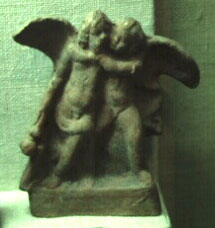
http://www.edgarlowen.com/a44ag.html, Ancient Greek and Related Art:
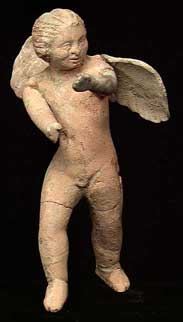
B2956. A CHOICE GREEK 'TANAGRA' FIGURE OF EROS, ca. 3rd-2nd century BC.
http://www.ancienttouch.com/greek_terracotta.htm, Greek Terracotta, “GREEK TERRACOTTA GROUP, II c. B.C.“:
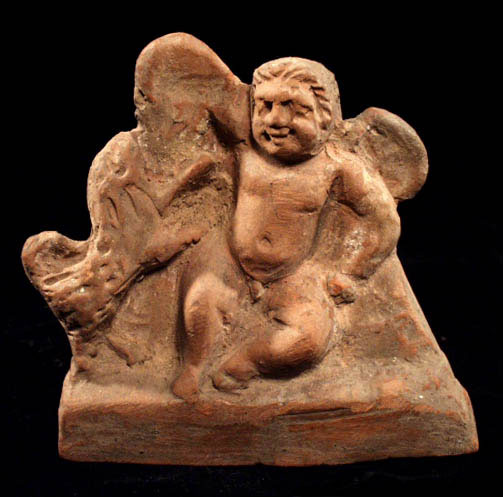
Molded figure of winged nude Eros playing with a dog. Seated with left arm resting on
thigh, hair striated with locks, face has defined detail with jovial
expression. Dog on hind legs with front paws on Eros'
hip. Fine detail of Eros' head, dog's
head and fur refined with steka. Remains of white pigment, large round vent on
back. Intact. H. 3.2" (8.1 cm).
$ 575
“GREEK TERRACOTTA FRAGMENT, II c. B.C.”:
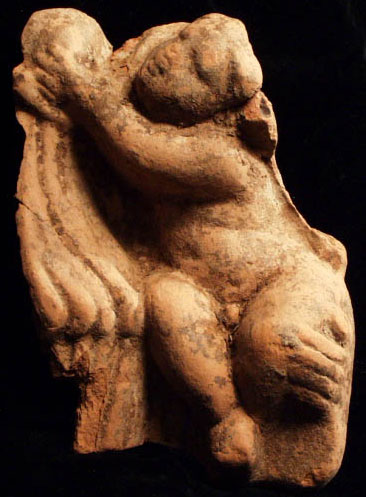
Fragment of a large terracotta group of Aphrodite and Eros.
Molded. Eros is shown as a nude chubby
child resting on Aphrodite's left arm
(her hand is on his left thigh), gazing up at her, his left arm outstretched
with hand on her breast. She wears a low girding chiton with overfold. H.
4.5" (11.4 cm).
$ 750
http://www.edgarlowen.com/a44ag.html Ancient Greek and Related Art:
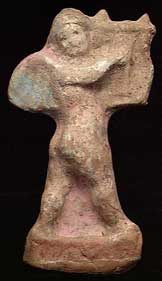
B2954. AN EROTIC GREEK FIGURE OF EROS, ca. 3rd–2nd century BC. The boy God of Love depicted naked playing a lyre.
http://www.library.csi.cuny.edu/siias/eros.html, EROS, Greek god of LOVE:
Terracotta Statuette: SIIAS L77.1.50:
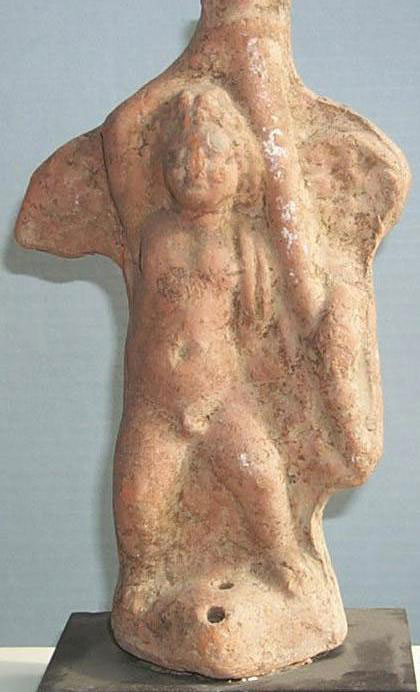
Greek terracotta statuette: SIIAS:
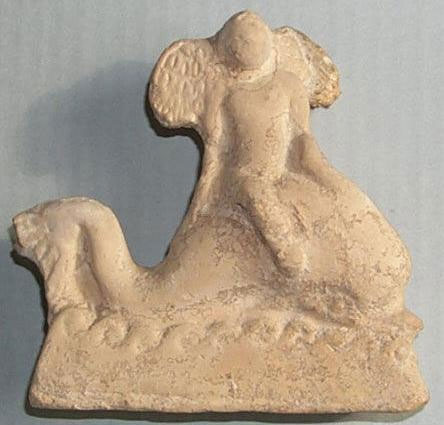
http://www.maltergalleries.com/fall2001/lot164.jpg (10-31-02) (via http://www.maltergalleries.com/archives/auction01/102801auctioncat.html):
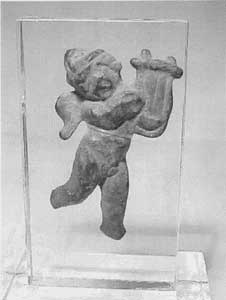
164. Roman Provincial, Judaea, c. 150 A. D. a small bronze with a winged Cupid in a "flying" pose while playing a three stringed lyre. H: 45 mm. Set on Lucite stand. A nice little patinated flying Eros.
It looks like Eros to me:
Art History, Stokstad, Revised Edition, 1999, Vol. 1, p. 19, figure 6; & http://www.uky.edu/~clwilla/reading/ArtIntroduction.PDF:
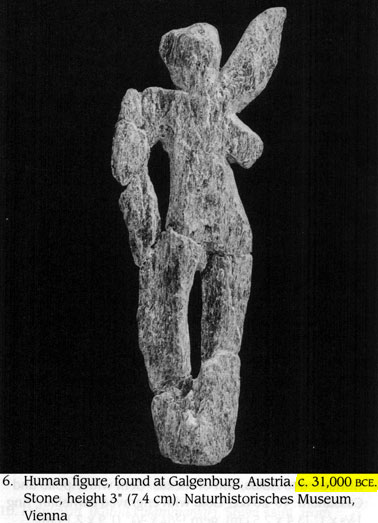
The likely transformation from older to younger:
The World Book Encyclopedia, 1998, vol. ?, p. 1193, “Cupid”:
http://www.worldbookonline.com/wb/Article?id=ar143780&st=Cupid (subscription required), Cupid:
The earliest images of Cupid show him as a handsome, athletic young man. By the mid-300's B.C., he was portrayed as a chubby, naked infant with wings, holding a bow and arrows.
http://www.lovatts.com.au/trivia/fillingthegaps/trivia_fig28_cupid.htm, Cupid:
The Greek equivalent EROS, meaning 'sexual desire' is similarly depicted as a winged baby, although he was originally imagined to be an athletic youth.
http://www.erotic-bdsm.net/Articles/Trivia_01.html, Sexual Trivia:
While we think of Cupid today as an innocent youth with bow and arrow, his original representation by the pedophiliac Greeks was that of a beautiful young boy whose naked form was considered to be the embodiment of sexual love.
http://www.johnny.moped.btinternet.co.uk/mythology/gods_goddesses/mythology_gods_... (10-30-02), Mythological gods and creatures of the night, “Eros”:
Originally, in Homer, simply an abstract force of ‘erotic desire’; but in Greek mythology, the son of Aphrodite and Ares. He is first depicted on vases as a handsome athlete, then as a boy with wings and arrows, and finally, in the Hellenistic period (approx. 323 BC to 27 BC and beyond), as a chubby baby.
http://www.encyclopedia.com/doc/1E1-Eros-god.html, From: The Columbia Encyclopedia, Sixth Edition | Date: 2007, “Eros”:
Eros , in Greek religion and mythology, god of love. He was the personification of love in all its manifestations, including physical passion at its strongest, tender, romantic love, and playful, sportive love. According to some legends he was one of the oldest of the gods, born from Chaos and personifying creative power and harmony. In most legends he was the son of Aphrodite and Ares and was represented as a winged youth armed with bow and arrows. In Greek poetry Eros was often a willful and unsympathetic god, carelessly dispensing the frenzies and agonies of love. At Thespiae and at Athens he was worshiped as a god of fertility. In Hellenistic and Roman myth, he was represented as a naked, winged child, the son and companion of Venus. To the Romans he was Cupid, or Amor.
http://www.beazley.ox.ac.uk/CGPrograms/Dict/ASP/OpenDictionaryBody.asp?name=Eros, Eros (Roman Cupid - Italian "putto"):
Child of Aphrodite, and her assistant in promoting love matches among gods and mortals. He is shown as a winged youth, becoming a baby after the 4th century BC … On his own he represents the power of sexual attraction. In later art the figure is often multiplied, and two erotes may be weighed against each other by a woman in a love ritual
My guess is, since Eros was first an adolescent male with wings; then because of the wings, changed into a smaller figure to size better with a bird (retaining adolescence); then from the smaller figure, he became an infant (or, pretty young).
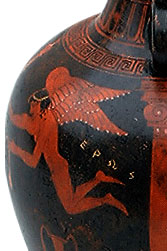
http://www.talariaenterprises.com/products_lg/4578.html, Aphrodite and Eros Attica Amphora Vase:
 …
…
This Attica Amphora is from 560 BC.
Same vase:
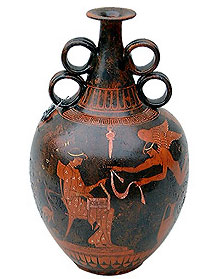
http://www.perseus.tufts.edu/cgi-bin/ptext?doc=Perseus:text:1999.04.0043&query=W%26uuml%3Brzburg%20L%20541 (Tufts University), “Perseus Vase Catalog”:
Procession of satyrs and maenads
Date: ca. 430 B.C. – 420 B.C.
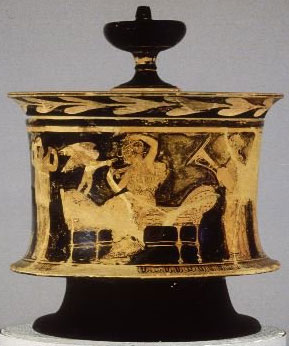
http://www.perseus.tufts.edu/cgi-bin/ptext?doc=Perseus:text:1999.04.0043&query=Harvard%201925.30.46 (Tufts University), “Harvard University Art Museums”:
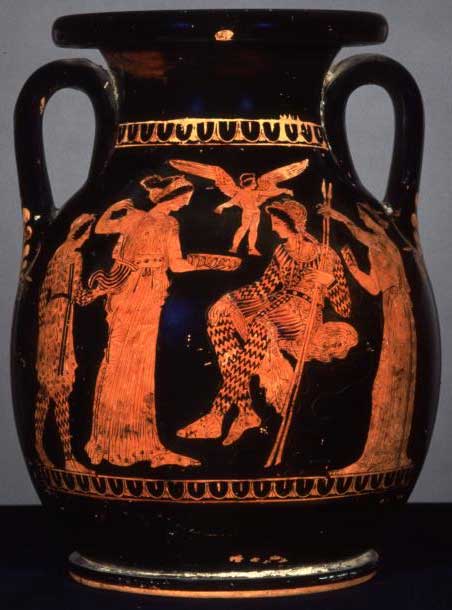
Summary: Side A: youth in oriental dress with two women, Eros, and servant. … Date: ca. 410 B.C. – 400 B.C.
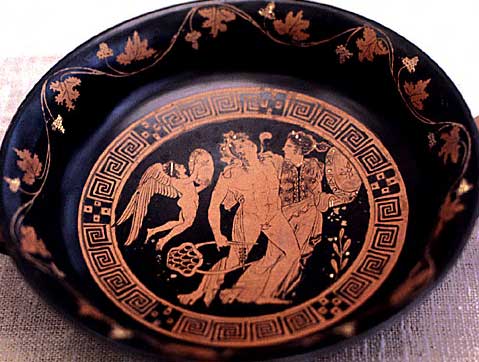
http://www.metmuseum.org/toah/hd/tita/ho_36.29.htm (via http://www.vroma.org/images/mcmanus_images/index4.html), Red-figure kylix of Dionysus with lyre, Ariadne, Eros; Greek, 400-390 BCE,
http://web.uvic.ca/grs/bowman/myth/images/haifa/h97.jpg (via http://web.uvic.ca/grs/bowman/myth/gods/aphrodite_i.html) (Univ. of Victoria), Aphrodite:
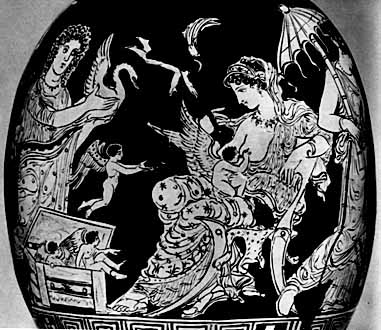
Aphrodite and Erotes … Apulian vase, ca 380 BC.
http://www.perseus.tufts.edu/cgi-bin/ptext?doc=Perseus:text:1999.04.0043&query=London%20E%20241 (Tufts University), “London, British Museum”:
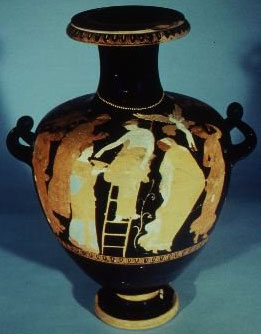
Summary: Body: Feast of Adonis, Eros and Pan, women gathering incense, dancing, and one woman playing flute. … Date: ca. 380 B.C.
http://www.beazley.ox.ac.uk/CGPrograms/Dict/image/erotostasia.jpg (via http://www.beazley.ox.ac.uk/CGPrograms/Dict/ASP/OpenDictionaryBody.asp?name=Eros), Eros (Roman Cupid – Italian “putto”):
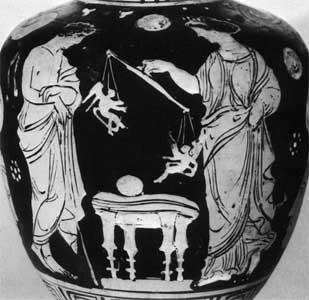
Child of Aphrodite, and her assistant in promoting love matches among gods and mortals. He is shown as a winged youth, becoming a baby after the 4th century BC, and his weapon is the bow, or sometimes a whip. … On his own he represents the power of sexual attraction. Detail from a South Italian red-figure clay vase, about 350 BC. London. British Museum F220 © British Museum.
http://www.perseus.tufts.edu/cgi-bin/ptext?doc=Perseus:text:1999.04.0043&query=Malibu%2087.AE.23 (Tufts University), “The J. Paul Getty Museum”:
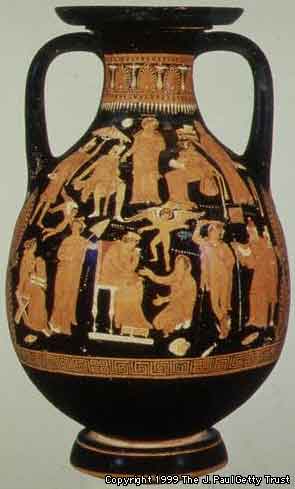
Date: ca. 340 B.C. – 330 B.C.
http://web.uvic.ca/grs/bowman/myth/images/haifa/h101.jpg (via http://web.uvic.ca/grs/bowman/myth/gods/aphrodite_i.html) (Univ. of Victoria), Aphrodite:
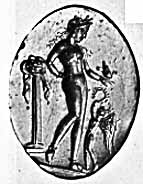
Aphrodite (with Eros and Dove) … Gold finger ring, 4th century BC.
http://www.athensinfoguide.com/gr/historymythologyolympians.htm (Athens Info Guide), Οι Δώδεκα Ολύμπιοι (The twelve Olympians), “Αφροδίτη” (“Aphrodite”):
http://www.mfk.u-szeged.hu/~koncz/docs/gorog/aphrodte_2.htm, ”Aphrodite ábrázolása görög vázaképen”:
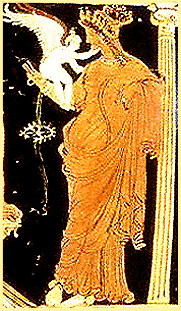
http://ccwf.cc.utexas.edu/~perlman/myth/images/Aphrdiaph.jpg:
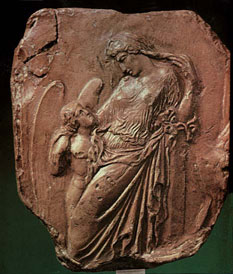
EROS – Older Looking:
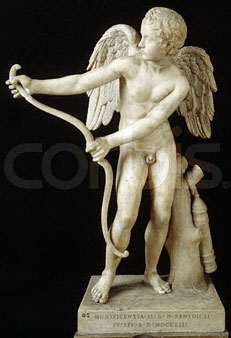
Naturally, since Eros is the god of sexual love, many found his portrayal better as an adolescent.
http://pro.corbis.com/, Search # DE002483, Roman Copy of the Greek Original Cupid as Archer by Lysippos, 370-310 B.C.:
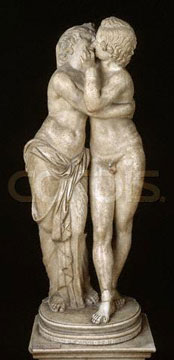
http://pro.corbis.com/, Search # DE002342, Ancient European Statue of Eros and Psyche:
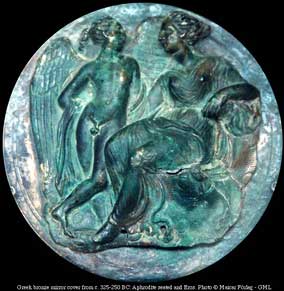
http://homepage.mac.com/cparada/GML/000Free/000VenusAmor/source/31.html, Bronze mirror cover: Aphrodite seated on a rock accompanied by Eros. Greek c. 325-250 BC:
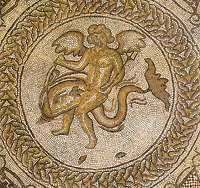
http://www.vroma.org/images/bonvallet_images/bonvall40.jpg (via http://www.vroma.org/images/bonvallet_images/index3.html), mosaic depicting Cupid on a dolphin, Roman, first century CE:
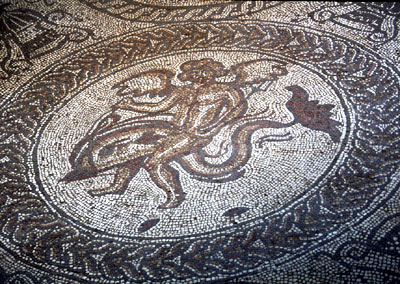
http://www.aboutbritain.com/FishbourneRomanPalace.htm, Fishbourne Roman Palace:
Erotic (with “eros” in URL):
http://www.personal.psu.edu/users/w/x/wxk116/eros/sexart/sex9.html (Pennsylvania State University) (6th century BC):
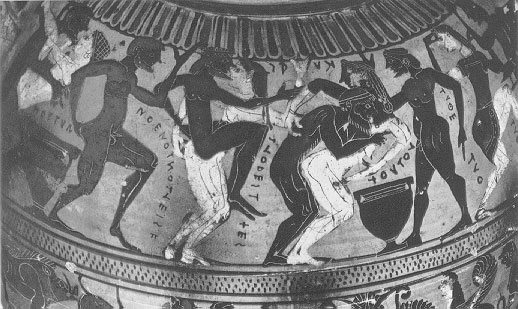
http://www.personal.psu.edu/users/w/x/wxk116/eros/sexart/sex39.html (Pennsylvania State University) (480 BC):
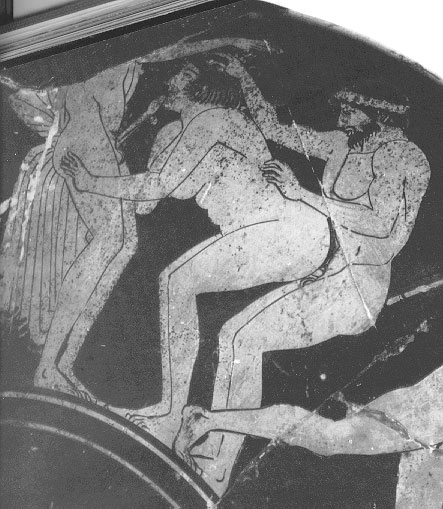
http://www.personal.psu.edu/users/w/x/wxk116/eros/sexart/sex40.html (Pennsylvania State University) (6th century BC):