EROS became an ANGEL in Christian art
Note how later Christian art even duplicated Eros’s nakedness:
The Paintings of the ‘New’ Catacomb of the Via Latina and the Struggle of Christianity against Paganism, Bargebuhr, 1991, p. 88, “‘Decorative’ Features”:

http://www.findfreeessays.com/show_essay/28052.html, “angels in art”:
Unseen by the ordinary eye, angels serve one of religious art’s primary objectives: they make visible God’s invisible majesty and participation in human lives. While the idea for angels derives from winged emissaries of the ancient Near East, their representation in Christian art is based on Eros or Cupid, gods in classical antiquity.
Eros: The God of Love in Legend and Art, Irene Korn, 1999, p. 4, “Introduction”:
P. 121, “Cupids”:
Angels: An Endangered Species, Godwin, 1990, p. 161, “Eros Restored”:
…
Myths and Legends of the World, Wickersham, 2000, Vol. 2, “Eros”:
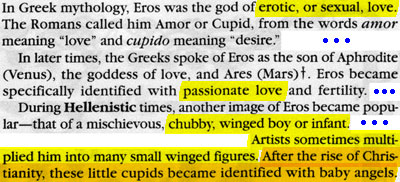
The uniquely winged and naked child: Eros / Cupid / Amor was well established prior to the Christian motif.
http://www.pinkmonkey.com/booknotes/monkeynotes/pmWasteland32.asp, The Waste Land by T.S. Eliot, “Notes | Line 80”:
According to some ancient funeral customs, cupids were carved on coffins as a symbol of the life after death promised to those initiated into primitive religious and fertility cults. Later, in Christian times, cupids appeared in churches in the guise of winged cherubs (cute little baby angels).
Who’s Who in the Ancient World, Radice, 1971, p. 37, “Cupid”:
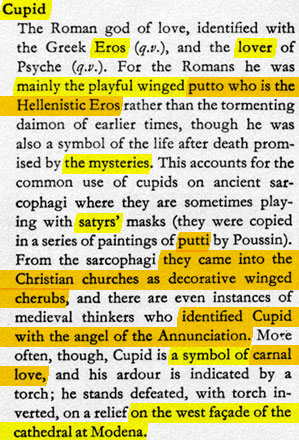
http://www.geocities.com/Hollywood/Lot/5775/gods.html, Gods in Greek Mythology, “Cupid”:
To the earliest Greeks, Cupid symbolized love in its purest form. Later tradition made him the son of Aphrodite and he was chiefly identified with her, but also with any other figure related to a story of love and seduction.. In early Greek art he is shown as a handsome youth with bow and quiver, but by Hellenic Period, about 300 B.C to 300 A. D., when Greek and Roman cultures merged and Christianity was established, he had already evolved into the baby-like figure so well loved by the Victorians.
http://www.antiquewear.com/invcup.htm, “Cupids”:
EROS (CUPID), the Greek God of LOVE, was originally son of Chaos, the primeval emptiness of the universe, and to the earliest Greeks he symbolized love in its purest form. Later tradition made him the son of Aphrodite (Venus). In early Greek art he is shown as a handsome youth with bow and quiver, but by Hellenic Period, about 300 B.C to 300 A. D., when Greek and Roman cultures merged and Christianity was established, he had already evolved into the baby-like figure so well loved by the Victorians.
Love, Sex & Tragedy: How the Ancient World Shapes Our Lives, Goldhill, 2004, p. 130, “Where Angels Come From”:

The Invisible Made Visible: Angels from the Vatican, Duston / Nesselrath, 1998, p. 64, “The Classical Origins of Angel Iconography”:
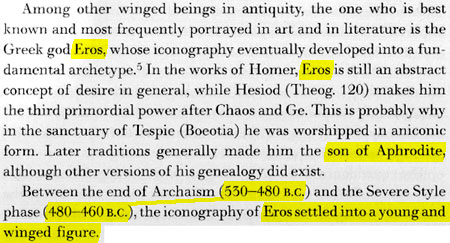
Originally Eros was an adolescent. Later (530-480 BC) Eros developed into the infant. Such helped to make it easy to get thoroughly into Christian art, as he didn’t appear as a threat. But, the fact that he did emanate from early Christian art, retains a strong supportive message.
http://www.theoi.com/DEFG.htm#E, Greek Mythology: Encyclopedia D-G: A Guide to Greek Gods, Spirits & Monsters:
Erotes The winged, child-like gods of love.
(http://www.answers.com/Coptic%20art, Coptic Art: Christian art in the upper Nile valley of Egypt. Reaching its mature phase in the late 5th and 6th cent.):
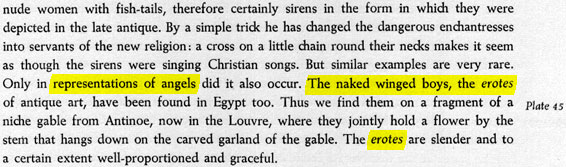
Coptic Art, Wessel, 1965, p. 39:
 :
:
P. 50, plate 45, “Erotes”:
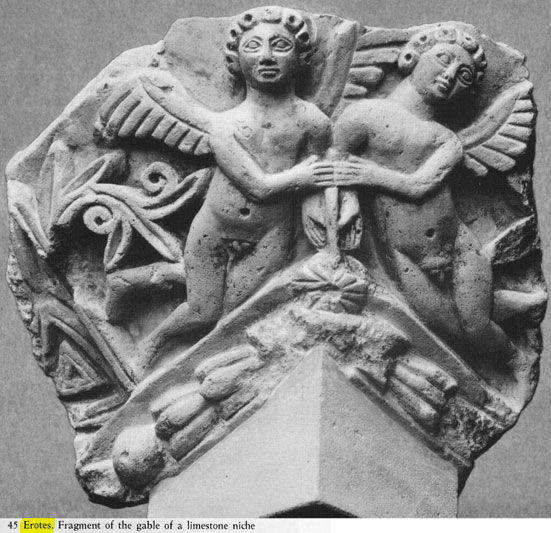
P. 39:
 :
:
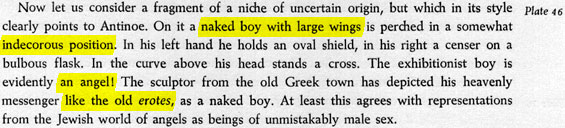
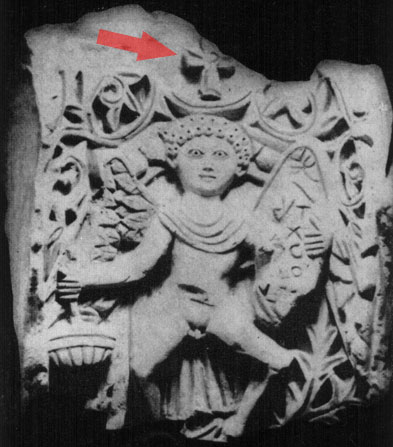
Page 50, plate 46, “Winged boy (angel?)”:

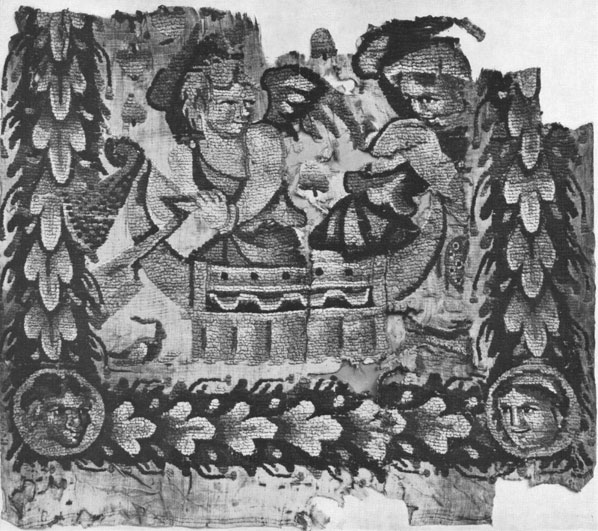
P. 180, plate 105, “Putti in a boat”:

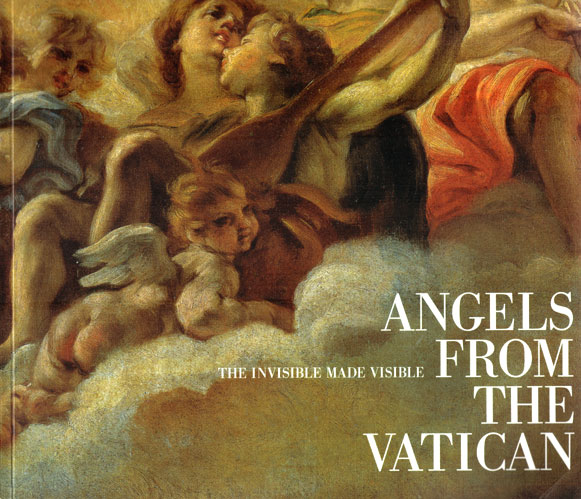
The Invisible Made Visible: Angels from the Vatican, Duston / Nesselrath, 1998, front cover, “Baciccia … Concert of Angels, c. 1672”:
The Invisible Made Visible: Angels from the Vatican, Duston / Nesselrath, 1998, p. 60, figure 20:
Figure 20, “Two Angels … The Sistine Madonna”:
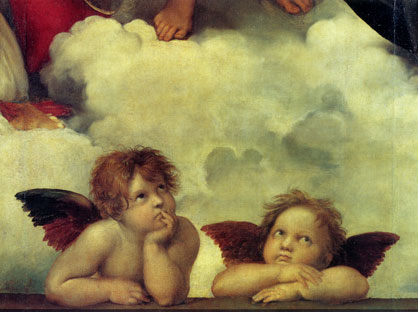

I believe that’s Eros showing us how to pray like a Catholic:
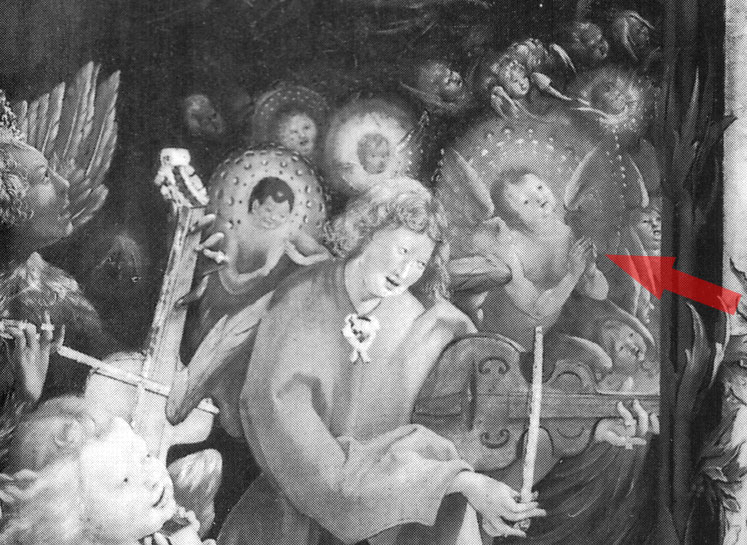
The Invisible Made Visible: Angels from the Vatican, Duston / Nesselrath, 1998, p. 56, figure 15, “Concert of Angels”:

The Invisible Made Visible: Angels from the Vatican, Duston / Nesselrath, 1998, pp. 154-155, catalogue 37, “Angels in the Life of Christ”:
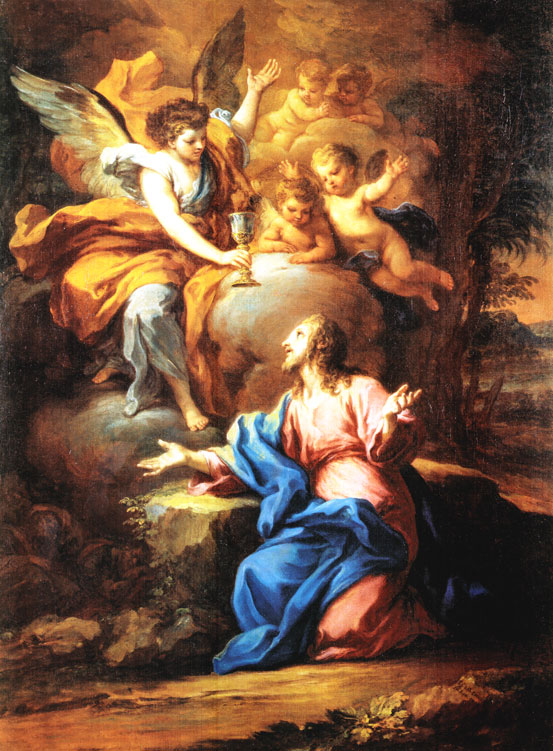
The Invisible Made Visible: Angels from the Vatican, Duston / Nesselrath, 1998, p. 194, catalogue 55, figure 1, “Angels in the Life of the Virgin | Coronation of the Virgin”:
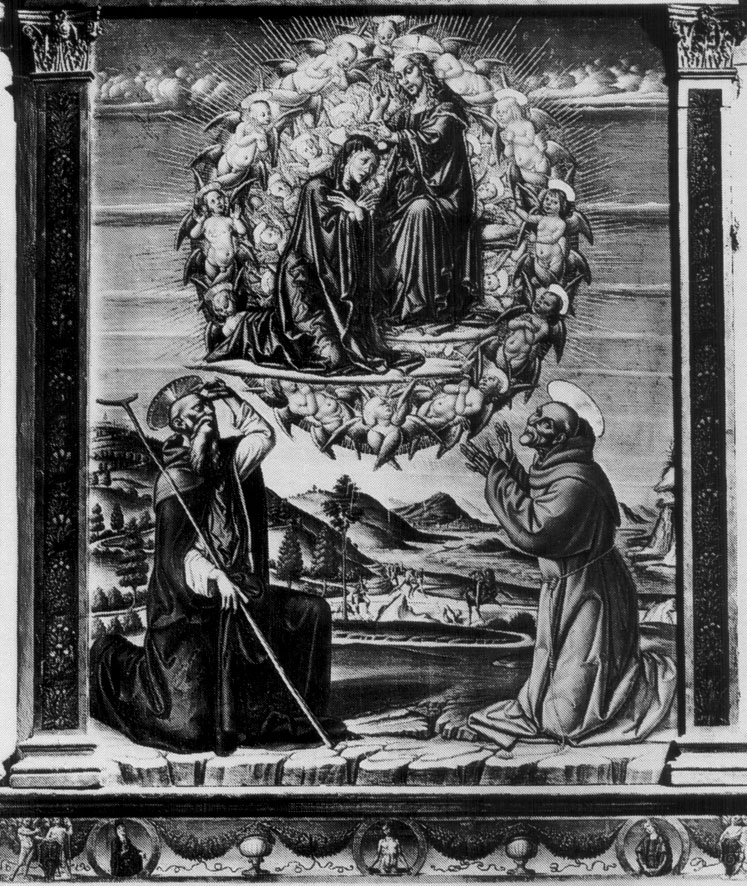

“Virgin” with Eros: shows something got befuddled. Actually, it should be “somethings” because the definition of “virgin” also has been corrupted.
The fact that Eros in text didn’t get corrupted, but Eros in image did, ought to make your head spin. Me, I just keep pacing back and forth in the room, turning every time I think of the text definition, then the image, then the text definition, then the image, …, in a never ending cycle, until someone slaps me out of it. Thanks, I needed that. The doctor says I should just quit trying to figure out religion, then I’ll be okay. He says: “Just trust the Pope.” But, I tell ya’, things are difficult if you’re both smart and honest. So, I got the R.E.M. CD telling about “Losing My Religion.” But, that didn’t work because there are no answers there. Maybe I’d enjoy hanging around the cliff top more often. (LOL)
The Invisible Made Visible: Angels from the Vatican, Duston / Nesselrath, 1998, p. 224, figure 1, “Angels in the Life of the Community: Saints | The Vision of Saint Francis Xavier”:

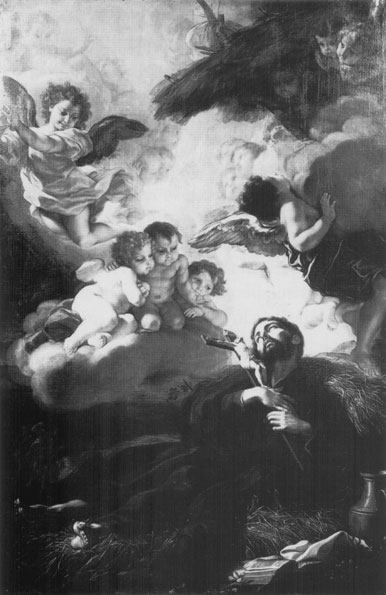
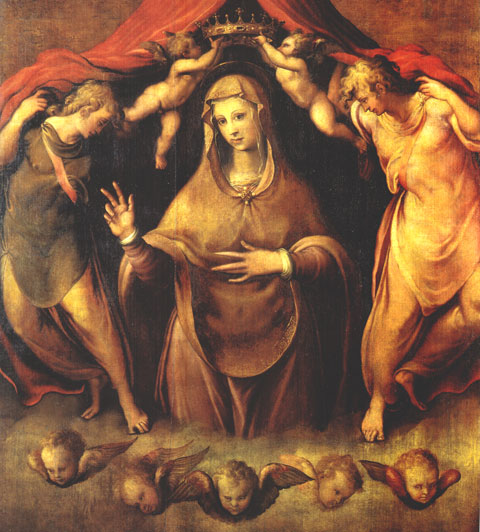
The Invisible Made Visible: Angels from the Vatican, Duston / Nesselrath, 1998, pp. 198-199, catalogue 57, “Angels in the Life of the Virgin | The Coronation of the Virgin with Angels”:
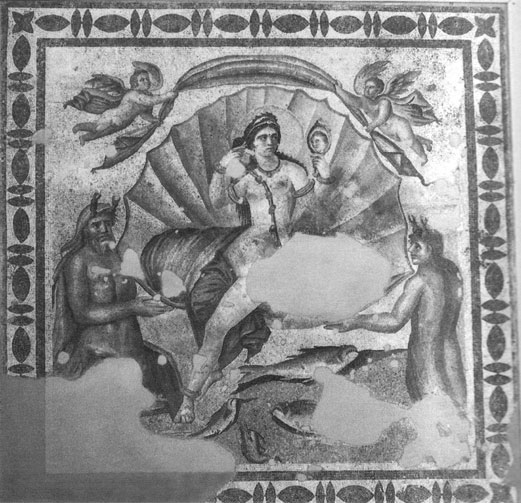
Again, here’s Eros in pagan art:
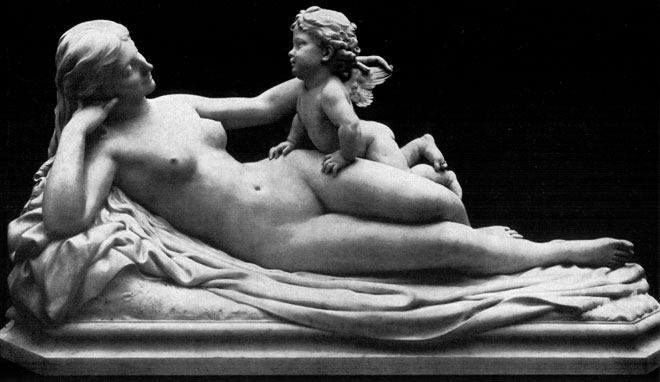
Eros with his momma:
Here’s Eros with Dionysus (pagan art):
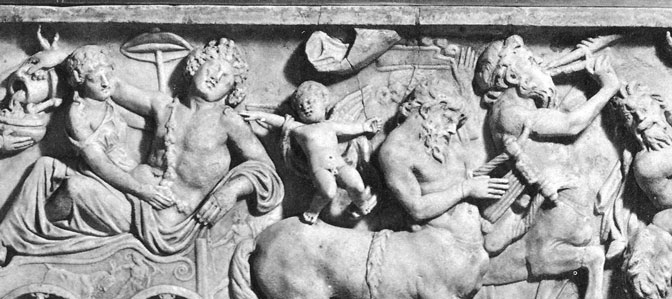
And, here’s even an example of what Eros does not look like:

Nor is this Eros:

 … Maybe.
If God thought that it would bring peace to the world if everyone went on a fire hydrant, then the “god of the hydrant” above would be clearly depicted in Christian art. Instead, the “god / symbol of sexual love” has made its way clear into God’s houses of worship.
The Invisible Made Visible: Angels from the Vatican, Duston / Nesselrath, 1998, pp. 212-213, catalogue 62, “Angels in the Life of the Community: Saints | The Vision of Saint Helena”:
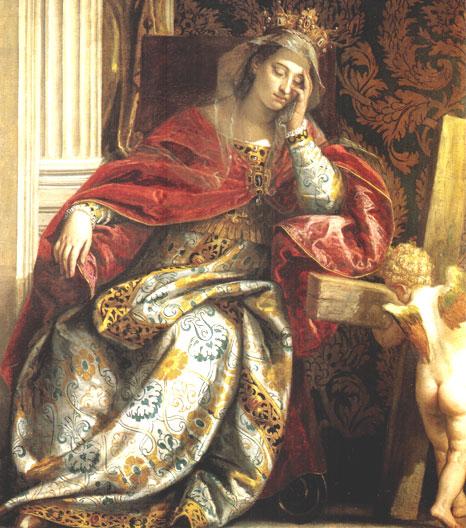
The Invisible Made Visible: Angels from the Vatican, Duston / Nesselrath, 1998, p. 56, figure 16, “Raphael, The Deliverance of Saint Peter”:
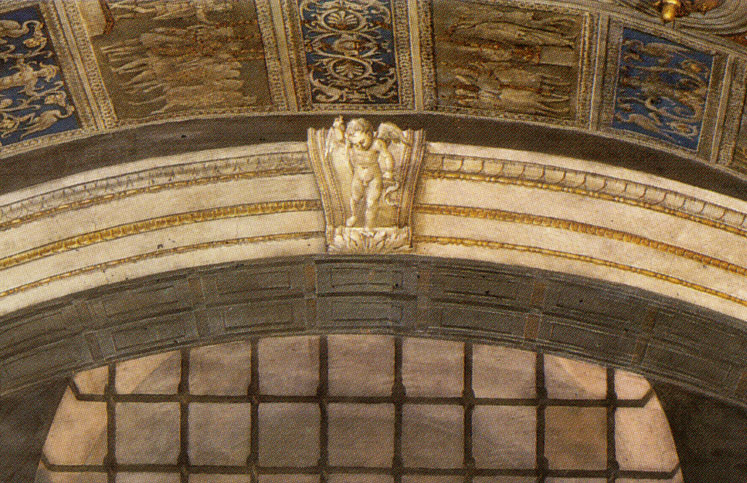

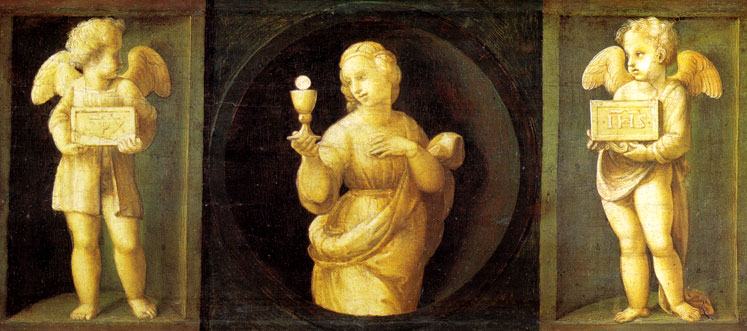
The Invisible Made Visible: Angels from the Vatican, Duston / Nesselrath, 1998, p. 264, catalogue 83, “Angels in the Liturgy | Faith”:
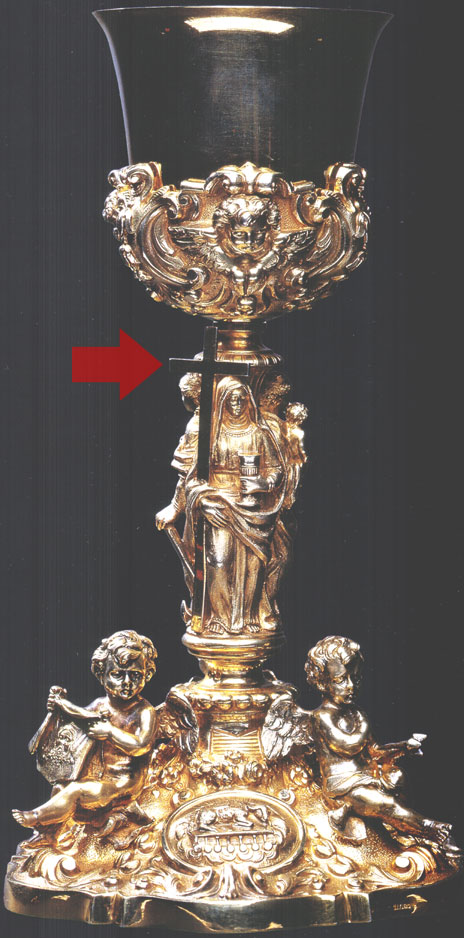
The Invisible Made Visible: Angels from the Vatican, Duston / Nesselrath, 1998, pp. 266-267, catalogue 84, “Angels and the Liturgy | Polidori Chalice”:
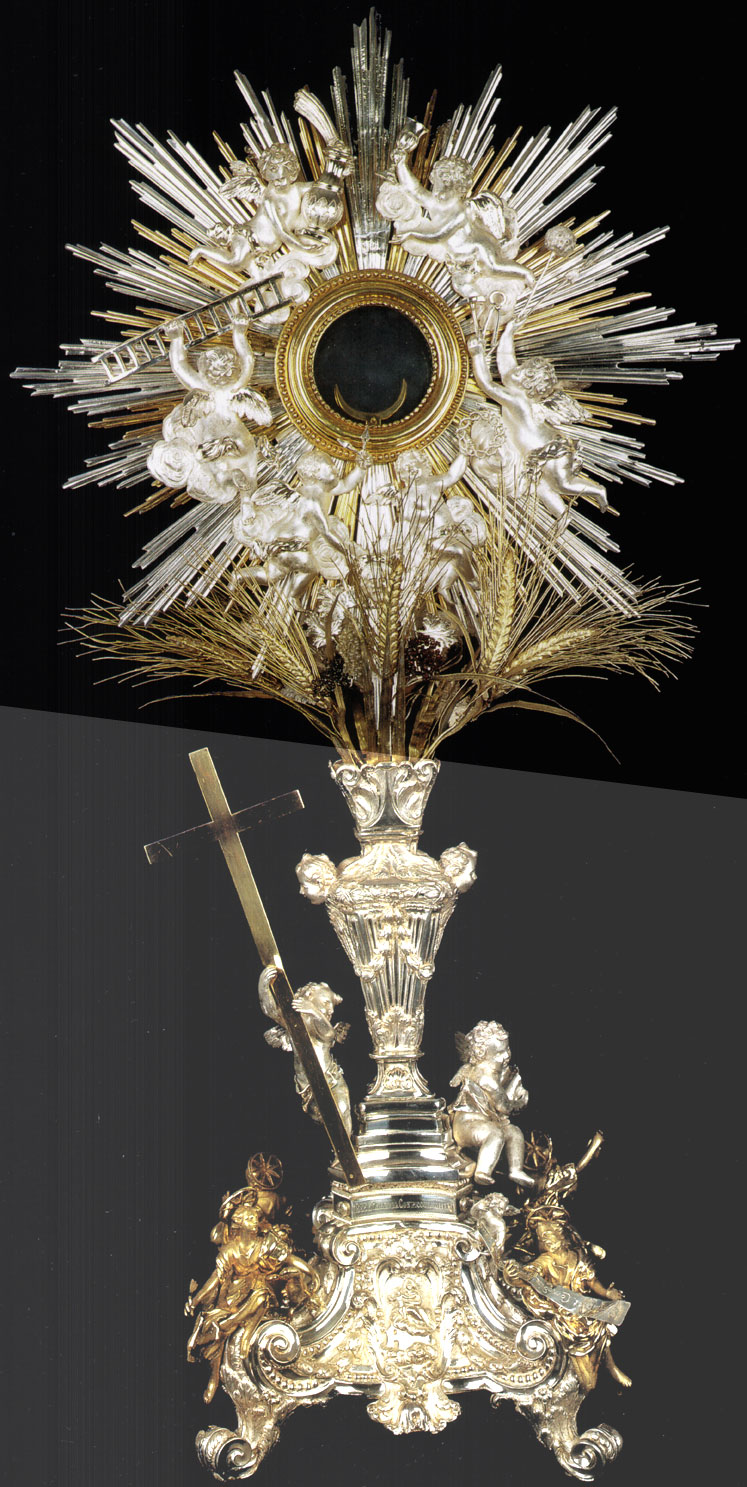
The Invisible Made Visible: Angels from the Vatican, Duston / Nesselrath, 1998, pp. 260-261, catalogue 81, “Angels and the Liturgy | Monstrance with Grain”:
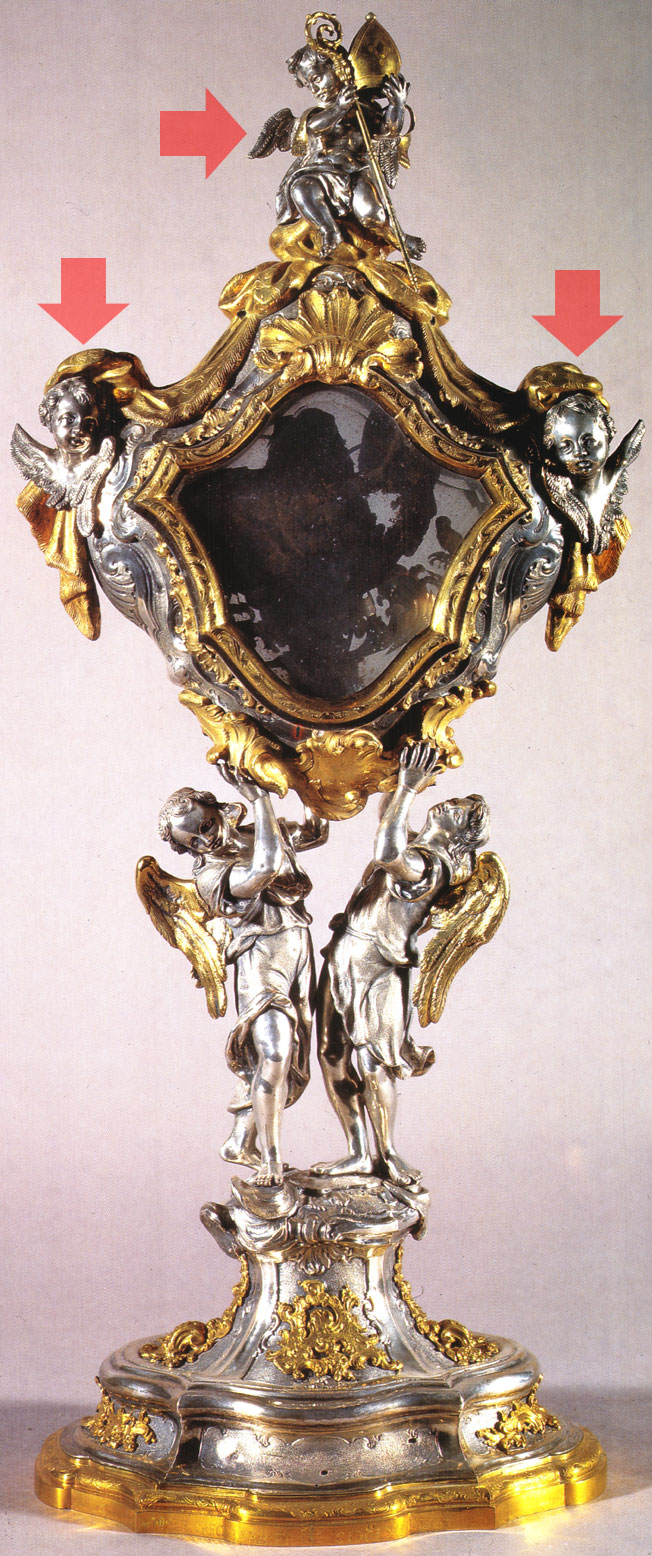
The Invisible Made Visible: Angels from the Vatican, Duston / Nesselrath, 1998, pp. 228-229, catalogue 69, “Angels in the Life of the Community: Saints | Reliquary of Saint Gregory Barbarigo”:
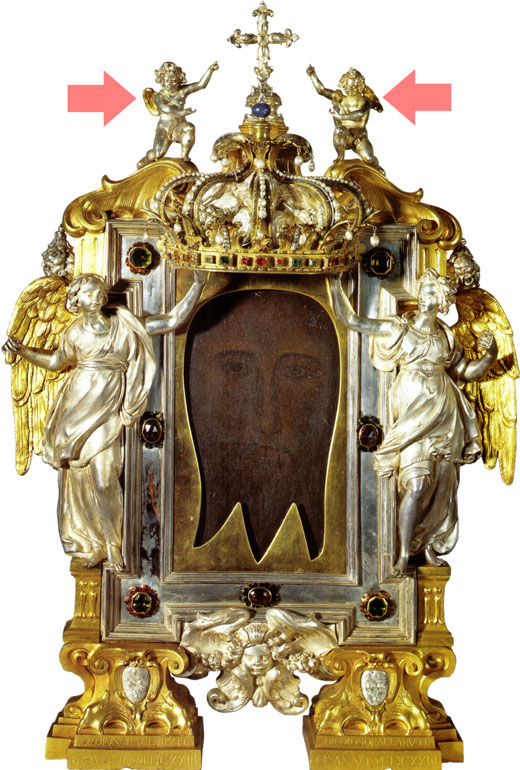
The Invisible Made Visible: Angels from the Vatican, Duston / Nesselrath, 1998, pp. 156-157, catalogue 38, “Angels in the Life of Christ”:
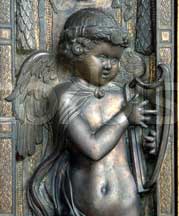
http://pro.corbis.com/, Search # EL004626, Detail of Musician Angels from High Altar of St. Anthony by Donatello, Christian art:
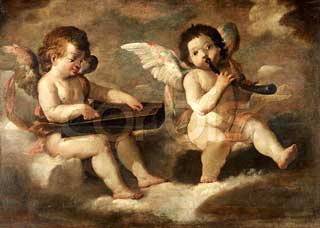
http://pro.corbis.com/, Search # DE001215, Musical Angels with Zither and Horn by Lattanzio di Niccoli di Liberatore da Foligno:
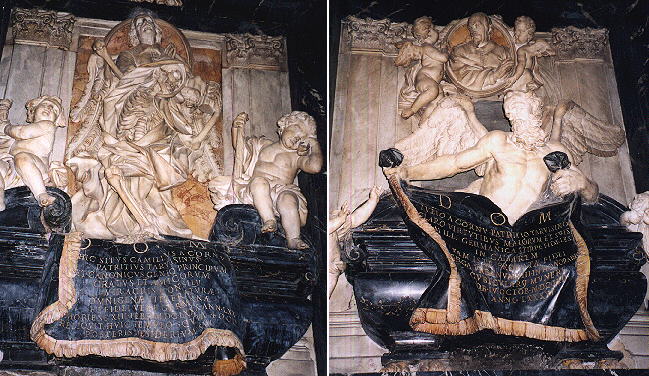
http://www.romeartlover.it/Mememori.html:
Monument to Camillo del Corno by Domenico Guidi and monument to Giulio del Corno by Ercole Ferrata in the church of Gesù e Maria:
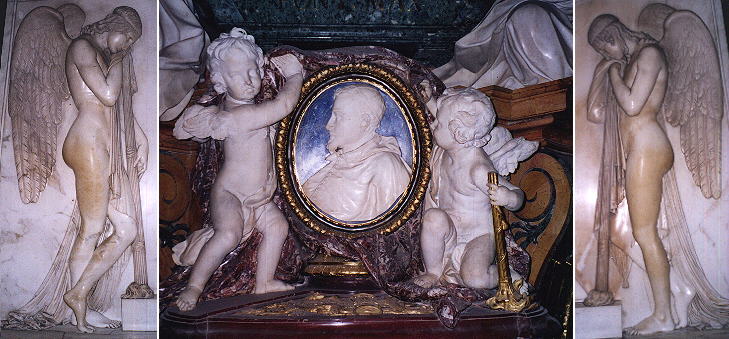
Angels from the Monument to the last Stuarts by Antonio Canova in St Peter's and Monument to Cardinal Ludovisi by Pierre le Gros in S. Ignazio:
For all you skeptics out there, here’s another example of what Eros does not look like:

Nor does this look like Eros:

 … Maybe.
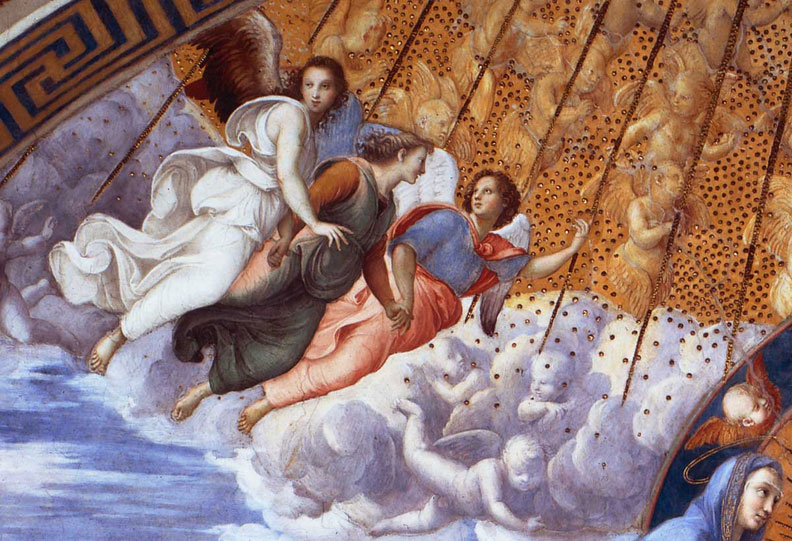
http://www.mcah.columbia.edu/dbcourses/arthum/large/item_1378.jpg (via http://www.mcah.columbia.edu/cgi-bin/dbcourses/item?skip=1360), Raphael, Disputa, detail of angels in the clouds, left side, c. 1509-1510, (fresco), Stanza della Segnatura, Vatican Palace, Rome:
Santa Maria Maggiore in Bergamo, Angelini, 1968, p. 151 (Christian art):
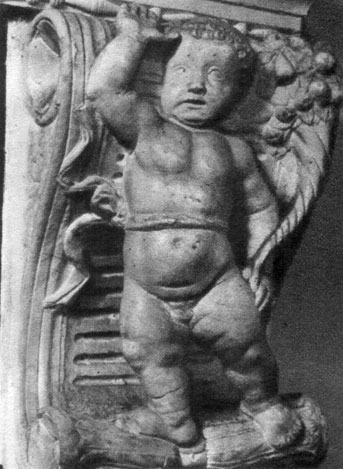
Why it looks like he’s gotta go to the bathroom.
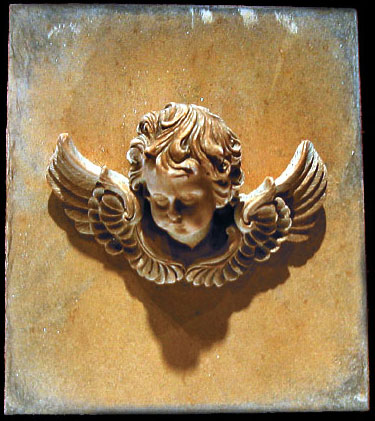
http://www.ancientsculpturegallery.com/119A.html (via http://www.ancientsculpturegallery.com/angelseroses.html), Ancient Sculpture Gallery, “Angel-Eros-Cupid plaque (left)”:
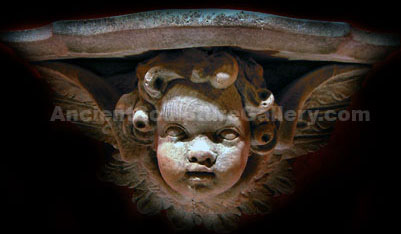
http://www.ancientsculpturegallery.com/083.html (via http://www.ancientsculpturegallery.com/angelseroses.html), Ancient Sculpture Gallery, “Angel-Eros-Cupid Sconce Bracket”:
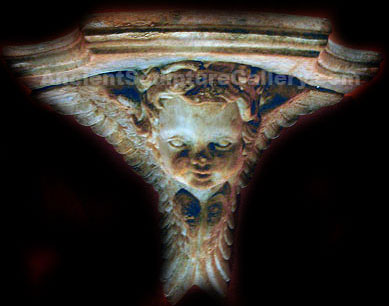
http://www.ancientsculpturegallery.com/084.html (via http://www.ancientsculpturegallery.com/angelseroses.html), Ancient Sculpture Gallery, “Angel-Eros-Cupid Bracket”:
http://users.primushost.com/~antiquew/invcup.htm, Cupids:
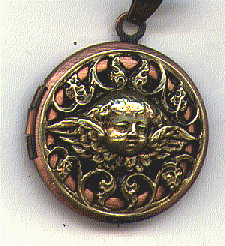
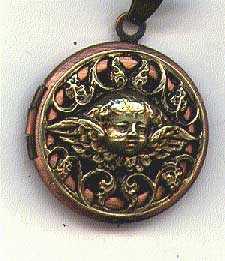
Item #: cupid18. Button: Cupid/Angel. As a locket available with bowpin or chain. Circa 1880's. Price $45.
http://www1.shore.net/~antiquew/invcup.htm, Button: Cupid/Angel, circa 1880:
http://www.giftsprings.com/Merchant2/4.13/zoom2.mv?ni=29195 (via http://www.giftsprings.com/Merchant2/merchant.mv?Screen=CTGY&Category_Code=00050), Angel Cupid Home Decor Gifts:
Angel Cupid Home Decor Gifts
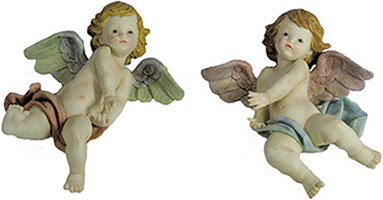
Alabastrite Cherubim Wall Plaque Pr. These two delightful, heavenly cherubs will add peace and tranquility to any room in your home. Alabastrite. 7" x 2 1/8" x 8" high. MSRP $19.95 Pair
Or, it would also correctly support your erotic party.
http://cgi.ebay.com/ws/eBayISAPI.dll?ViewItem&item=110437807348 (eBay), Vintage Angels Cupid Necklace Finding Lot:
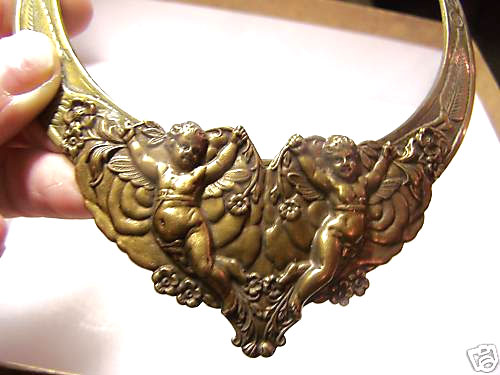
US $3.99
http://www.bigoo.ws/glitters/st-valentine/silver-glitter-angel-cupid-228414.htm, Silver Glitter Angel Cupid Glitters:

Silver Glitter Angel Cupid Glitters
http://www.best-of-web.com/pages/070930-214633.html, Clipart of Cupid - Angel of Love:
This is a clipart picture of Cupid, the angel of love. In this color clipart image, an angel, Cupid, is in flight and pointing his arrow towards...

http://ezinearticles.com/?Cupid---The-Angel-Of-Valentines-Day&id=942291, Cupid - The Angel Of Valentine's Day:
Cupid was a popular subject on the Victorian's extravagantly decorated valentines, and is still much in demand on today's current Hallmark cards.
http://www.ibiblio.org/wm/paint/auth/rubens/, Christ and Saint John with Angels:
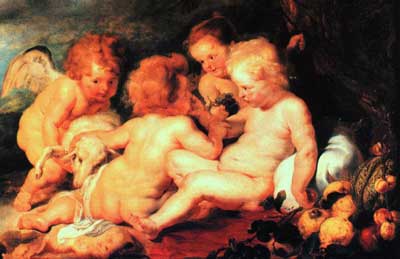
That should be “Christ and Saint John with Eros.”
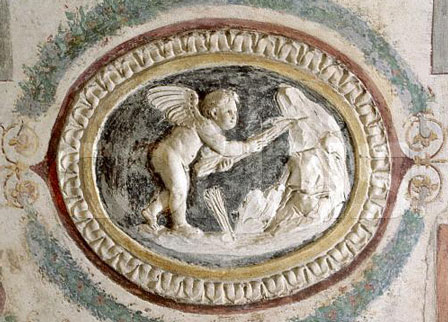
http://pro.corbis.com/, Search # DE002316, Angel Wall Fresco at Castel Sant'Angeloca (Italy), ca. 17th century, Christian art:
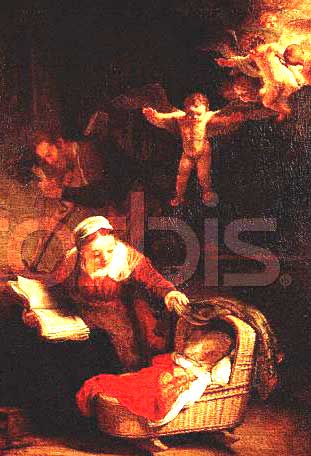
http://pro.corbis.com/, Search # CS005032, Holy Family With Angels, 1645, Christian art, Jesus Christ:
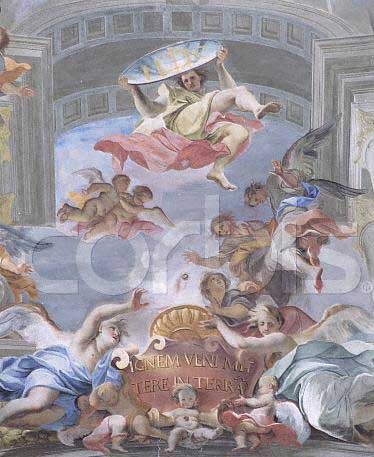
http://pro.corbis.com/, Search # DE002705, Detail Showing Angels from The Glorification of Saint Ignatius by Andra Pozzo, Christian art:
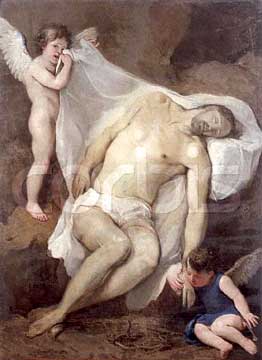
http://pro.corbis.com/, Search # AV003367, Dead Christ with Two Angels by Giovanni Segala, Second half 17th century, Christian art, Jesus Christ:
http://pro.corbis.com/, Search # AV003678, Dead Christ Mourned by Angels by Antonio Begarelli, mid-16th century, Christian art, Jesus Christ:
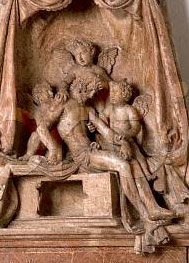
Eros with Beatle haircuts:
http://www.artist-biography.info/gallery/bellini/187/, JACOPO, GIOVANNI, and GENTILE BELLINI, Painters of Venice, (circa 1400-1464; 1428-1516; 1426-1507), “Dead Christ supported by angels, Pinacoteca Comunale, Rimini”:
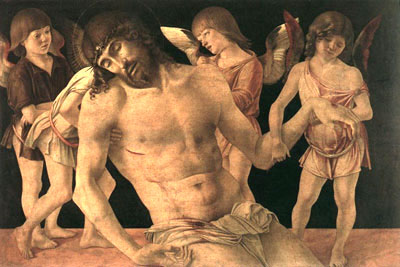
http://pro.corbis.com/, Search # MA11939A, Dead Christ Supported by Two Angels, 1472 ca., Christian art, Jesus Christ:
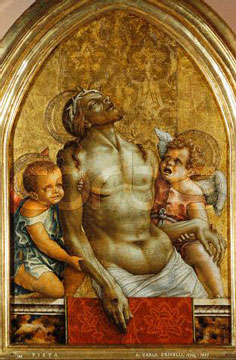
http://pro.corbis.com/, Search # NG001420, Pieta, probably ca. 1472 or later, Christian art, Jesus Christ (Dead Christ):
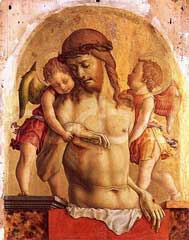
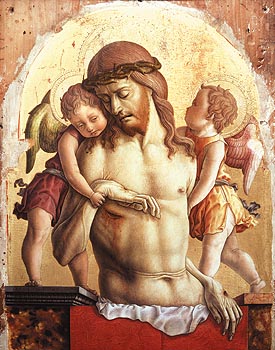
http://www.guardian.co.uk/arts/gallery/image/0,8543,-10504488902,00.html, Carlo Crivelli, Dead Christ with Angels:
http://pro.corbis.com/, Search # SN001494, Cemetery With Colonial Tombstones:

Tombstones from the Colonial period, decorated with angels, cupids, and faces of the deceased stand in a Old Burying Grounds, a cemetery established in 1640 in Hartford, Connecticut.
http://www.ago.net/www/information/exhibitions/angels_from_the_vatican/angels_edu.html, Angels from the Vatican: Guide for Teachers and Students, “Part One: Early Angels”:
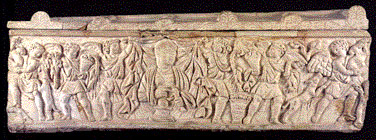
Sarcophagus
of Young Girl with Cupids and Spirits
of the Seasons, 270-80 A.D., White marble, Vatican
Museums
http://www.a21olympia-art-as-sport.com/english/inhalte.html, “A 21 OLYMPIA –VENUS project” (pagan / mythology information):
Eros for kids: Early angels
(Pagan art):
http://www.ago.net/www/information/exhibitions/angels_from_the_vatican/angels_edu.html, Angels from the Vatican: Guide for Teachers and Students, “Part One: Early Angels”:
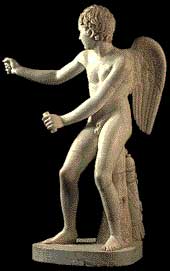
Eros of Tespia, mid-2nd century A.D., White marble, Vatican Museums
(Pagan art):
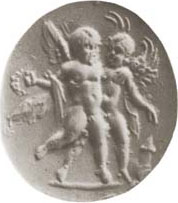
http://www.beazley.ox.ac.uk/Gems/Styles/Hellenistic/Script/ErotesRight.htm, Hellenistic Gems : Erotes:
In the Hellenistic period Eros is more often represented as a baby, not a youth as before. He forms part of the entourage of Dionysos, as well as attending his mother Aphrodite.
|
|
Eros and Psyche (with curved wings) are shown running in close embrace in three-quarter view. They are naked apart from a shared mantle draped over their arms. Eros holds a wreath, and beside Psyche is a small altar with flame. Oxford 354 (1941.623) Clear glass 12x10.5x2mm, flat face, convex back. |
http://dictionary.reference.com/search?q=hellenistic, “Hellenistic”:
2. Of or relating to postclassical Greek history and culture from the death of Alexander the Great to the accession of Augustus.
http://www.usask.ca/antiquities/Collection/Eros.html (The Museum of Antiquities Collection), Eros, c. fourth century B.C., British Museum, London:
Description: Resin head of Eros with damage to nose and chin. Height 22.5 cm.
Provenance: Marble original from a statue representing Eros.
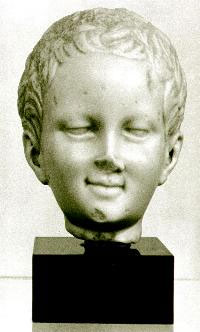
Eros (Cupid), the god of love who "grew young", at least in art. In the 4th century B.C., after starting as a teenager, he becomes the little boy as represented here, and finally diminishes to the size of a winged, long-haired baby (the later baroque angel).
http://dictionary.reference.com/search?q=baroque, “baroque”:
Of, relating to, or characteristic of a style in art and architecture developed in Europe from the early 17th to mid-18th century (in other words, Christian art.)
(Pagan art):
http://www.ancientsculpturegallery.com/123.html (via http://www.ancientsculpturegallery.com/angelseroses.html), Ancient Sculpture Gallery, “Nike and Eros plaque”:
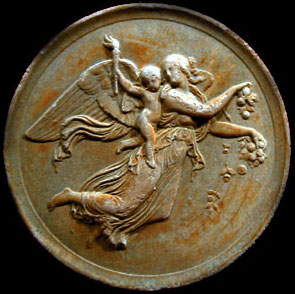
In Greek mythology, Nike (meaning "Victory") (Roman equivalent: Victoria), was a goddess who personified triumph and victory. She was capable of running and flying at great speeds. She was effectively treated as a bringer of good luck and was often depicted as a winged figure perching on another god's arm, peeping out from a fellow god's clothes or flying above like a winged fairy. In this plaque is flying together with a winged Eros.
(Pagan art [called angels]):
http://www.ancientsculpturegallery.com/017.html (via http://www.ancientsculpturegallery.com/angelseroses.html), Ancient Sculpture Gallery, “Two Cupids among Acanthus scroll decoration plaque”:
This is a large Roman decorative plaque depicting two cupids surrounded by beautiful acanthus scrolls.
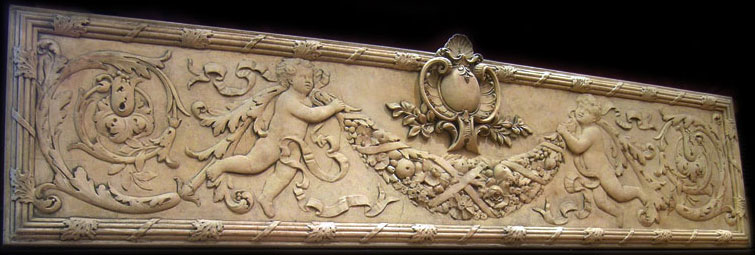
(Pagan art):
http://www.magicalomaha.com/Greekgodgoddessstatury.htm, Greek/Roman God and Goddess Statues, “Angel & Centaur Statue”:
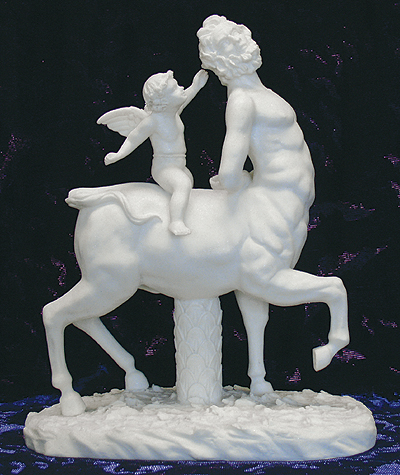
(Pagan art):
The Oxford History of Classical Art, Boardman, 1993, p. 203, “The Hellenistic Period”:
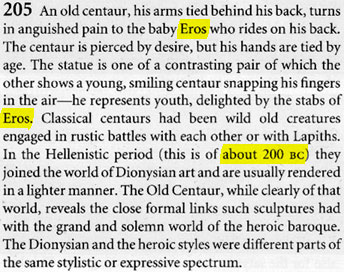
P. 204, Illustration 205:
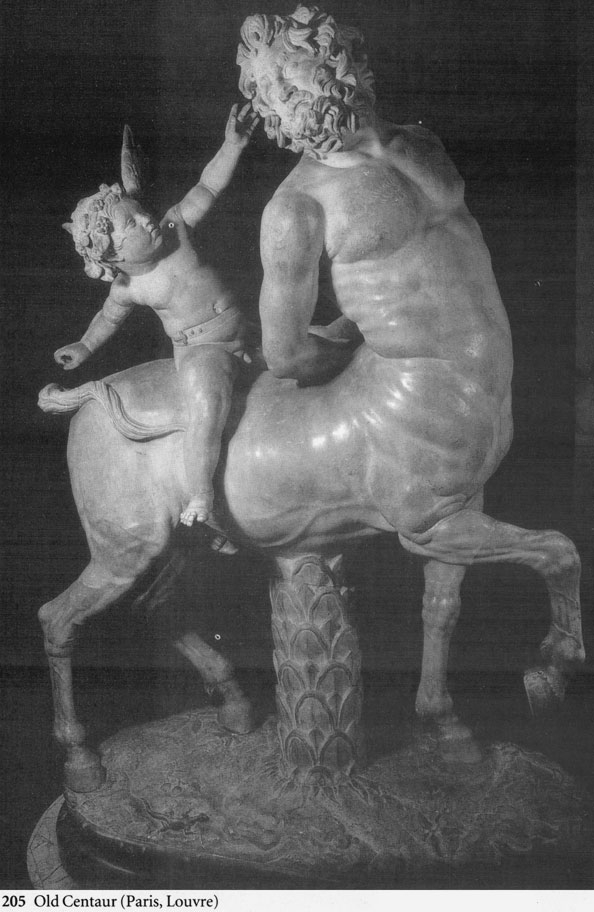
(Pagan art):
http://www.hts.gatech.edu/faculty/abullard/:
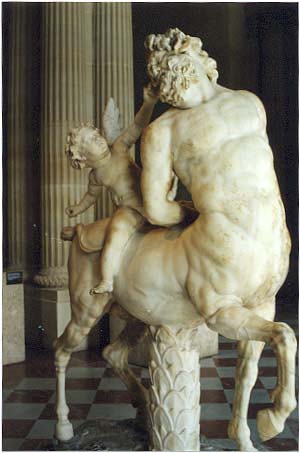
(Pagan art):
http://etc.usf.edu/clipart/10800/10890/centaur_10890.htm, Centaur:
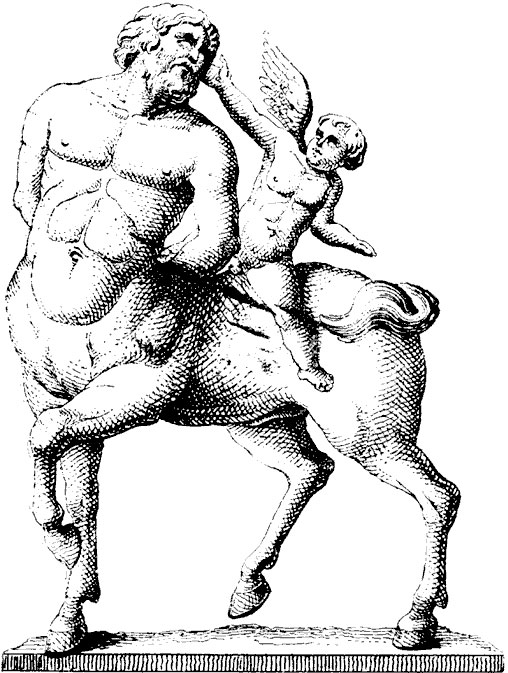
The Church using Eros in art is like today using the Playboy bunny in Christian art.
There’s no doubt that Eros / Cupid / Amor became a definite Christian icon; even to the extent of becoming an “angel,” which is something considered very sacred. What more could I want? Something sacred enough to make early Christians make sure it got carried over to the latter church.