DIONYSUS – LATER ART (non-Christian)
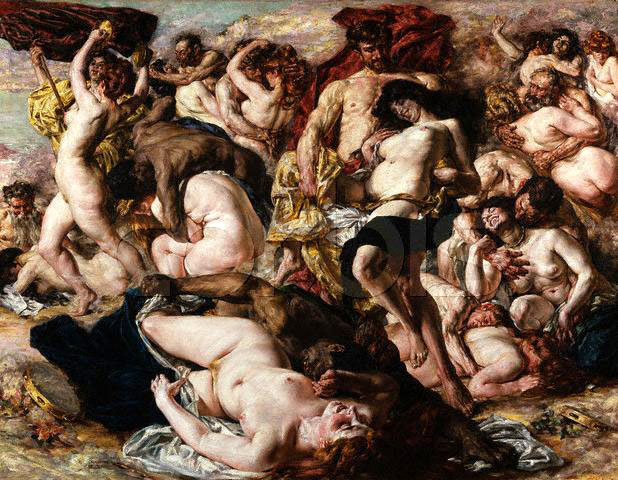
http://pro.corbis.com/, Search # AALQ001196, A Bacchanalian Scene by Auguste Leveque, ca. 1890-1910, Eroticism, Lovers, Lust, Maenad, Orgy, Passion:
http://www.sandladan.tv/bilder/bacchanal.jpg:
http://www.luminarium.org/sevenlit/herrick/bacchus2.htm; To Bacchus, A Canticle; by Robert Herrick:
WHITHER dost thou whorry
me,
Bacchus, being full of thee ?
This way, that way, that way, this,
Here and there a fresh love is.
That doth like me, this doth please,
Thus a thousand mistresses
I have now ; yet I alone,
Having all, enjoy not one.
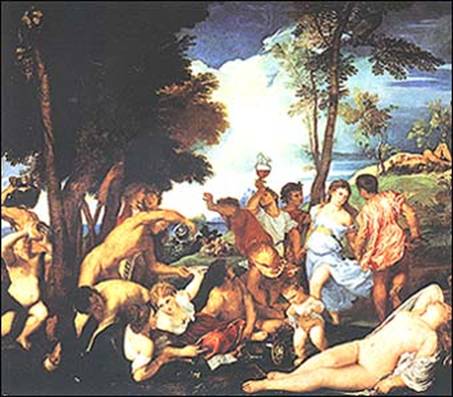
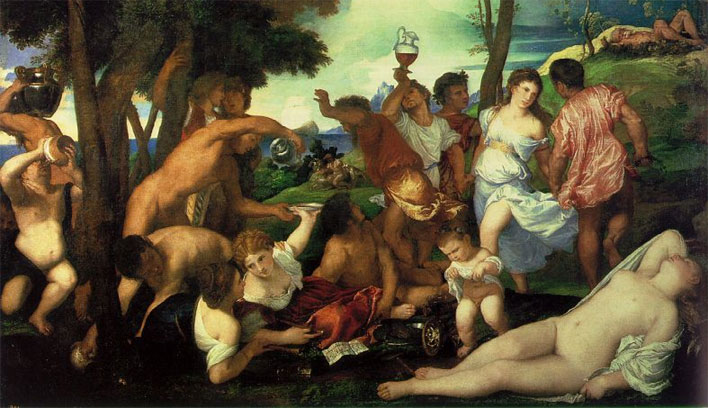
Titian. Bacchanal of the Andrians. 1523-24
http://www.artchive.com/artchive/T/titian/titian_andrians.jpg.html, Titian: Bacchanal of the Andrians 1523-25:
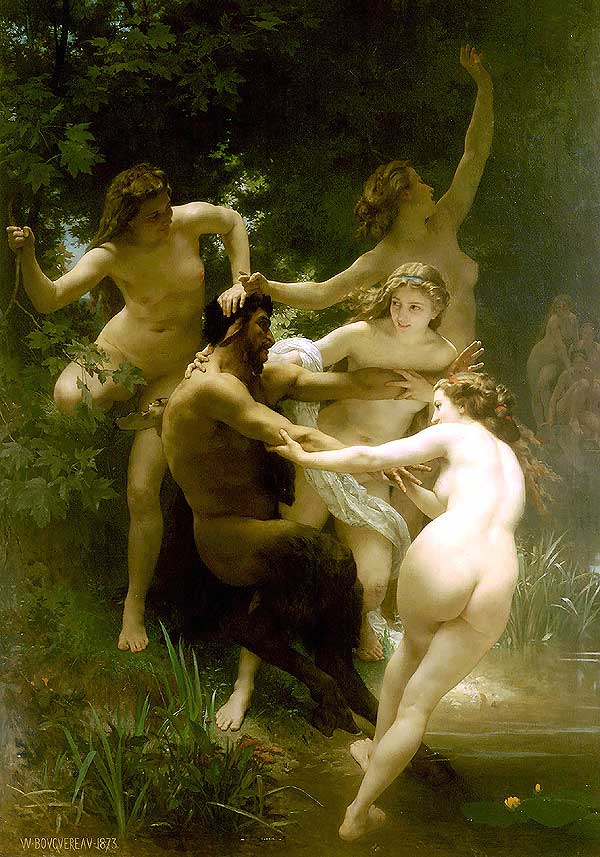
http://www.painterskeys.com/clickbacks/wline.asp, Nymphes et Satyre, 1873, by Adolphe-William Bouguereau (1825 - 1905):
http://www.artehistoria.com/frames.htm?http://www.artehistoria.com/genios/cuadros/3648.htm:
Pertenece al ciclo de triunfos o bacanales [Spanish] (Bacchanalia)
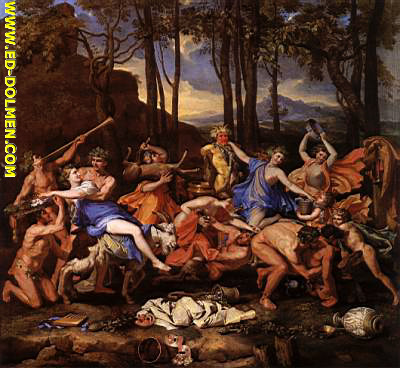
http://www.uco.es/~ca1lamag/Galerias/Dionisio.htm, “Bacanal [Spanish]: Poussin. Plasmación de ritos dionísiacos. Recuérdese las Bacantes de Eurípides.”:
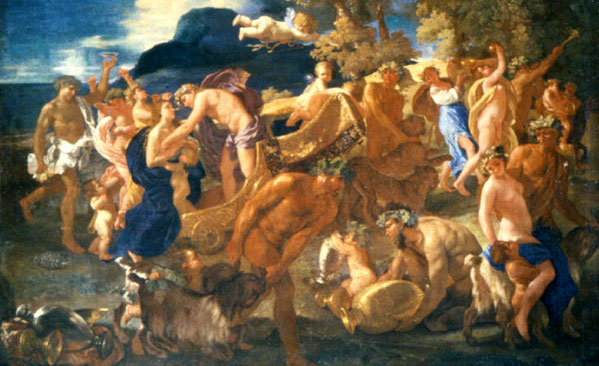
http://www.wallacecollection.org/c/w_a/p_w_d/d_f/p/p188.htm, Bacchanalian Scene, by Willem Van Mieris, 1700:
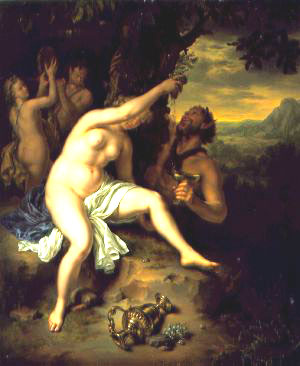
http://www.atelierdesarts.com/articoli/dipinti/tito1.html, Baccanale [Italian]:
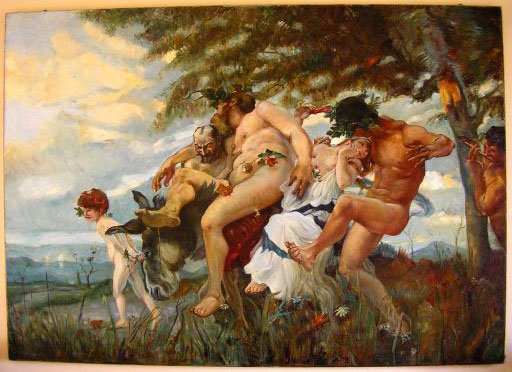
http://www.windows.ucar.edu/tour/link=/mythology/WINDOWS_MAIN_FILE/Bacchus_Entrusted.html, Nicolas Poussin (1594-1665), "The Infant Bacchus Entrusted to the Nymphs of Nysa; The Death of Echo and Narcissus," 1657:
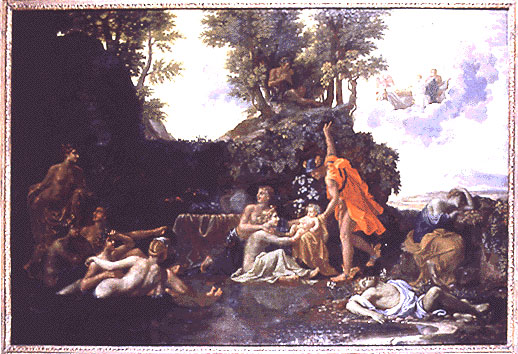
http://www.mcah.columbia.edu/dbcourses/rosand/medium/dosso_bacchanal_ng_061803.jpg (Bacchanal of Men, c. 1520):
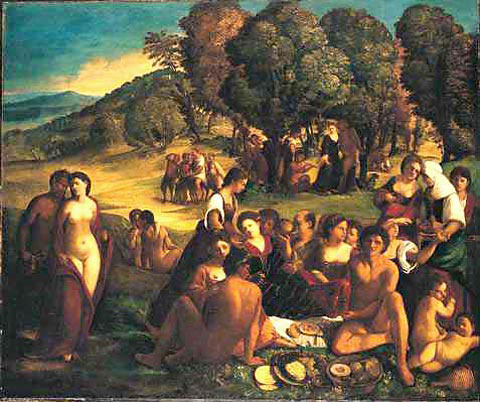
http://www.georgeglazer.com/prints/aanda/art-pre20/watteau.html, Aftermath of a Bacchanal, French, 18th or 19th Century:
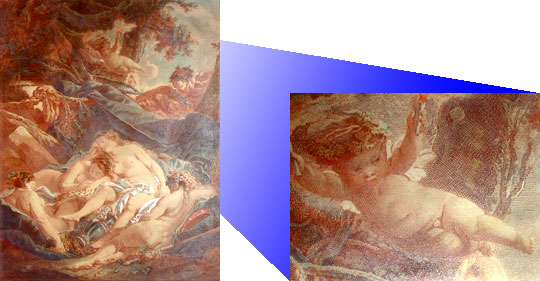
Four nude women, possibly Venus and the Three Graces, sleep on a cloth spread upon a niche in the rocks, alongside bunches of grapes and an amphora of wine -- apparently emptied because it lies on its side, as well as a tambourine and a sword. A cherub, two craggy-faced men, and another woman peer down at the scene from above.
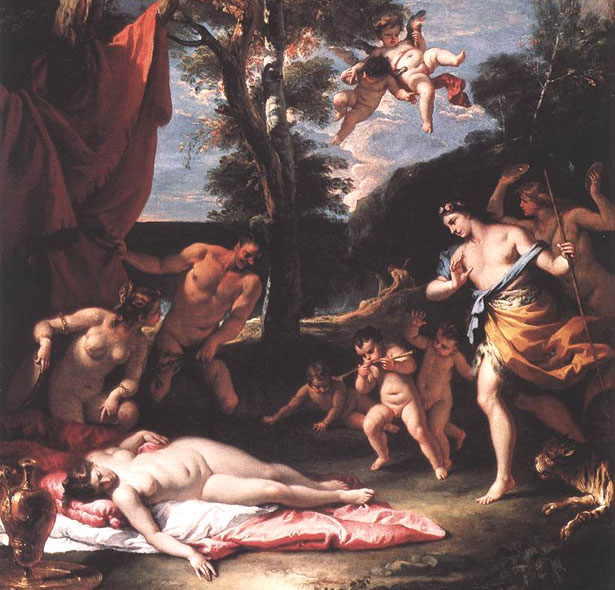
http://www.wga.hu/frames-e.html?/html/r/ricci/sebastia/2/, Paintings (Page 2) by Sebastiano Ricci, “The Meeting of Bacchus and Ariadne, c. 1713:
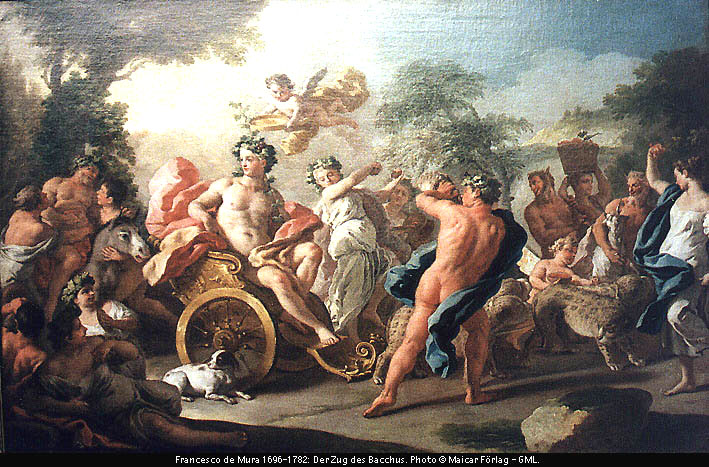
http://homepage.mac.com/cparada/GML/000Free/000Dionysus/source/16.html, Dionysus Album, “Der Zug des Bacchus, 1760. Francesco de Mura 1696-1782. Gemälde Galerie Kulturforum, Berlin”:
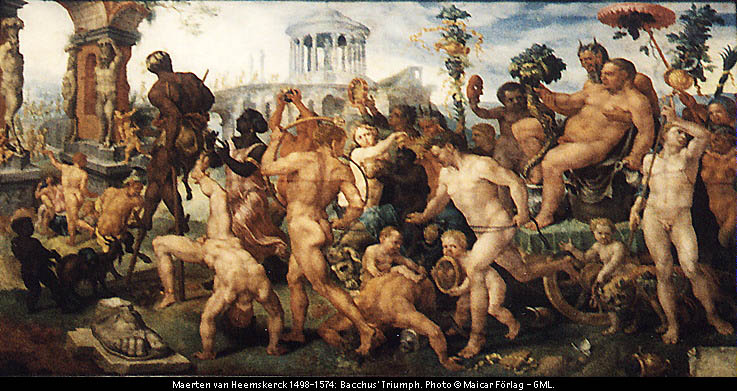
http://homepage.mac.com/cparada/GML/000Free/000Dionysus/source/7.html, Dionysus Album, “Bacchus' triumph [1536-37]. Maerten van Heemskerck 1498-1574. Künsthistorische Museum, Wien”:
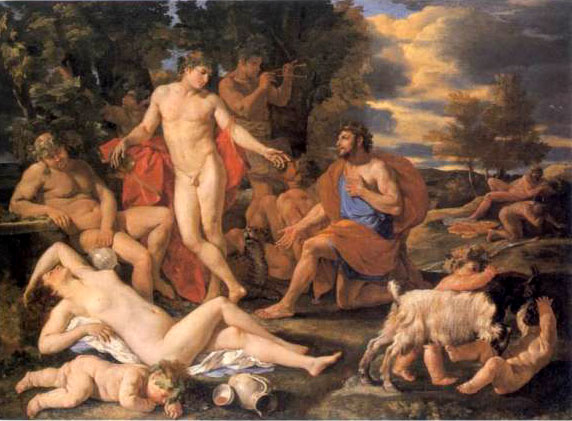
http://www.tigtail.org/TIG/S_View/TVM/X1/f.Baroque/c.french/poussin/M/poussin_midas_baccus.jpg (via http://www.tigtail.org/TIG/S_View/TVM/X1/f.Baroque/c.french/baroque-french.html), Midas and Bacchus (by Nicolas Poussin, 1594-1665):
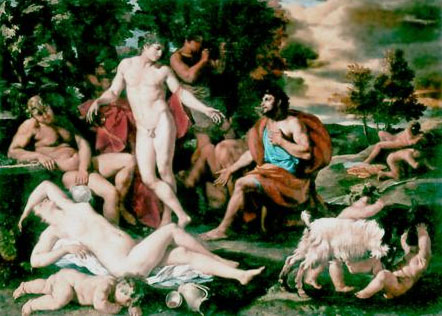
http://xxi.ac-reims.fr/fig-st-die/actes/actes_2002/bailly/article.htm, (University of Geneva), “Fig. 6 : Nicolas Poussin (1594-1665), Midas rendant grâce à Bacchus” (Translated from French: Fig. 6 Nicolas Chick, Midas returning thanks to Bacchus):
Les bacchanales étaient des fêtes nocturnes où des femmes s’adonnaient à la débauche, ce qui excite l’imagination des artistes. Et dans la littérature, l’image du moine bien « buveur » et bon vivant se retrouve du Frère Jean des Entommeurs de Rabelais au Révérend Père Gaucher d’Alphonse Daudet. Le christianisme a été le propagateur de la vigne et le propagandiste du vin. Cette tendance reste présente dans le culte des Saints Vignerons (St Vincent).
Translated from French: The orgies were night festivals where women devoted themselves to the vice, which excites the imagination of the artists. And in the literature, the image of the monk well "drinker" and jolly fellow finds himself of the Jean Brother of Entommeurs de Rabelais to the Reverend Left-handed Père of Alphonse Daudet. Christianity was the propagator of the vine and the propagandist of the wine. This tendency remains present in the worship of the Saints Vine growers (St Vincent).
http://webexhibits.org/feast/location/WorshipOfVenus.html, The Worship of Venus by Titian (1518-20):
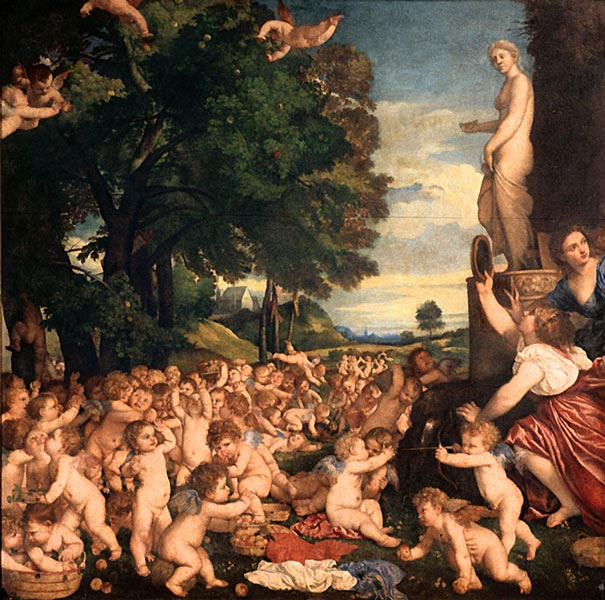
THIS FESTIVAL of love
features a multitude of cupids,
themselves the offspring of the unbridled
passion of Venus and her nymphs. The cupids’
mission is to proliferate passionate love. Here, they worship Venus as
the goddess of love, who has produced them through her pursuit of love.
This second bacchanal (for the infant
cupids) is described by the classical author Philotratus.
http://www.abcgallery.com/P/poussin/poussin25.html (Olga’s Gallery), Nicolas Poussin. Bacchanalia. 1631-1633:
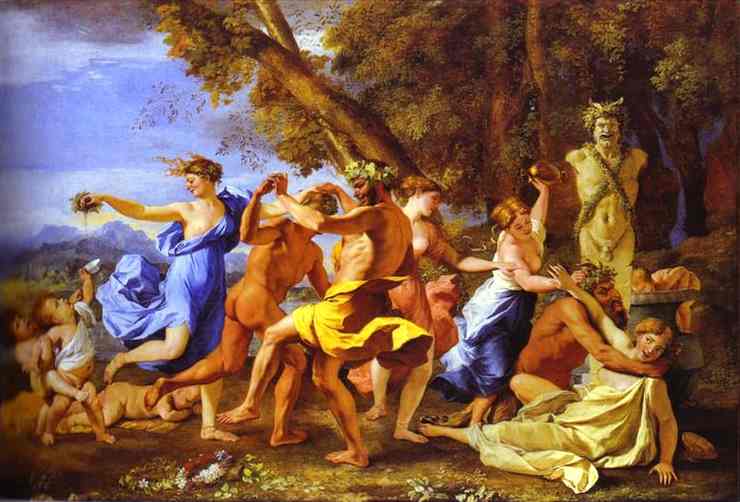
http://pro.corbis.com/, Search # DE003669, Bacchanal of Putti by Nicolas Poussin, (1626):
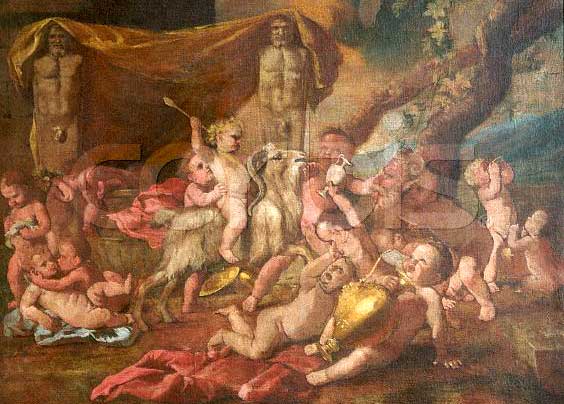
http://www.george24.com/~the-word/Bacchanalia3_1.jpg:
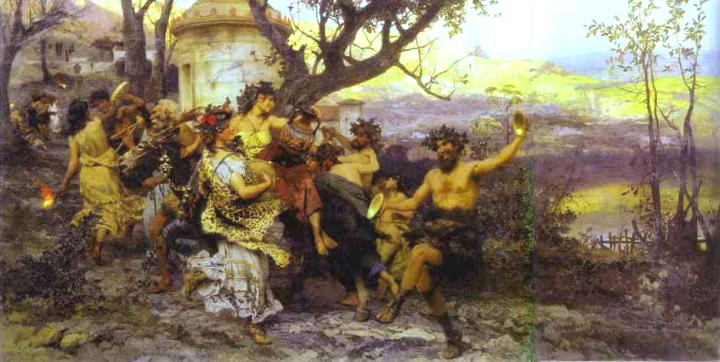
http://www.wga.hu/art/m/magnasco/1bacchan.jpg (via http://www.wga.hu/frames-e.html?/html/m/magnasco/), Bacchanalian Scene 1710s:
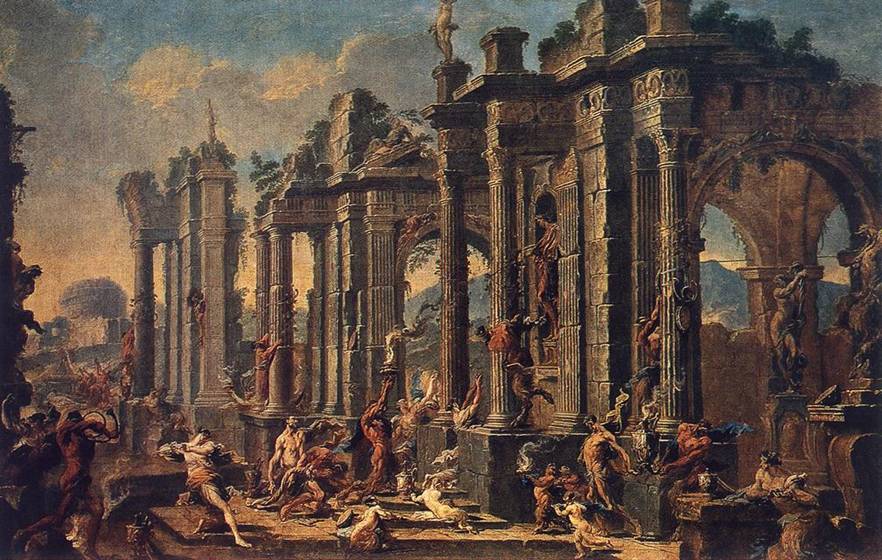
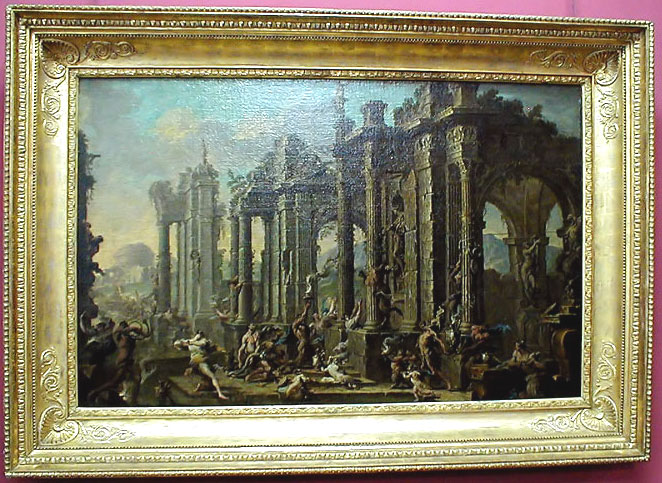
http://3mill.ru/IRKUTSK/hermitage_vakhanalia.jpg (via http://3mill.ru/IRKUTSK/N111_irkutsk.htm), “Александра Маньяско «Вакханалия» [Bacchanalia]” (Russian site):
http://www.romanempire.net/romepage/TogaParty.htm, New Year’s Eve Toga Party:
Join Rome’s citizenry for a Bacchanalian revelry of unparalleled extravagant, decadence and debauchery worthy of Roman grandeur!
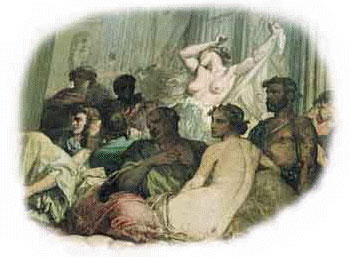
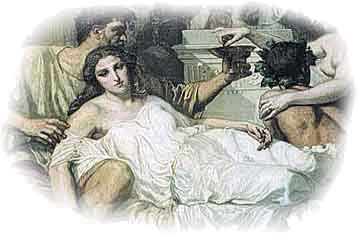
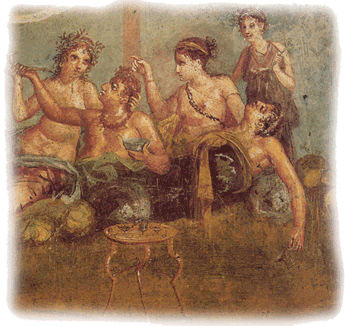
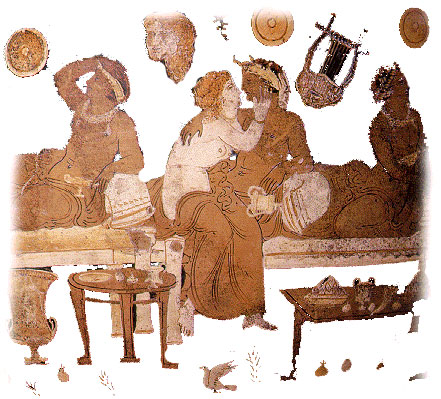
Encyclopedia of Comparative Iconography: Themes Depicted in Works of Art, Roberts, 1998, Vol. 1: A-L, p. 99, “Bacchanalia / Orgy”:
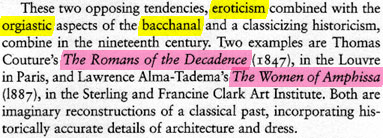
http://artrenewal.org/asp/database/image.asp?id=15018, Thomas Couture: The Romans of the Decadence, (1847):
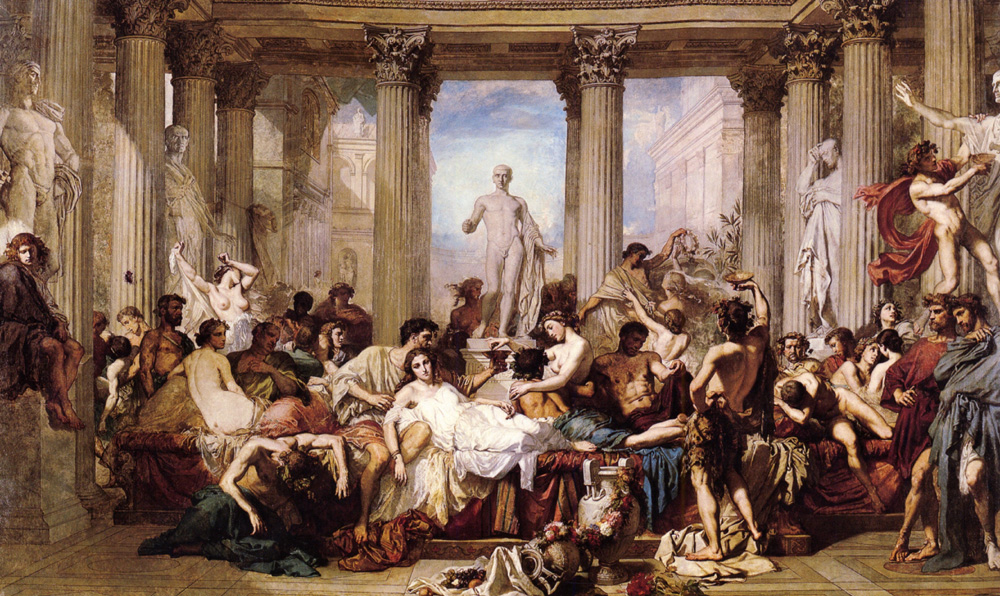
http://www.1st-art-gallery.com/artists/Sir%20Lawrence%20Alma-Tadema/The%20Women%20of%20Amphissa.jpg (via http://www.1st-art-gallery.com/artists/Sir%20Lawrence%20Alma-Tadema/index_alma-tadema.html), Sir Lawrence Alma-Tadema: The Women of Amphissa, (1887):
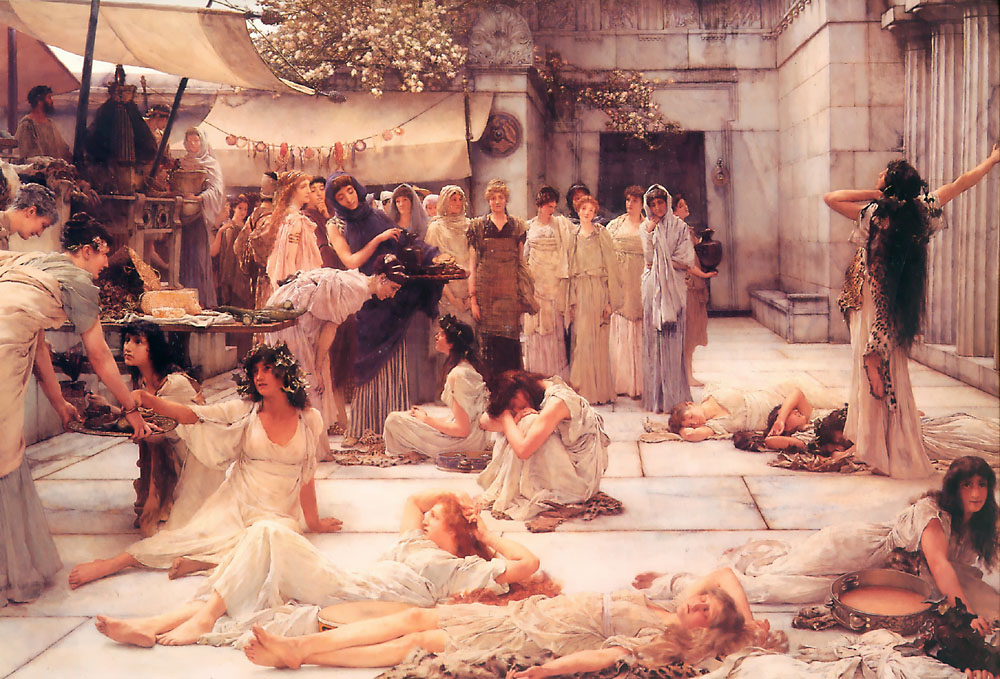
http://pro.corbis.com/,
Search # KE002652, Triumph of Bacchus and Ariadne by Annibale Carracci,
Date Created: ca. 1597-1602
Paintings decorate the
ceiling of the gallery of Palazzo Farnese (palace) by
A. Carracci. Rome, Italy.
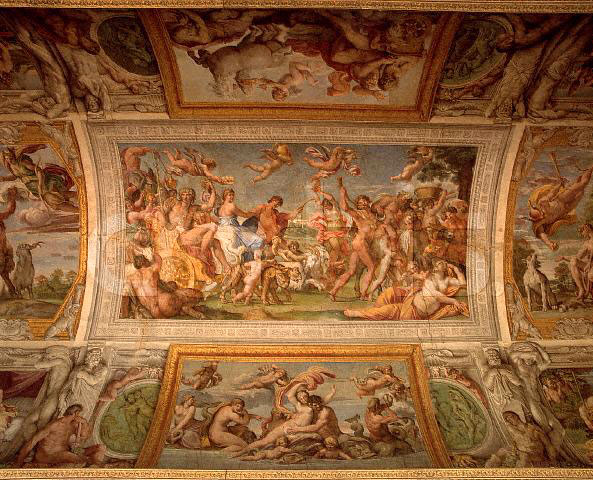
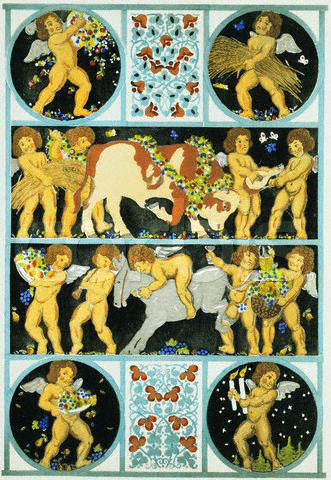
http://pro.corbis.com/, Search # AABR003171, Wine Label Designs Depicting Cherubs in Bacchanal Scenes by Artur Osang, ca. 1872:
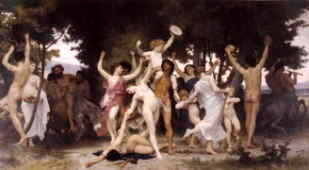
http://www.psicotecnica.org/PanNinfe.html, Scena bacchica di Corrado Giaquinto (1790 circa). Ninfe con satiro di William-Adolphe Bouguereau. La gioventù di Bacco, di William Bouguereau [Bacchic scene of Corrado Giaquinto (1790 circa). Nymphs with satyr of William-Adolphe Bouguereau. The youth of Bacchus, of William Bouguereau]:
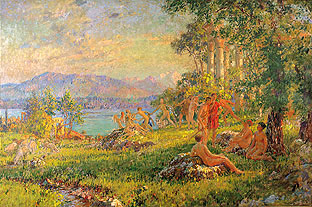
http://www.nice-encheres.com/0604/vente05.html, “Bacchanales, faunes et nymphes” by Albert Charpentier (1878-1916):
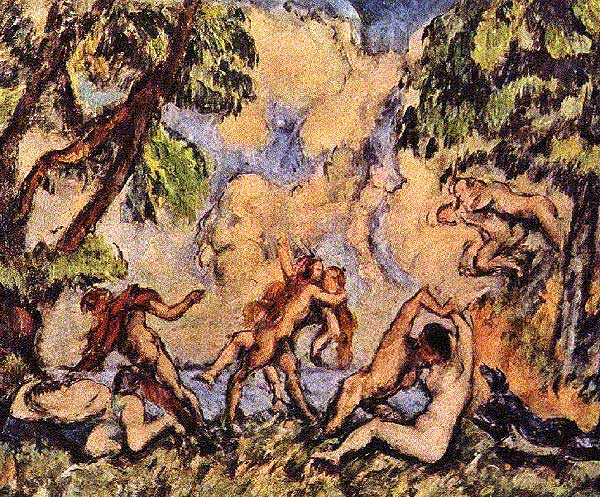
http://www.painterskeys.com/clickbacks/wline.asp, The Bacchanal, 1885, Artist: Paul Cezanne (1839-1906):
http://www.artfact.com/features/artistLot.cfm?iid=mfwABM45, Henri Fantin-Latour (French, 1836-1904), “Tannhauser et V‚nus (Bacchanale),” 1862:
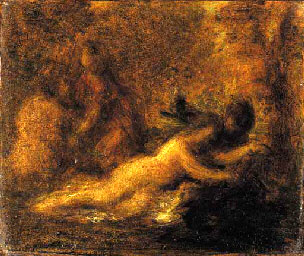
One color:
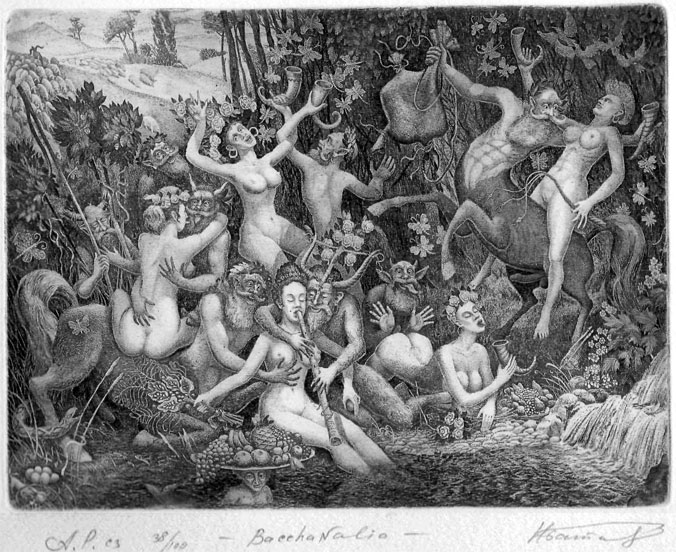
http://www.edition-vogelmann.de/evkunstmarkt.htm, “Bacchanalia”:
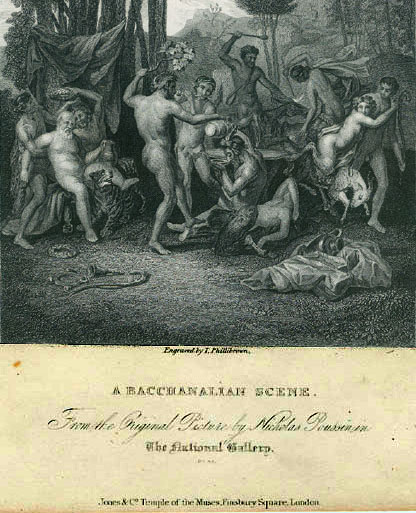
http://homepage2.nifty.com/kanon_antiqueprints/decoration_image/De45_big.JPG (via http://homepage2.nifty.com/kanon_antiqueprints/catalog_decoration.htm), “A Bacchanalian Scene”:
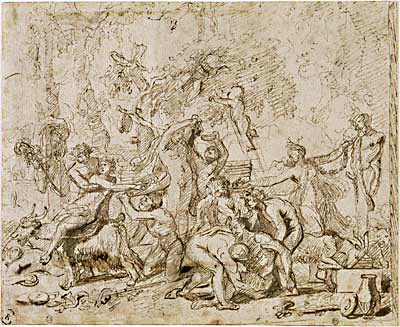
http://www.cndp.fr/magarts/dessin1/DossierImp.htm, “Nicolas Poussin (1594-1665), Bacchanale”:
http://www.artandarchitecture.org.uk/images/gallery/37b9abcf.html, Bacchanal, 17th century, Artist: Raymond doe Lafage:
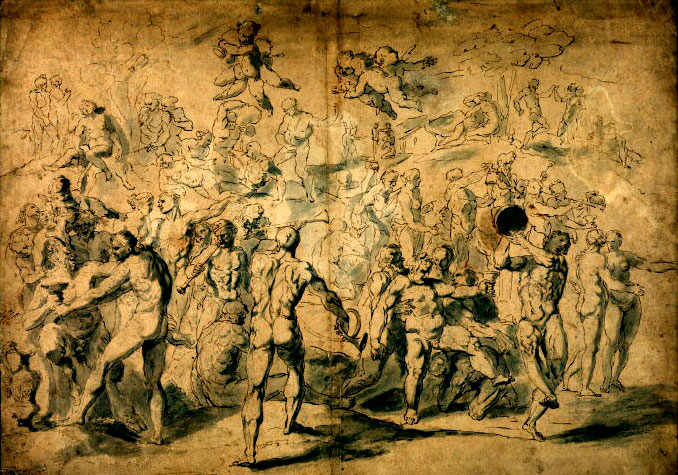
http://www.artandarchitecture.org.uk/images/gallery/abf9ac64.html, Bacchanalian orgy set by a sacrificial altar (recto), 17th century, Artist: Cornelis Schut:
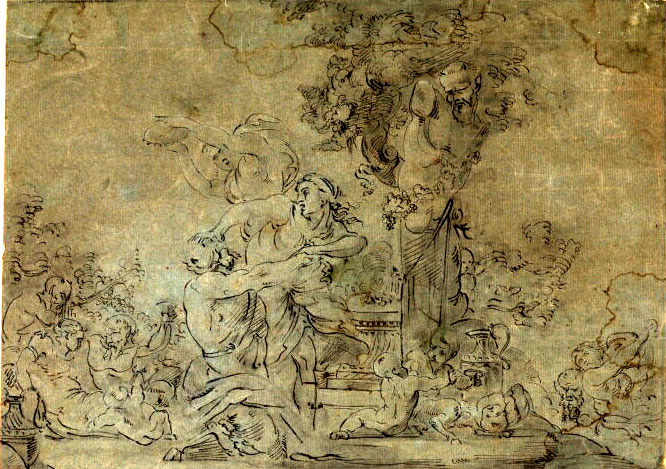
http://www.artehistoria.com/frames.htm?http://www.artehistoria.com/tienda/banco/cuadros/3684.htm, Bacanal [Spanish], Nicolas Poussin, 1633:
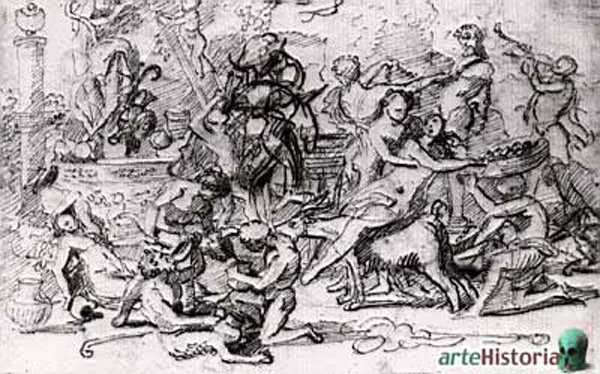
http://www.artehistoria.com/frames.htm?http://www.artehistoria.com/tienda/banco/cuadros/3691.htm, Bacanal [Spanish] ante un templo, Nicolas Poussin, 1635-37:
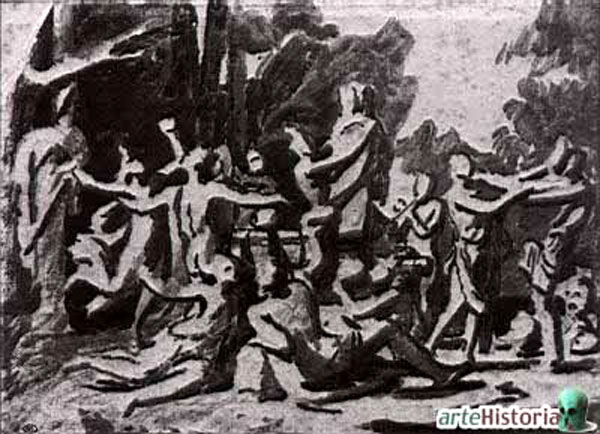
http://www.artehistoria.com/frames.htm?http://www.artehistoria.com/tienda/banco/indices/gal-18.htm, Bacanal [Spanish] ante un templo, Nicolas Poussin, 1635:
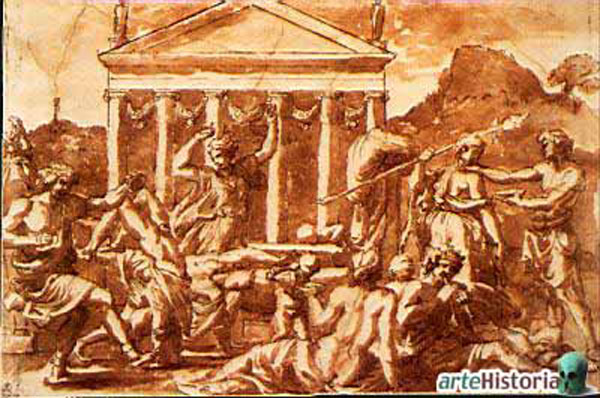
http://www.artehistoria.com/frames.htm?http://www.artehistoria.com/tienda/banco/cuadros/3748.htm, El Triunfo de Pan, 1634:
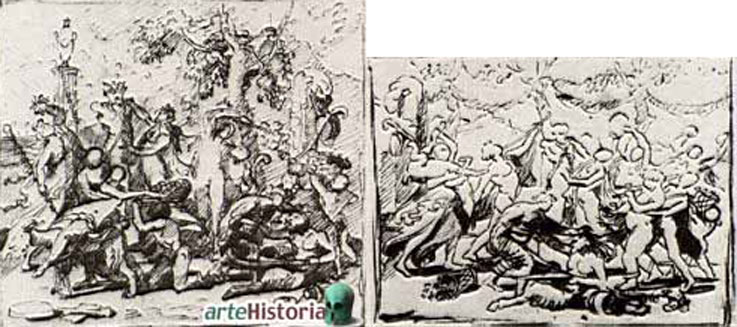
Es uno de los dibujos preparatorios que Poussin realizó para las llamadas "Bacanales (Spanish) Richelieu", hacia 1634, en concreto para El triunfo de Pan
Translated from Spanish:
He is one of the preparatory drawings that Poussin made for the calls "Bacanales [Spanish] Richelieu", towards 1634, in concrete for the Bread triumph.
http://www.abcgallery.com/T/tolstoy/tolstoy16.html, Bacchanalia, 1808:
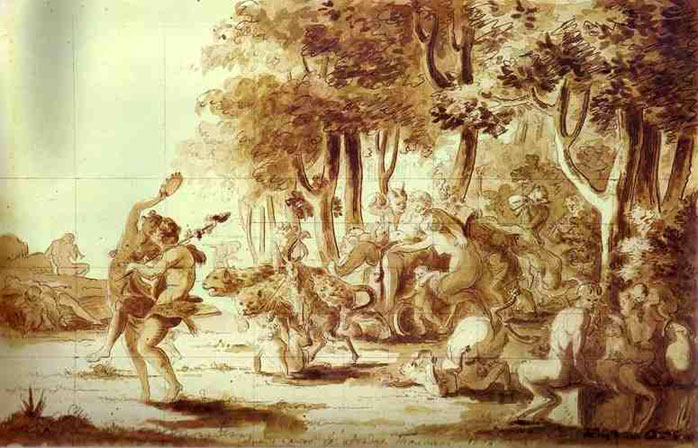
http://www.artandarchitecture.org.uk/images/gallery/7c018a22.html, Bacchanalian dance, 18th century, by John Hamilton Mortimer:
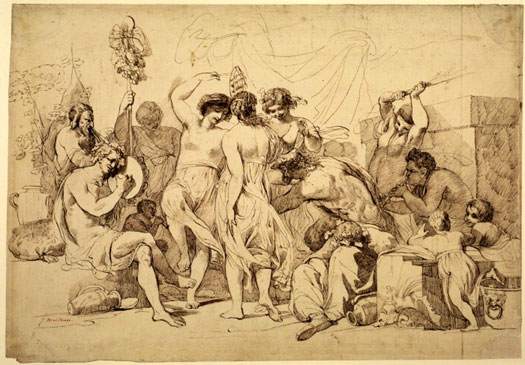
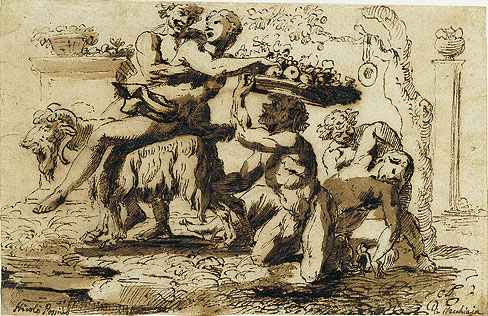
http://www.stylusart.com/contraportada/drawingsmet/obra8.htm, Bacanal [Spanish], ca. 1635-6:
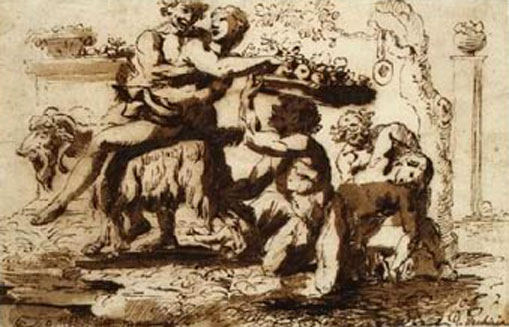
http://www.metmuseum.org/Works_Of_Art/recent_acquisitions/1998/co_rec_eur_1998_225_l.asp, “Bacchanal, ca. 1635-36, Nicolas Poussin”:
http://www.sacred-texts.com/eso/sta/sta06.htm, “The Processional of the Bacchic Rites”:
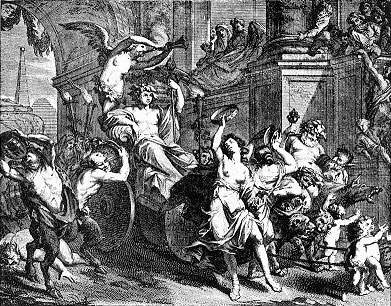
http://www.bellman.net/bacchus.html, Bacchanal med Bacchus, Silenus, satyrer m.fl., “Gravering av okänd konstnär, 1600- eller 1700-talet”:
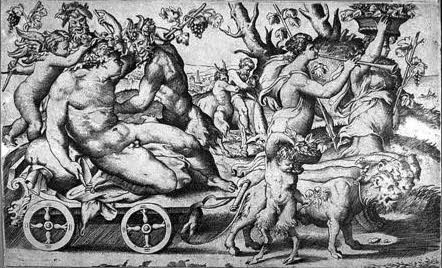
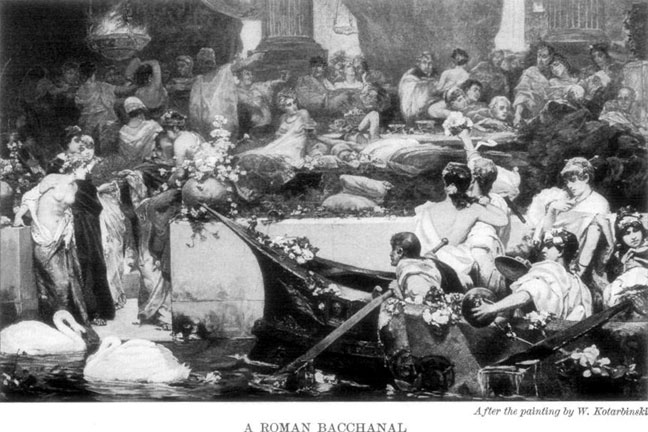
http://www.gutenberg.org/dirs/1/0/4/8/10484/10484-h/Illus0011.jpg (via http://www.gutenberg.org/dirs/1/0/4/8/10484/10484-h/10484-h.htm), A Roman Bacchanal
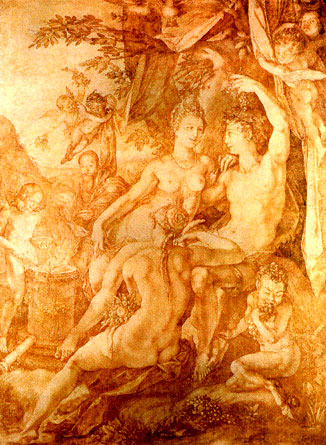
http://www.angelfire.com/la/psique/dioniso.html, Dioniso [Portuguese]:
http://www.artive.arti.beniculturali.it/artenelmito/Baccanali.htm, Baccanali e Bacco, “Baccanale [Italian] in onore di Pan” Sebastiano Ricci:
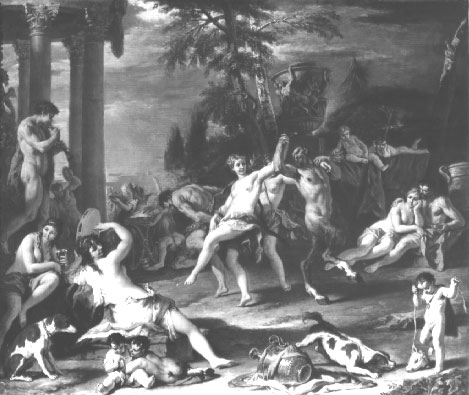
http://www.sataniclust.com/05_01-06/ar_rhythmic_decompression.htm (Lust Magazine), “Dance of the Bacchantes,” Johann J.F. Langenhoeffel, Europe, 1798:
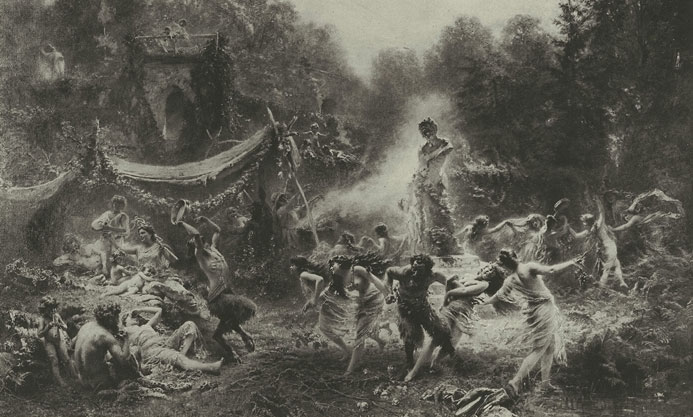
http://columbus.gl.iit.edu/artarch/00194022.html, A Bacchanal, by Constantin Makovsky (Russian), 1893:
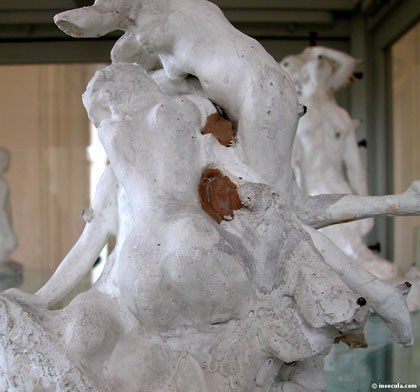
Relief:
http://www.insecula.com/oeuvre/O0014007.html, Bacchantes s'enlaçant surmontées d'un nu féminin ailé, by Auguste Rodin (1840-1917):
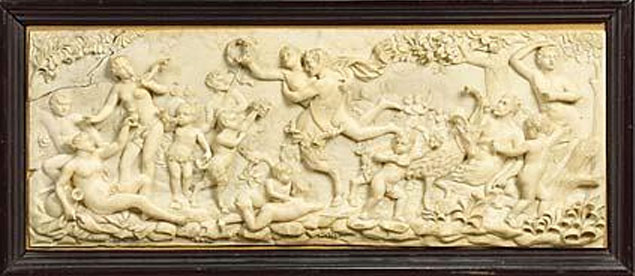
http://www.liveauctioneers.com/auctions/ebay/873204.html, Continental carved ivory bacchanalian panel 19th c:
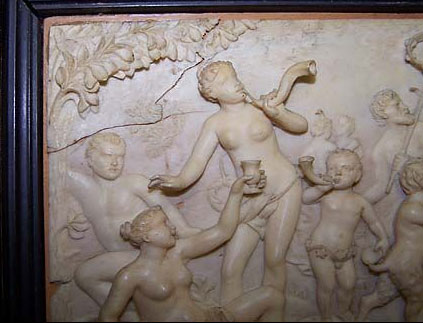
http://www.jennmaur.com/scsubjectindex/19thcentury/19thcentury4.htm, 19th Century, “Wine Bacchanalia” French 1817-?:
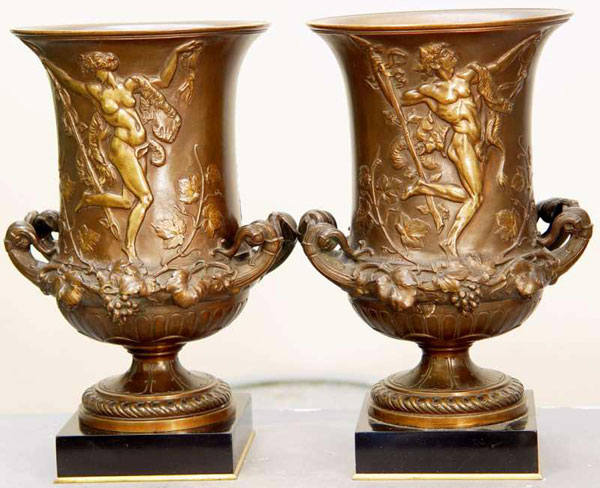
http://antiquecat.davidweatherford.com/antiquecat/images/image_1/969-071b-1.jpg (via http://antiquecat.davidweatherford.com/cgi-bin/antiquecat/00735.html), Bacchanalian Ceramic Pitcher, 19th Century
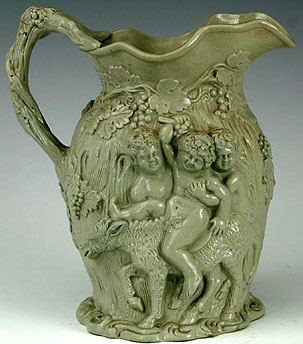
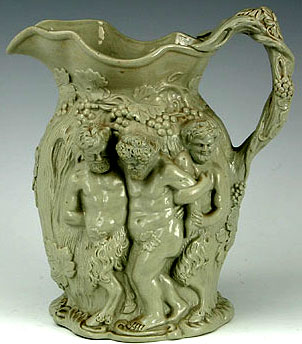
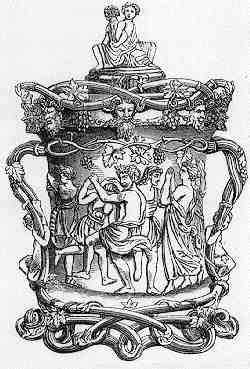
http://www.speel.demon.co.uk/pex/fc01113.jpg (via http://www.speel.demon.co.uk/other/grtexhib.htm), The Great Exhibition of 1851, “Bacchanalian drinking cup by Charles Meigh, Staffordshire”:
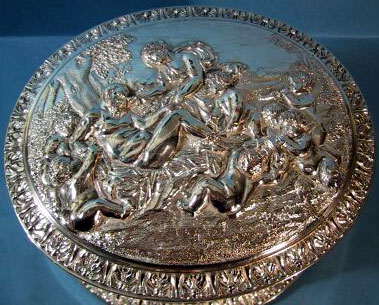
http://www.justinteeantiques.com/catalogue/Archive/37506, Victorian SP Tea Caddy:
A fabulous Victorian silver plated tea caddy decorated with bacchanalian scenes in high relief.
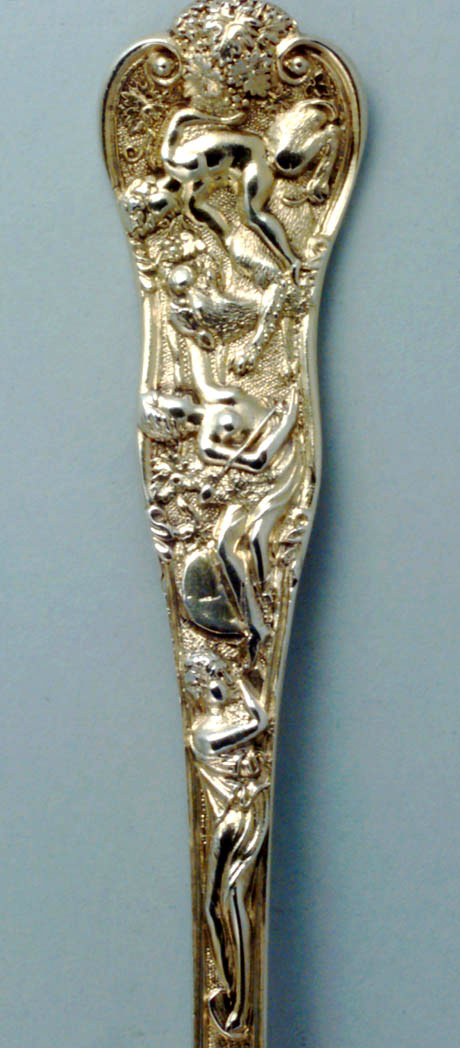
http://www.antique-silver.com/img4/1869b.jpg (via http://www.antique-silver.com/des/1869.htm), Part of Victorian silver-gilt, Bacchanalian pattern serving spoons:
Hallmarked :- London 1877 … The earliest pieces recorded date from 1812 and are in the Royal Collection.
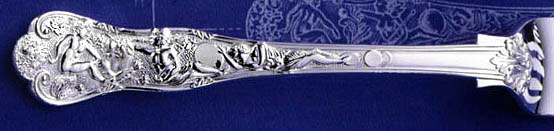
http://www.westernsilver.com/cj_vander_pics/bacchanalian_l.jpg (via http://www.westernsilver.com/cj_vander/bacchanalian_cj_vander.html), Bacchanalian by Wallace (CJ Vander):
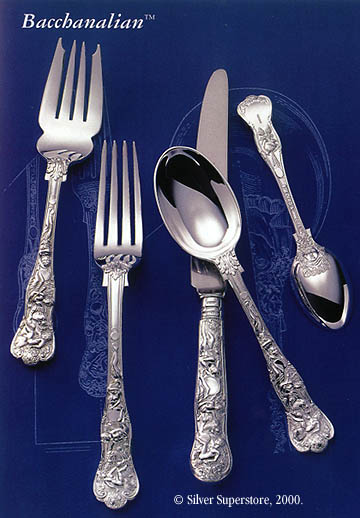
http://www.silversuperstore.com/cj_vander/pix/bacchanalianbig.jpg (via http://www.silversuperstore.com/cj_vander/bacchanalian.html), Bacchanalian Sterling Silver Flatware, Silverware:
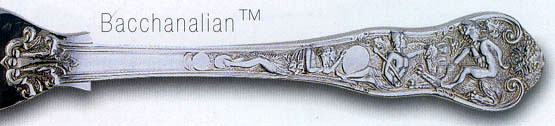
Bacchanalian is a fine Regency design from 1812 designed for Rundell, Bridge, & Rundell for the Royal Collection. The scene is depicted in heavy relief with an elaborate mask on the reverse of the bowl.
http://www.silversuperstore.com/cj_vander/pix/bacchanalian5pcbig.jpg: