EROS IN LATER CHRISTIAN ART
(Miscellaneous)
There were many pagan gods and goddesses, but Eros / Cupid seems to be the one that came to be used extensively in traditional Christian art:
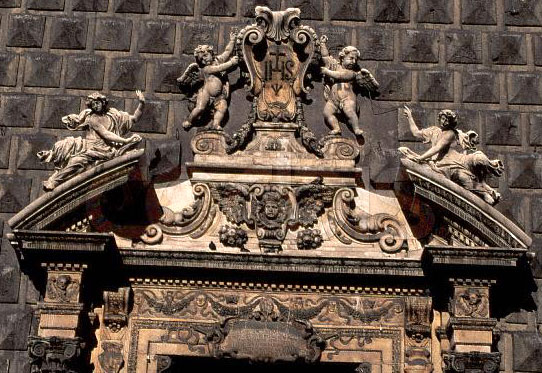
(Note how later Christian art even duplicated Eros’s nakedness):
http://pro.corbis.com/, Search # EG001237, Broken Pediment, Church of Gesu Nuovo (Naples, Italy), ca. 16th century, Christian art:
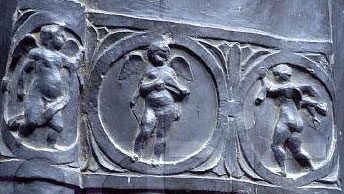
http://pro.corbis.com/, Search # EL004593, Detail of Vestment from St. Daniel from High Altar of St. Anthony by Donatello, Christian art:
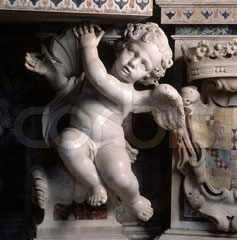
http://pro.corbis.com/, Search # MI003037, Putti Figure from San Domenico Maggiore in Naples, Christian art:
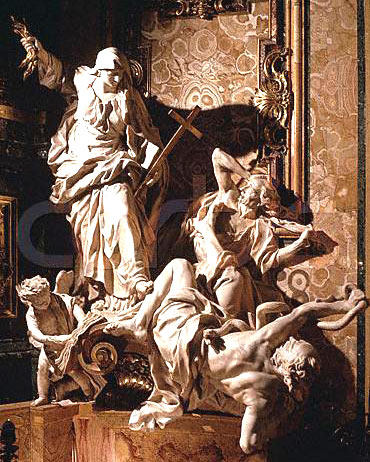
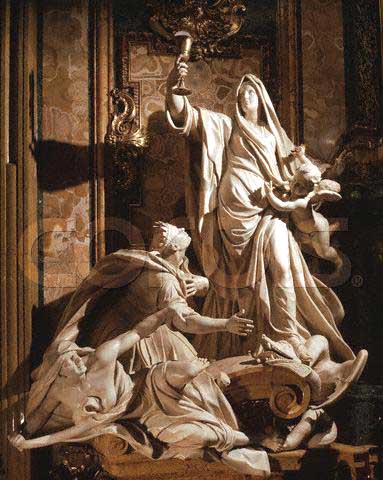
http://pro.corbis.com/, Search # CS004570, Altar of Sant' Ignazio (Gesu, Italy), 1695-1699, Christian art:
http://pro.corbis.com/, Search # CS004565, Altar of Sant' Ignazio (Gesu, Italy), 1695-1699, Christian art:
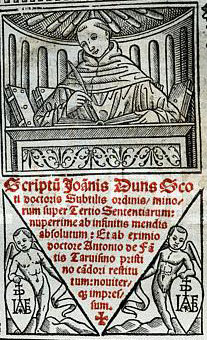
http://pro.corbis.com/, Search # CS009523, Title Page of a 1517 Publication of a Theological Work by John Duns Scotus, Christian art:
http://pro.corbis.com/, Search # AH001549, Cherub And Gibbons on St Paul's Cathedral, London, Christian art:
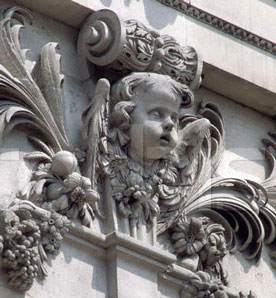
A cherub by grinling gibbons on the west end of the north facade of St Paul's Cathedral, London. The cathedral was designed by Sir Christopher Wren, (1675-1710) after the Great Fire.
http://pro.corbis.com/, Search # DE003948, Tomb of Cardinal Paolo Sfondrati by Stefano Maderno, Christian art:
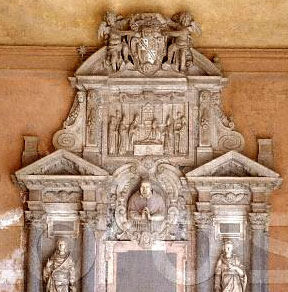
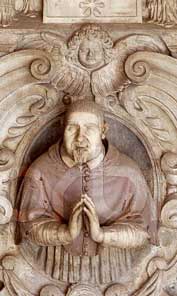
http://pro.corbis.com/, Search # DE003947, Detail Showing the Cardinal in Prayer from the Tomb of Cardinal Paolo Sfondrati by Stefano Maderno, Christian art:
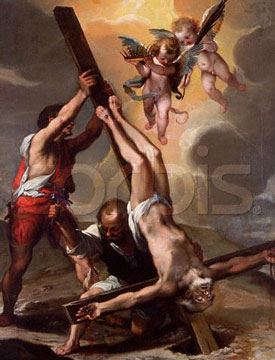
http://pro.corbis.com/, Search # DE003652, Crucifixion of Saint Peter by Ventura Salimbeni, 16th-17th century, Christian art:
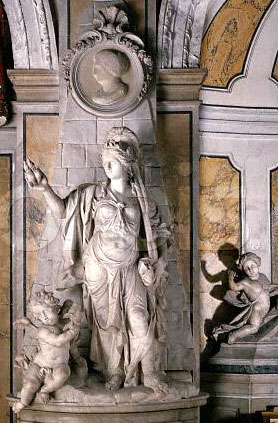
http://pro.corbis.com/, Search # DE003503, Statue of Minerva and Cupid (?) by Persico Paolo, Located at: Cappella di Santa Maria Della Pieta dei Sangro, 18th century, Christian art:
For all you faithful, this is just not a great outline of Eros:

Nor does this happy couple have it (those are ears, not wings):

 No, that’s
not Eros (neither one).
No, that’s
not Eros (neither one).
http://pro.corbis.com/, Search # DE003491, The Rule of the Self by Francesco Celebrano, Located in: Cappella di Santa Maria Della Pieta dei Sangro (Sansevero Chapel, Naples, Italy), ca. 1729-1814, Christian art:
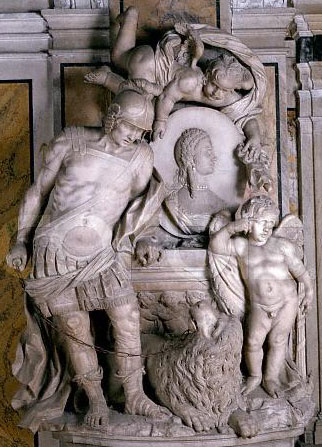
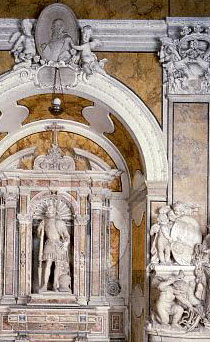
http://pro.corbis.com/, Search # DE003492, Funerary Monument by Giacomo Lazzari, Located in: Cappella di Santa Maria Della Pieta dei Sangro (Sansevero Chapel, Naples, Italy), 18th century, Christian art:
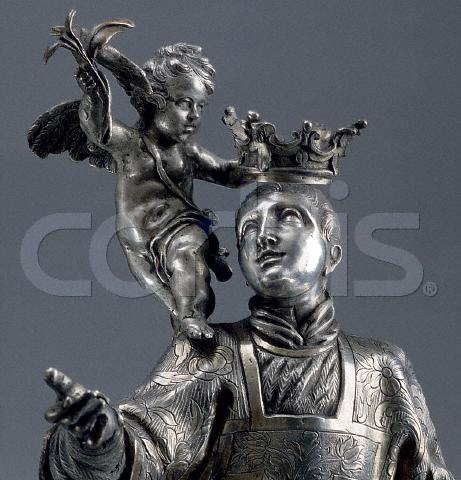
http://pro.corbis.com/, Search # MI002047, Sacred Silver Neopolitan Statue of Saint Lawrence, Christian art, Cherub:
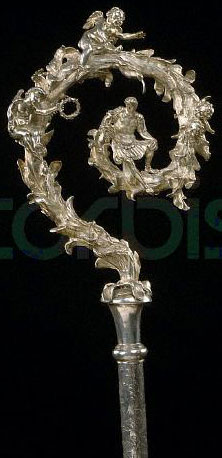
http://pro.corbis.com/, Search # EL004826, Pastoral Staff with Figures of Cherubium, Seraphim and Archangel Michael, Date Created: ca. 15th century, Christian art, Cherub:
http://pro.corbis.com/, Search # DL001102, Razionale, Christian art:
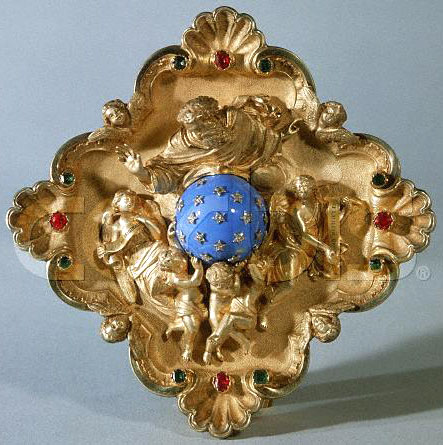
In the centre of this razionale is a blue enamel globe decorated with stars of diamonds. The globe is held by three cherubs and two angels, over which a godhead [?] looks. The edge of the piece is studded with garnets and emeralds. On the back the coat of arms of Pius IX and the date July 16, 1871 and the motto 'Sine late originali - non deficit fides".
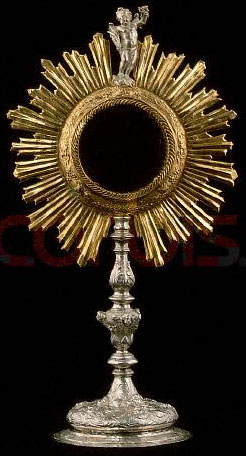
http://pro.corbis.com/, Search # EL006913, Gold and Silverwork Renaissance Reliquary, Christian art:
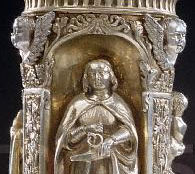
http://pro.corbis.com/, Search # EL006301, Detail of Hope from a Renaissance European Gold and Silverwork Reliquary with the Four Evangelists, Christian art:
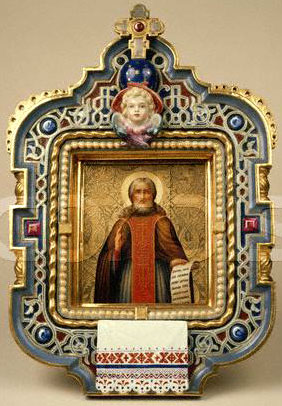
http://pro.corbis.com/, Search # HM001216, Icon of St. Sergius of Radonezh by Ivan Kholshevnikov, Date Created: 1881, Christian art:
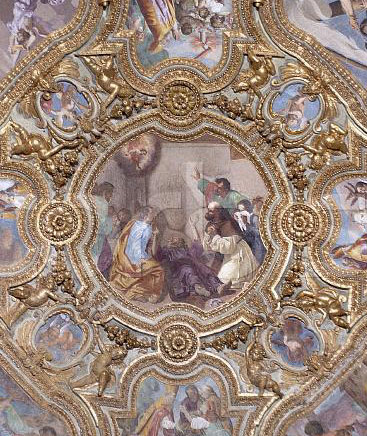
http://pro.corbis.com/, Search # MI003059, Ceiling Painting in the Certosa di San Martino, ca. 1623-1631, Christian art:
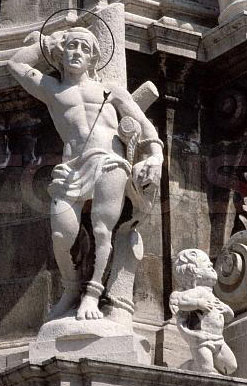
http://pro.corbis.com/, Search # EL001209, Detail of Architectural Sculpture on Matthias Church, Budapest, Christian art:
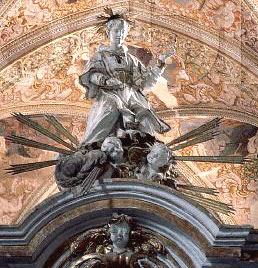
http://pro.corbis.com/, Search # MI001677, Ceiling and Choir Screen in the Church of Certosa di San Lorenzo at Padula, Christian art:
http://pro.corbis.com/, Search # AW011995, Detail of Organ Statuary in the Abbey Church at Wilhering, Austria, Christian art:
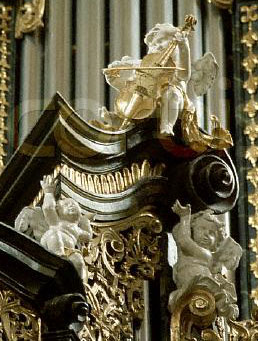
Cherubs, one playing a gilded cello, embellish the main organ in the Abbey Church at Wilhering, in Upper Austria. The church, founded in the 12th century, was rebuilt in 1733.
http://pro.corbis.com/, Search # DE003502, Religious Zeal by Fortunato Onelli, Christian art:
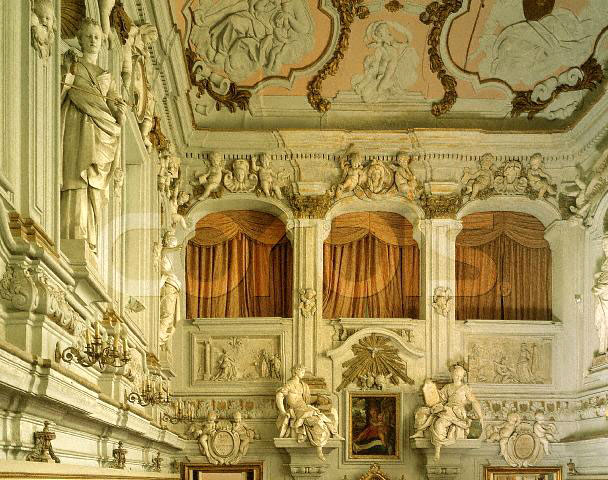
http://pro.corbis.com/; Search # AJ002031; Interior of the Oratorio di Santa Caterina d'Alessandria with Sculptural Program by Procopio Serpotta; Palermo, Italy; Christian art:
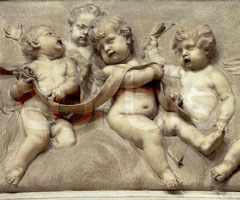
http://pro.corbis.com/, Search # MI002530, Italian Renaissance Relief Depicting Coronation by Putti, Located in: Chiesa Dei S.S. Apostoli, ca. 1450-1599, Christian art:
For all you skeptics out there, could this be the image to follow in Christian art?

Some might disagree, but this doesn’t really look like the god of love:
 … Maybe.
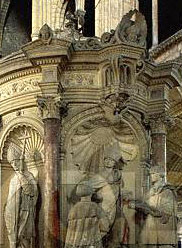
http://pro.corbis.com/, Search # VU002614, Tomb of Saint Remi in the Basilica of Saint-Remi (Reims, France), 1007-1049, Christian art:
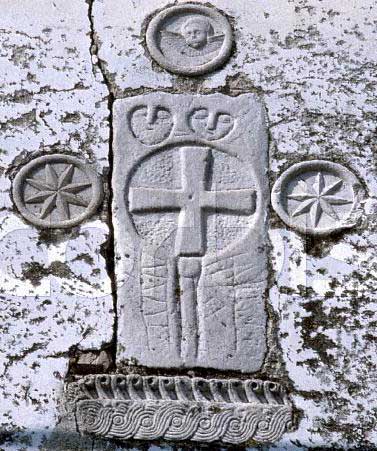
http://pro.corbis.com/, Search # EL003138, Early Christian Relief in the Wall of a Parish Church in Italy, Christian art:
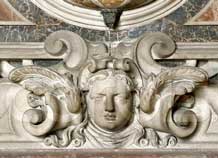
http://pro.corbis.com/, Search # DE004076, Detail of a Relief on Funeral Monument, Cappella Sansevero, Christian art:
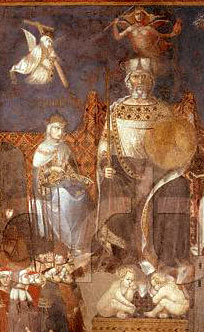
http://pro.corbis.com/, Search # CS004519, Detail Showing Allegorical Figures from The Allegory of Good Government by Ambrogio Lorenzetti, Located in: Sala della Pace, Palazzo Pubblico, Siena, Italy, 1338-1340, Christian art:
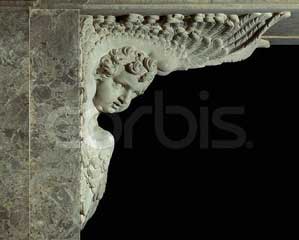
http://pro.corbis.com/, Search # DE006880; Marble Architrave with Cherub by Salomone Gaetano; Located in: Caserta Palace, Italy; 18th century; Christian art:
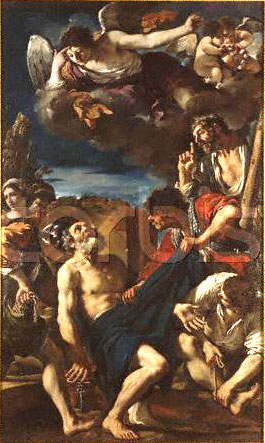
http://pro.corbis.com/, Search # AV004184, The Martyrdom of Saint Peter by Guercino, 1618, Christian art:
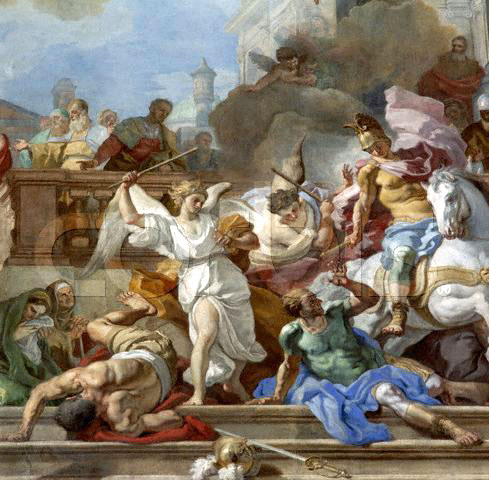
http://pro.corbis.com/, Search # MI003344, Detail from Heliodorus Driven from the Temple by Francesco Solimena, 1725, Christian art:
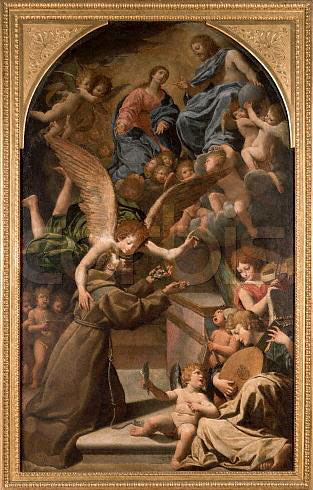
http://pro.corbis.com/, Search # AV003714, Ecstasy of Saint Francis by Lionello Spada, Christian art:
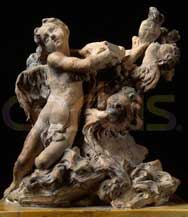
http://pro.corbis.com/, Search # DE003911, Choir Candlestick Sculpture with Cherubs by Filippo Parodi, ca. 1630-1702, Christian art:
http://pro.corbis.com/, Search # EG001701, Marble Tomb in the Chapel of Christian V, Roskilde Cathedral, Christian art:
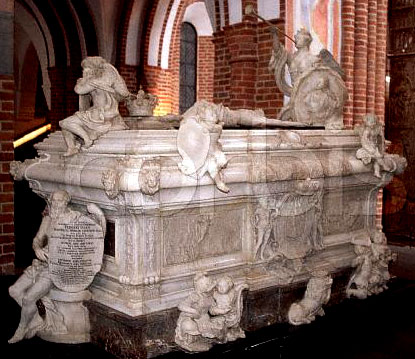
The cathedral at Roskilde, in Denmark, contains the tombs of some 38 Danish kings and queens.
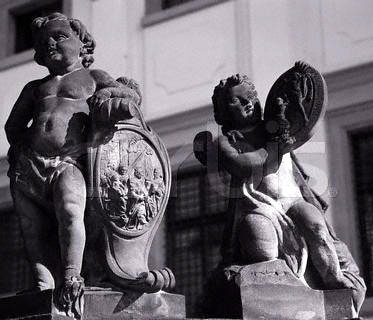
http://pro.corbis.com/, Search # CB052748, Statues Adorning Loreto Church, 18th century, Christian art:
http://pro.corbis.com/, Search # MI003341, Collection of Reliquaries at Gesu Nuovo in Naples, Christian art:
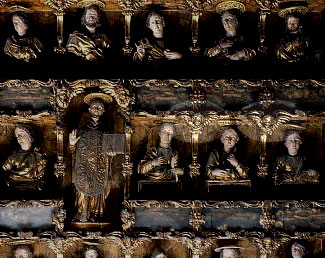
http://pro.corbis.com/, Search # AL008858, Altar in Durnstein Church, Christian art:
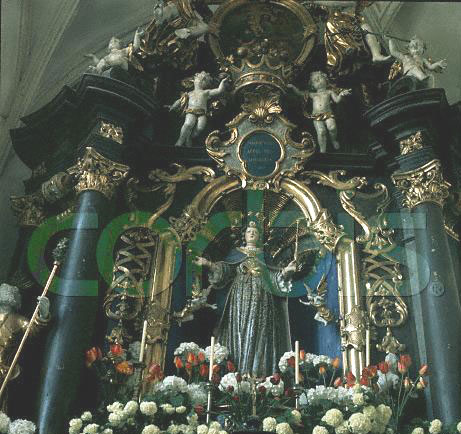
The altar in the parish church in Durnstein, in the Lower Austria region of Austria.
http://pro.corbis.com/, Search # HG001912, Cherubs From Rococo Basilica, Germany, Christian art:
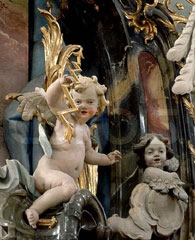
Cherubs sit in an alcove within the interior of a Rococo Basilica, Ottobeuren, Germany
http://pro.corbis.com/, Search # HG001907, Cherub from Rococo Basilica, Germany, Christian art:
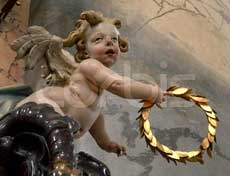
A sculpture of a cherub adorns a column within the interior of a Rococo Basilica, Ottobeuren, Germany.
http://pro.corbis.com/, Search # HG001913, Cherub From Rococo Basilica, Germany, Christian art:
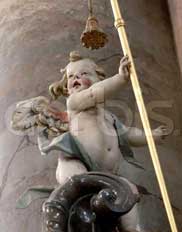
A sculpture of a cherub adorns a column within the interior of a Rococo Basilica, Ottobeuren, Germany.
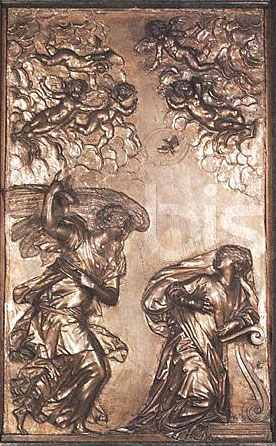
http://pro.corbis.com/, Search # MA03618A, Italian Renaissance Relief Depicting the Annunciation, Christian art:
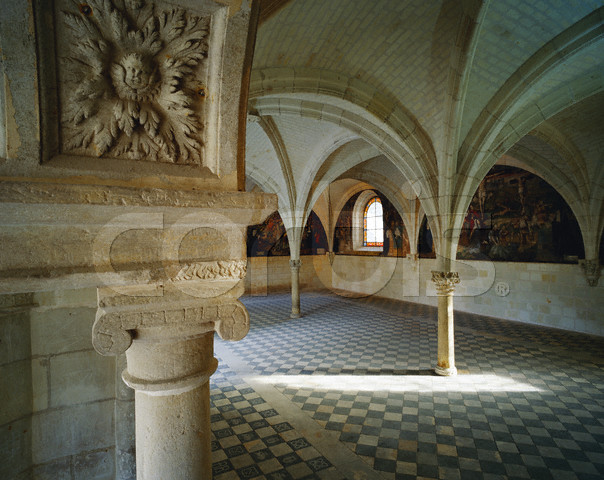
http://pro.corbis.com/; Search # VU004935; Interior View of Capitulation Room at Fontevrault Abbey; Date Created: 1110-1119; Anjou, France; Christian art, Church, Cherub:
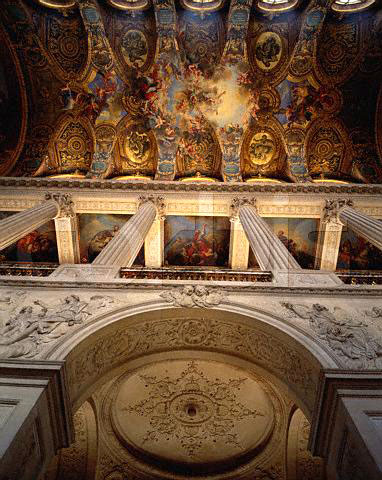
http://pro.corbis.com/, Search # VU003126, Ceiling Paintings in Chapelle Royale by Antoine Coypel, Date Created: ca. 1681-1722, Christian art:
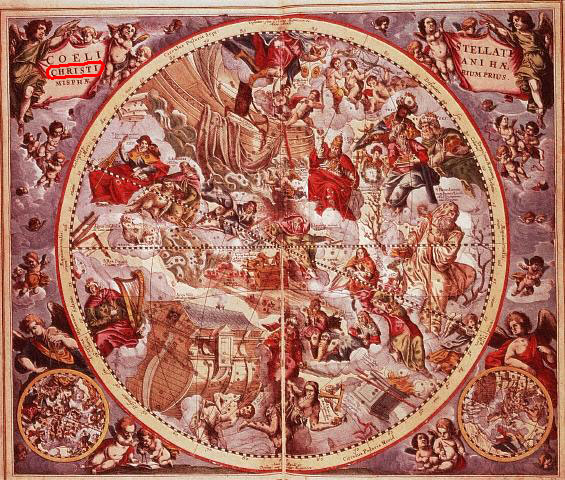
http://pro.corbis.com/, Search # CS007866, Old Testament Constellations Plate of the Harmonia Macrocosmica Atlas, Located in: Biblioteca Central, 1661, Christian art:
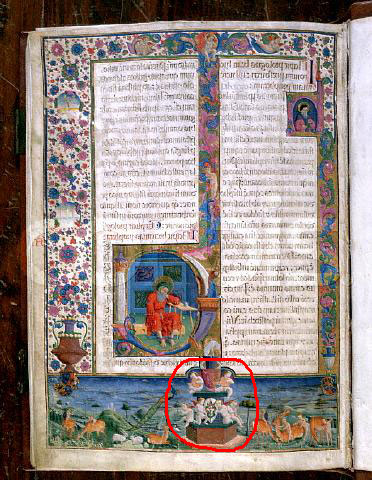
http://pro.corbis.com/, Search # DE001658, Page from Illustrated Manuscript Depicting Saint Augustine, Christian art:
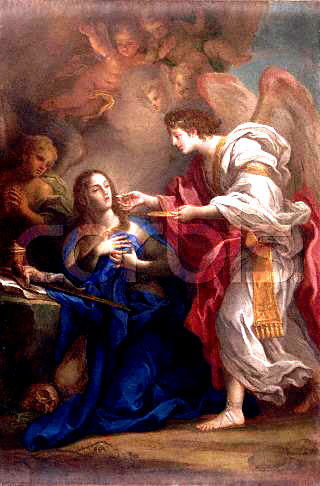
http://pro.corbis.com/, Search # AV004054, Communion of Saint Mary Magdalene by Sebastiano Conca, Christian art, Cherubs:
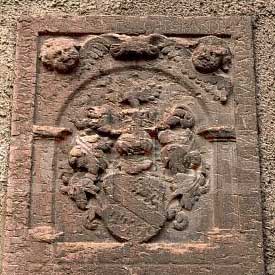
http://pro.corbis.com/, Search # EG001795, Sculptured Plaque at St. Michael's Church, Kosice, Christian art:
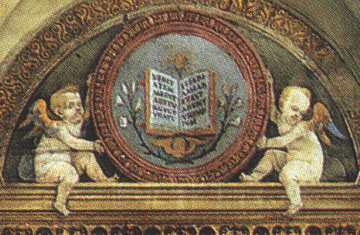
Art and Archaeology of Rome: From Ancient Times to the Baroque, Augenti, 2000, pp. 118-119, “Renaissance Rome | The Carafa Chapel in Santa Maria sopra Minerva”:
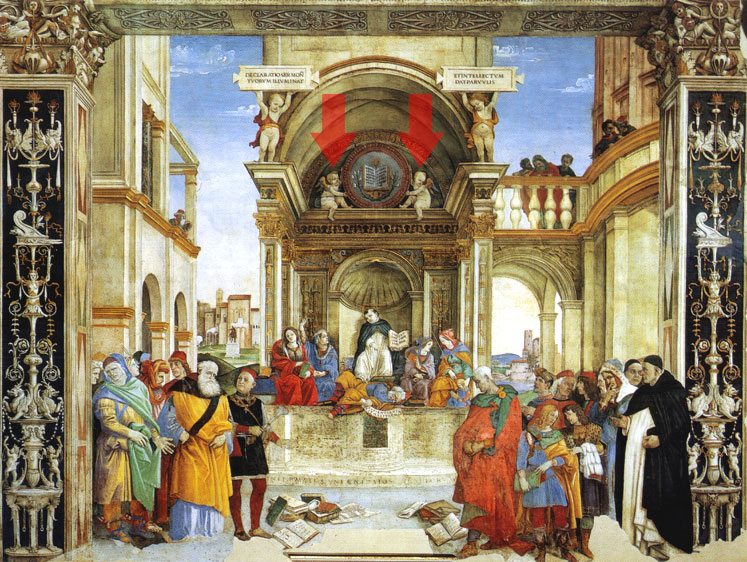
Enlargement:
Art and Archaeology of Rome: From Ancient Times to the Baroque, Augenti, 2000, p. 125, “Renaissance Rome | Julius II (1503-13)”:
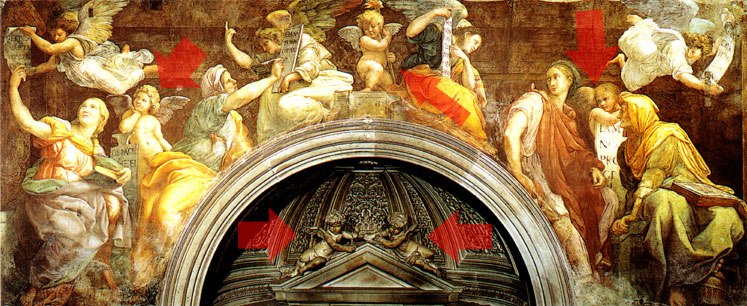
For all you skeptics out there, regardless of what your pastor will tell you, here’s an example of what Eros does not look like:
Nor is this him:
 … Can’t
tell.
… Can’t
tell.
Art and Archaeology of Rome: From Ancient Times to the Baroque, Augenti, 2000, p. 122, “Renaissance Rome | Santa Maria del Popolo”:

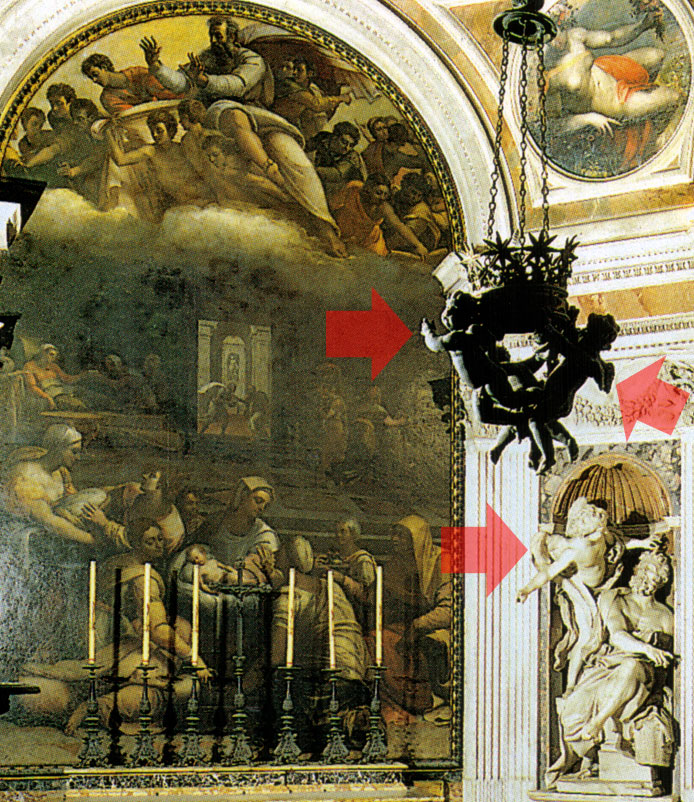
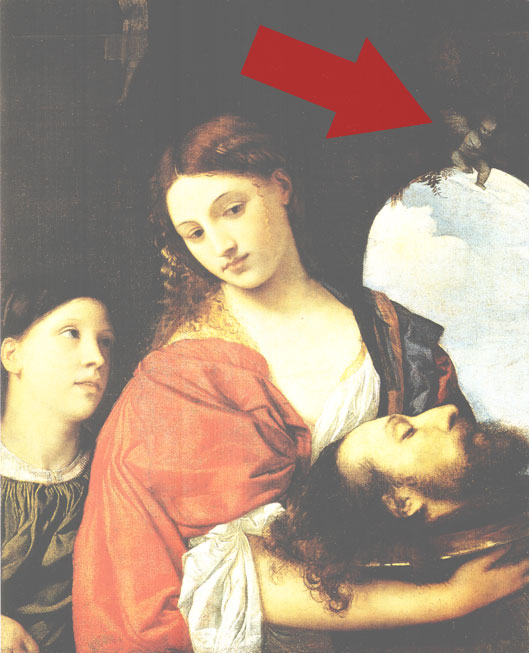
Art and Archaeology of Rome: From Ancient Times to the Baroque, Augenti, 2000, p. 217, “Salome with the Baptist’s Head”:

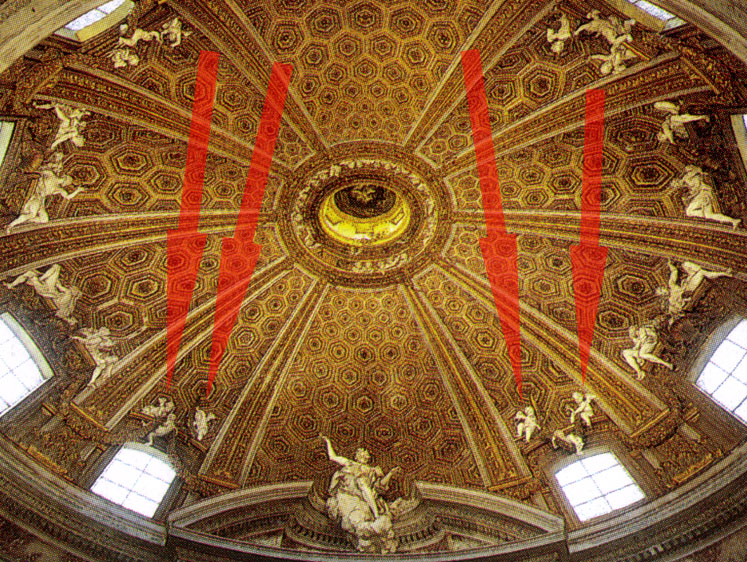
Art and Archaeology of Rome: From Ancient Times to the Baroque, Augenti, 2000, p. 202, “Gian Lorenzo Bernini’s dome”:

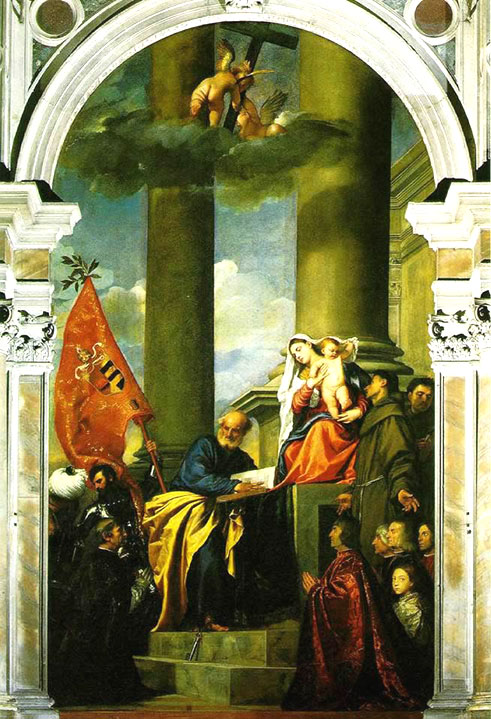
http://www.lyons.co.uk/Titian/bigh1/Pesaro.htm, The Pesaro Altarpiece, 1519-26:
Santa Maria Gloriosa dei Frari, Venice
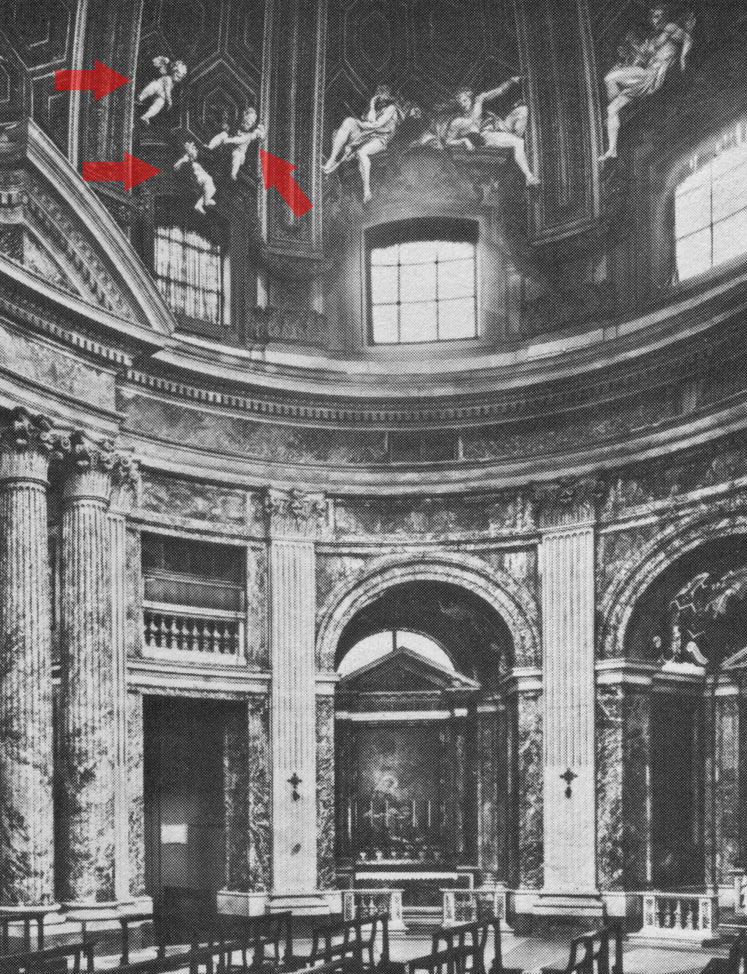
Art: An Introduction, Cleaver, 1972, p. 233, figure 15-11, “Baroque Art: 1600-1700 | Interior of Sant’ Andrea al Quirinale” (1658-1670):
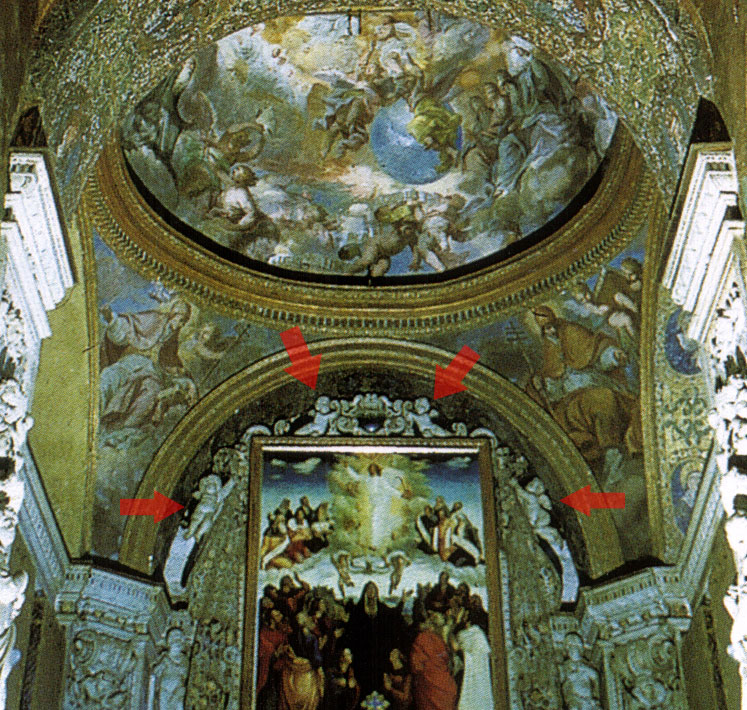
Byzantium: From Antiquity to the Renaissance, Mathews, 1998, pp. 106-107, figure 82, “Santa Maria dell’ Ammiraglio (the martorana)”:
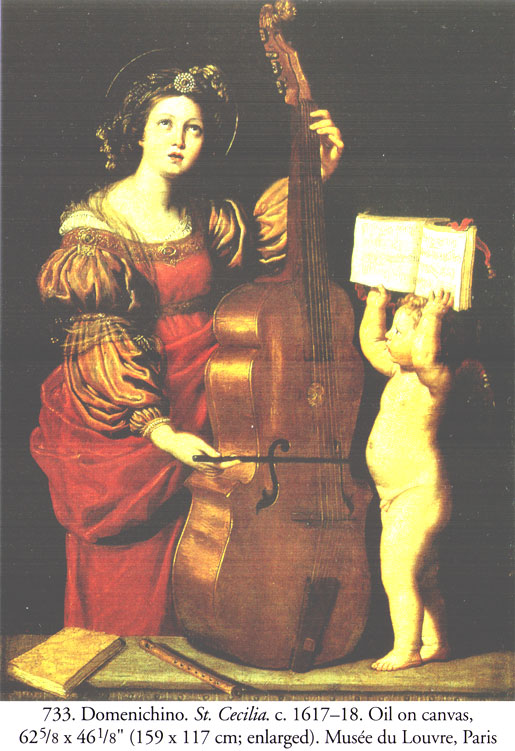
History of Art, Janson, 1997, p. 555, figure 733, “St. Cecilia. c. 1617”:
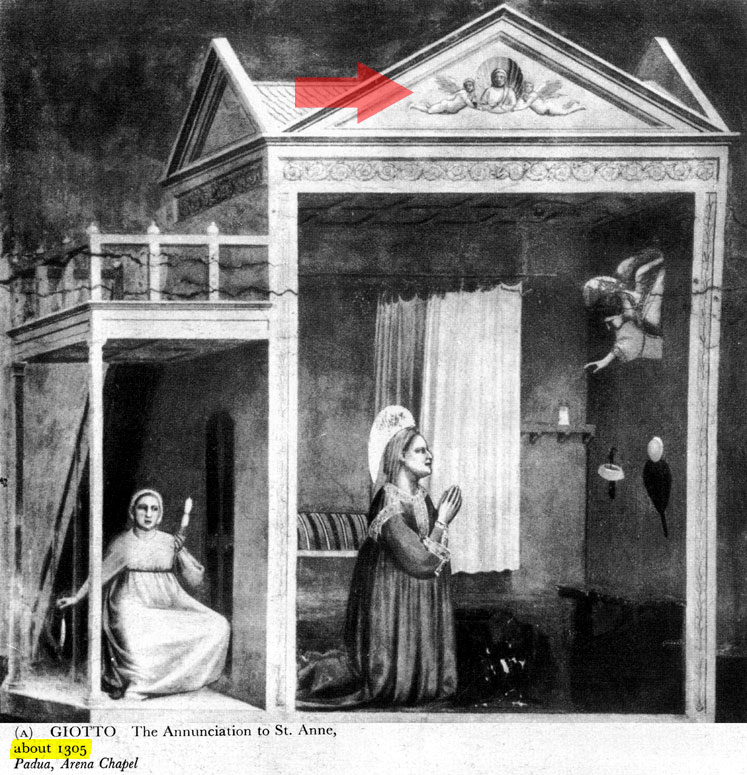
Origins of Western Art, Dr. Donald E. Strong, 1965, p. 84, “The Annunciation to St. Anne”:
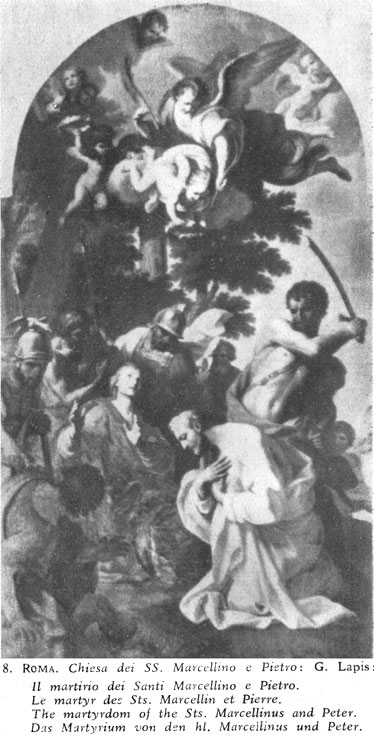
SS. Marcellino e Pietro: La Chiesa e la Catacomba (Italian: Saints Marcellino and Peter: The Church and the Catacomb), Cecchelli / Persico, 1938, p. 44, figure 8:
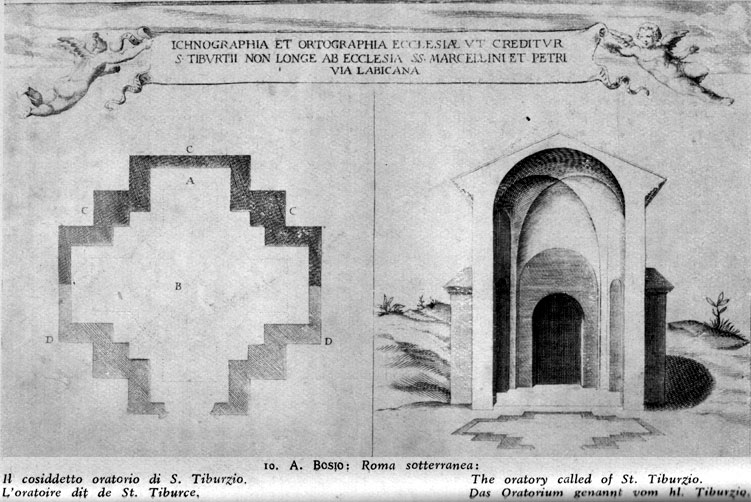
P. 74, figure 10:
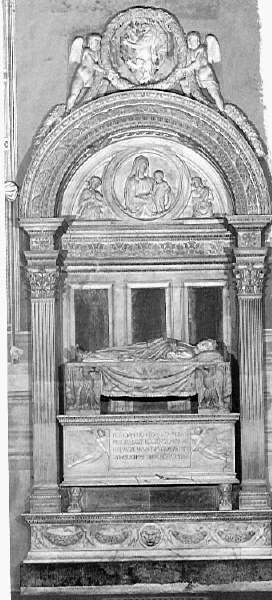
http://groups.msn.com/InasAlkholyforfinearts/arthistory2.msnw?action=ShowPhoto&PhotoID=282, Rosselino, Tomb of Leonardo Bruni:
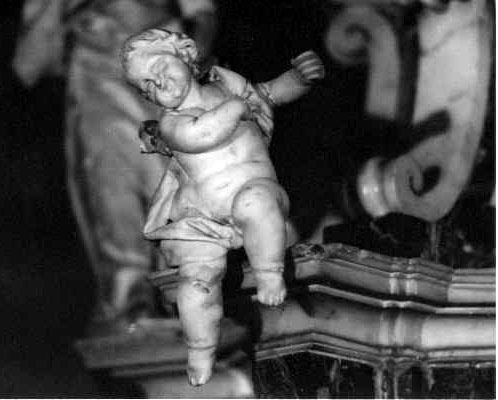
http://www.parrocchiabassano.net/Notiziario/2004/aprile-sett/aprile-sett.htm, Furto nella Parrocchiale: Uno degli angioletti rubati nella chiesa parrocchiale nell’agosto di quest’anno (Translated from Italian: Theft in the Parochial one: One of the angioletti steals to you in the parochial church in August of this year):
For more of you skeptics out there, here’s an example of what Eros does not look like:

I don’t think any of these got him right either (but nice try):
 … Maybe.
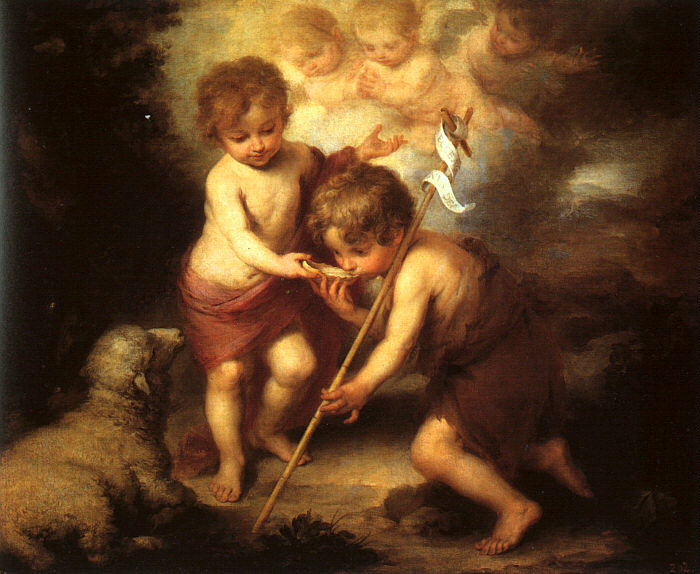
http://www.artunframed.com/images/artmis55/murillo42.jpg (via http://www.artunframed.com/murillo.htm), Bartolome Esteban Murillo, “The Holy Children with a Shell, 1678:
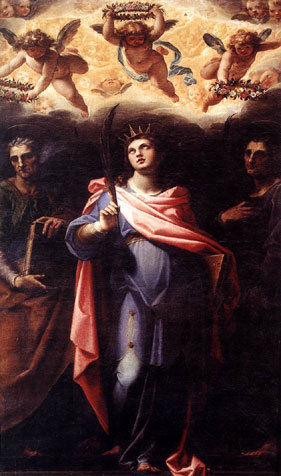
http://www.wga.hu/frames-e.html?/html/p/pomaranc/domitill.html, Pomarancio, “St Domitilla with Sts Nereus and Achilleus, c. 1598-99”:
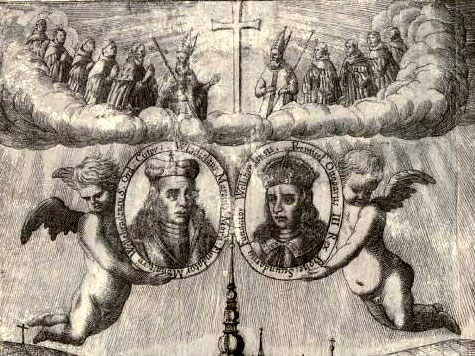
http://dig.vkol.cz/dig/mii236/0009x.htm, Feriae Christiano-Bacchanales item Feria quarta Cinerum serio-poenitentialis:
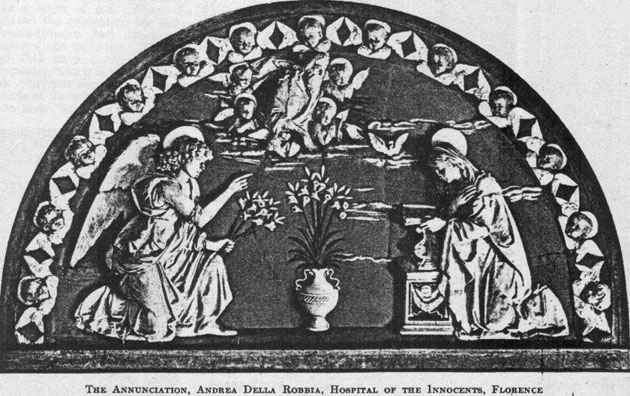
It’s hard to imagine that the Renaissance church wasn’t aware of the similarity between Eros and the said characters in their earlier art. Therefore, I’m guessing instead of trying to destroy all the earlier Christian / Eros art (which apparently the East did), they instead just attempted to remove the sex out of Eros’s “love” definition, by using him abundantly in art, to overshadow the pagan images / thought, again to redefine; similar to the way the sex was removed from agape. And, true, my “educated” mind can’t see any threats against the church in all these angel look-alikes; but, it doesn’t take too many steps thinking outside the box to realize the correlation.
The Catholic Encyclopedia, 1907, Vol. 2, p. 342, “Bas-relief”:
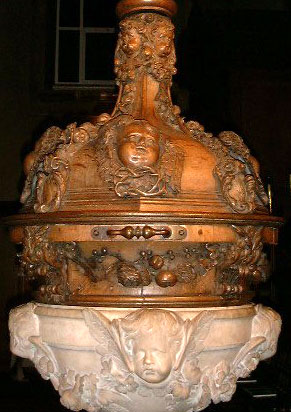
http://www.allhallowstwick.org.uk/interior.htm, Welcome to All Hallows Parish Church, Twickenham (London, England), “King Tour”:
Other Christian symbols abound, such as the Α and Ω, which, as the first and last letters of the Greek alphabet, mirror Christ’s statement that he was the beginning and the end. Note also the painting of the Agnus Dei, the Lamb of God, carrying the banner of St George. Throughout the carving are the motifs of fruit and flowers, as well as cherub heads, which repeat throughout the church carvings.
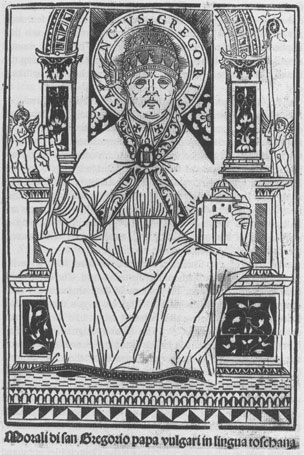
The Dark Side of Christian History, Ellerbe, pp. 48-49, “4.3 St. Gregory the Great, Pope from 590-604”:
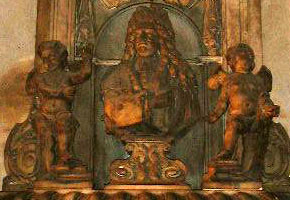
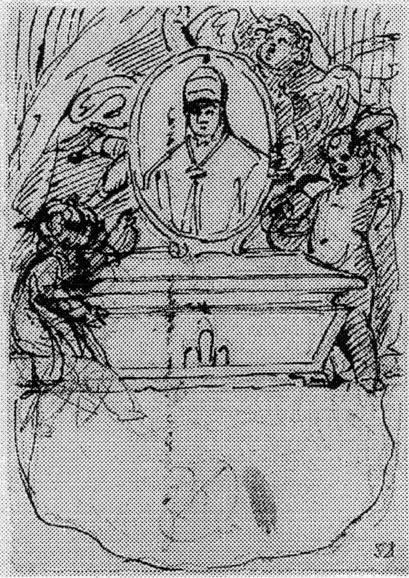
http://www.nd.edu/~italnet/AMBROS/images/O/3597.sm.jpeg (via http://www3.nd.edu/italnet/AMBROS.sh?keys=Papal [University of Notre Dame]) (5-28-02), ItalNet: Ambrosiana Search Report, “Giacomo Zoboli, Design for a Tomb of Pope Clement XI [1649-1721] Albani”:
A cherubim holds an oval with a portrait bust of the pope over a sarcophagus. A putto kneels on the left side of the sarcophagus, and another putto stands on the right side. Both hold back drapery.:
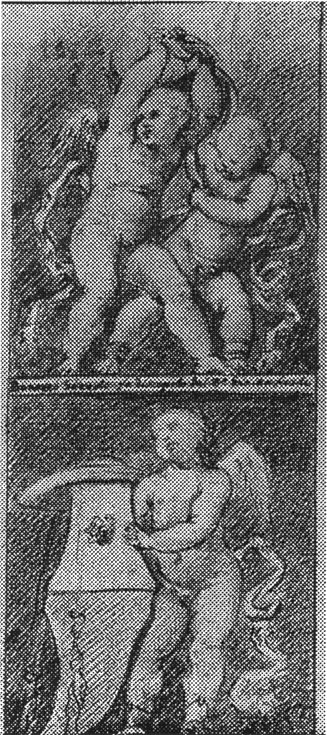
http://www.nd.edu/~italnet/AMBROS/images/B/337.sm.jpeg (via http://www3.nd.edu/italnet/AMBROS.sh?keys=Ecclesiastics) [University of Notre Dame] (5-28-02), ItalNet: Ambrosiana Search Report, “Unknown Artist, Two Putti; A Putto with a Cardinal’s Emblems”:
Top, two putti play with ribbons. At the bottom, a standing putto supports a coat of arms with a cardinal’s hat on top.:
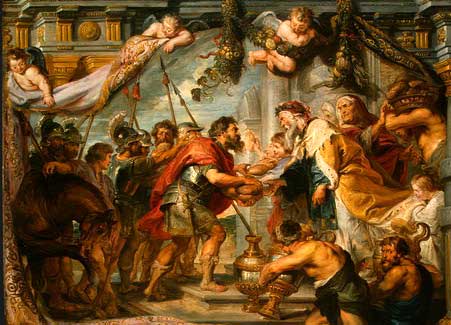
http://www.nga.gov/collection/gallery/gg45/gg45-45357.0.html, The Meeting of Abraham and Melchizedek, c. 1625, Christian art:
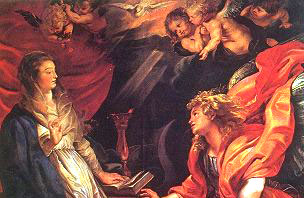
http://www.excelsiordirect.com/annunc.htm, Rubens: The Annunciation, Christian art:
Vatican (misc.):
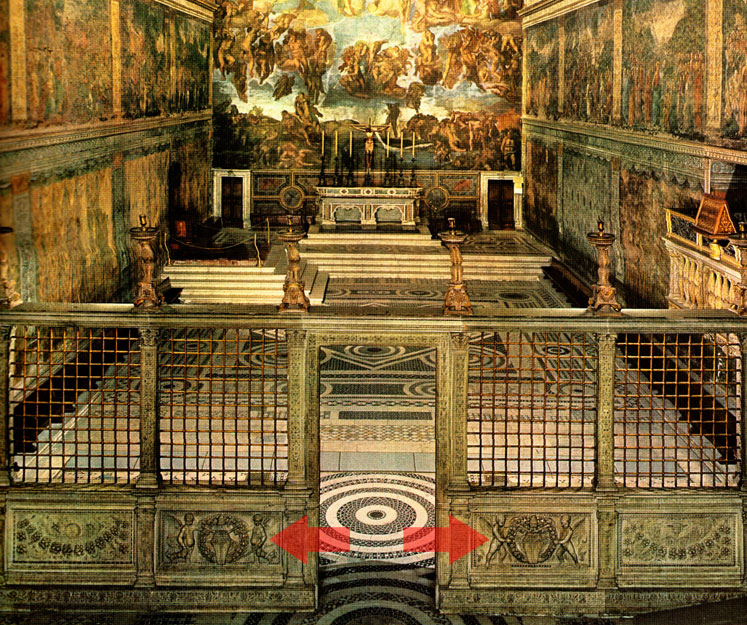
Vatican Museums, Rome, Newsweek, 1968, pp. 62-63, “Sistine Chapel”:
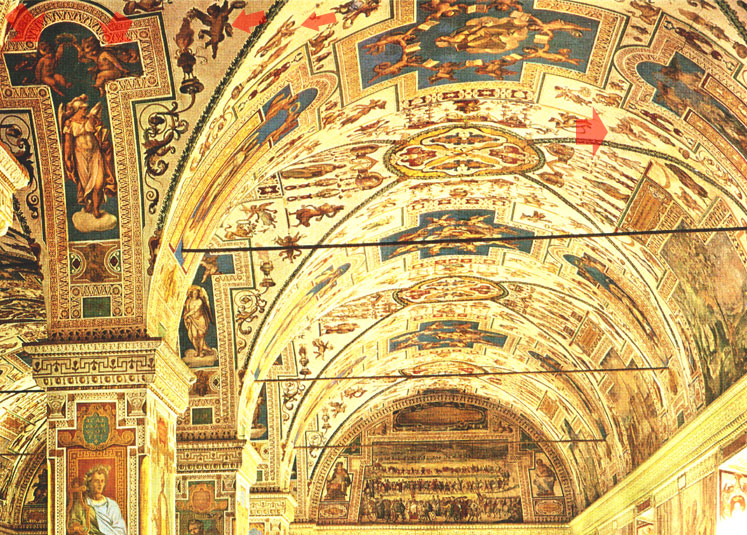
Vatican Museums, Rome, Newsweek, 1968, frontispiece (opposite title page):
http://pro.corbis.com/, Search # DL001687, A Filarete Door Panel at Old Saint Peter's, Rome, Date Created: ca. 1433-1445, Christian art, Cherubs:
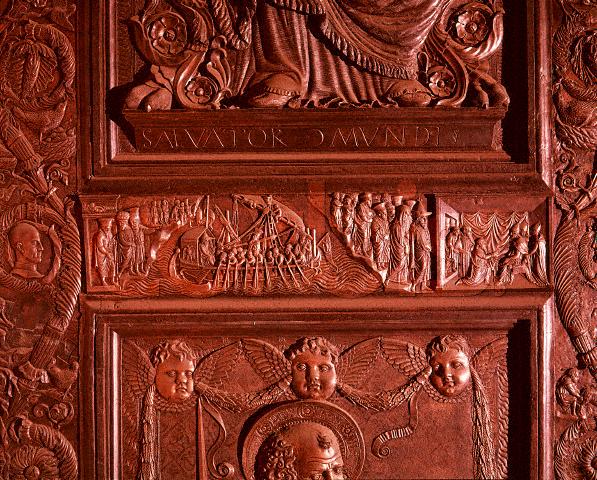
Detail from a panel from the bronze doors of Old Saint Peter's depicting the life of Saint Peter. The artist was Antonio Filarete (c. 1400-1469), a Florentine sculptor, architect and theorist.
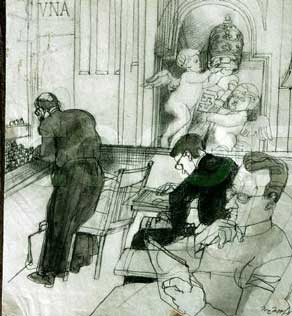
http://pro.corbis.com/, Search # FM001884, Theologians Observe at the Vatican Council II by Franklin McMahon, 1962, Christian art:
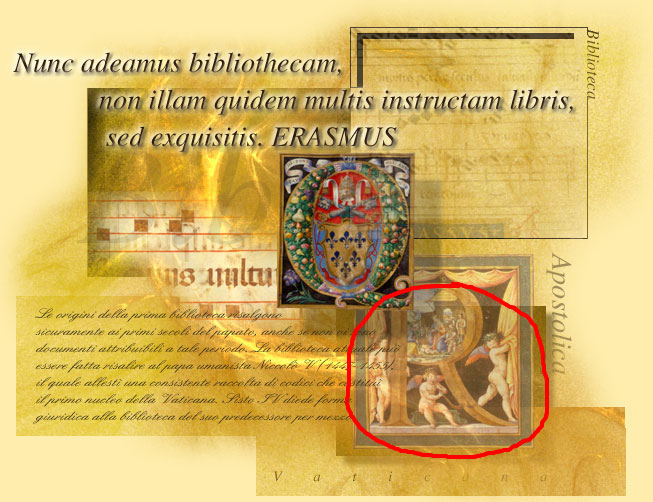
http://bav.vatican.va/en/v_home_bav/home_bav.shtml, Vatican Library (just the website’s homepage):
http://bav.vatican.va/en/v_bav/manoscritti/index.shtml, Vatican Library
Why didn’t the church use this symbol, instead of the god of sexual love???
Nor could this be worshipped in churches:

 … Maybe.
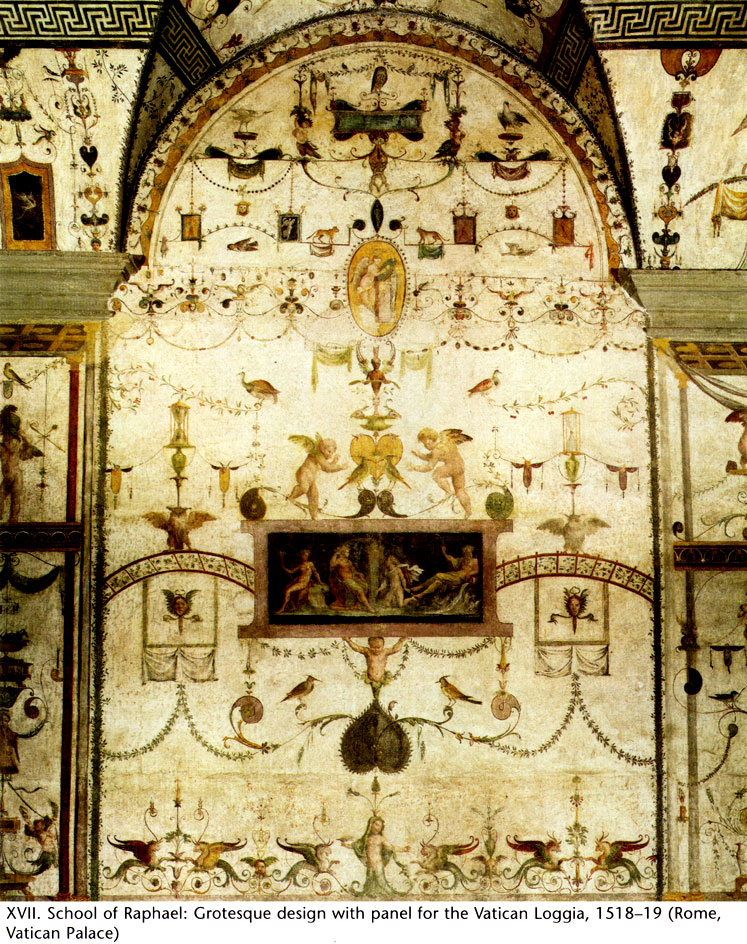
Raphael:
The Grove Dictionary of Art: From Renaissance to Impressionism: Styles and Movements in Western Art, 1400-1900, Turner, 2000, plate XIII, “Raphael … Vatican Loggia, 1518-19 … Vatican Palace”:
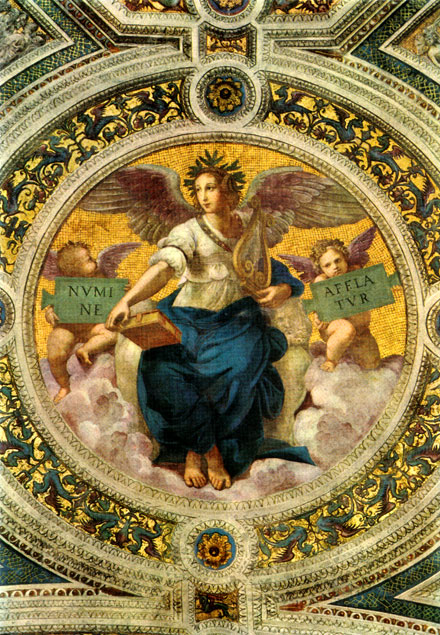
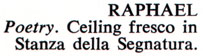
Vatican Museums, Rome, Newsweek, 1968, p. 128, “Raphael: Poetry”:
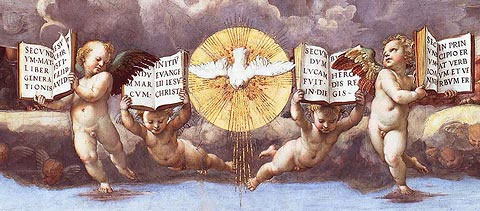
http://www.mcah.columbia.edu/dbcourses/arthum/medium/item_1380.jpg (via http://www.mcah.columbia.edu/cgi-bin/dbcourses/item?skip=1360), Raphael, Disputa, detail of the Dove of the Holy Spirit, c. 1509-1510, (fresco), Stanza della Segnatura, Vatican Palace, Rome:
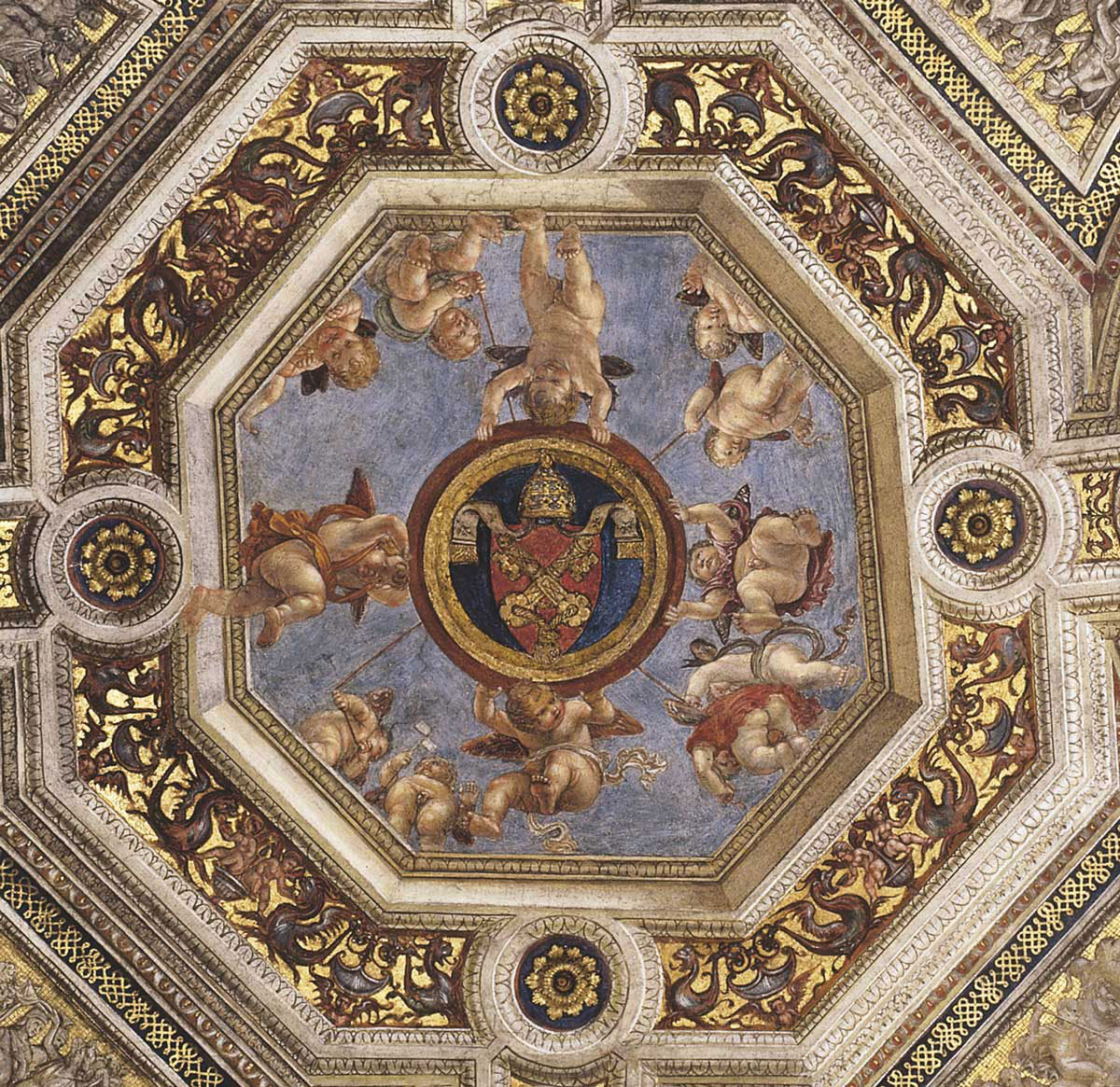
http://www.mcah.columbia.edu/dbcourses/arthum/large/item_1392.jpg (via http://www.mcah.columbia.edu/cgi-bin/dbcourses/item?skip=1360), Raphael, Ceiling of the Stanza della Segnatura, detail: Central Medallion with the Papal Arms, c. 1508-1509, (fresco), Vatican Palace, Rome:
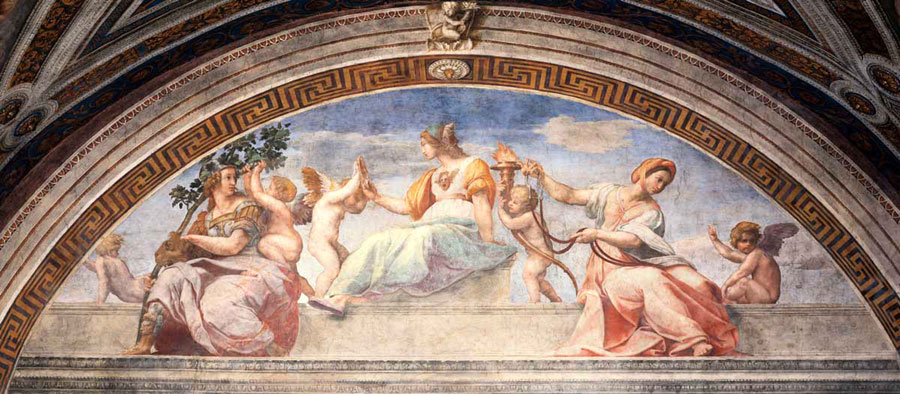
http://www.mcah.columbia.edu/dbcourses/arthum/large/item_1393.jpg (via http://www.mcah.columbia.edu/cgi-bin/dbcourses/item?skip=1360), Raphael, Jurisprudence with the Figures of Fortitude, Prudence and Temperance, 1511-1512, (fresco), Stanza della Segnatura, Vatican Palace, Rome:
“Sleeping Cupid”:
michelangelo: paintings, sculpture, architecture, Goldscheider, 1996, plate XXII (a-c) , “Michelangelo’s ‘Sleeping Cupid’”:
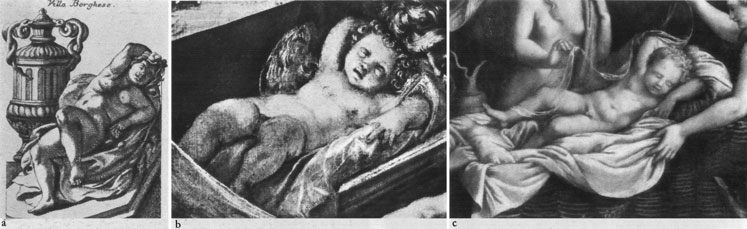

Surely aware of the many Cupids / Cherubs / Angels in church art, the genius Michelangelo apparently didn’t draw Cupids, except for one: “Sleeping Cupid.” Could that signify a “hidden” / “sleeping” meaning, to be exposed at a later time? … I think it’s time to wake the little fellow up.
For all you skeptics out there, here’s an example of what Eros does not look like sleeping:
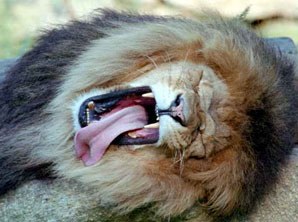
I don’t think this is a sleeping Eros either:
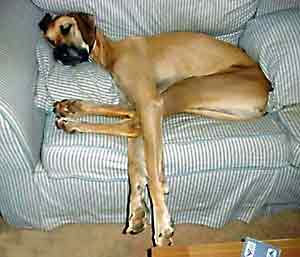
 … It depends on what he’s dreaming about.
http://pro.corbis.com/, Search # LX008034, Love Sleeping, Christian art:
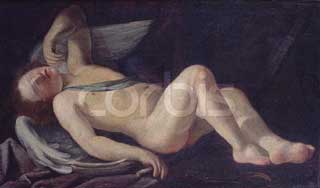
A painting of cupid sleeping in the hospital church of S. Maria Della Scala.
Americas:
http://pro.corbis.com/, Search # CU006680, Crucifix Sculpture at Mission San Jose (San Jose Mission, San Antonio, Texas), 1768-1782, Christian art:
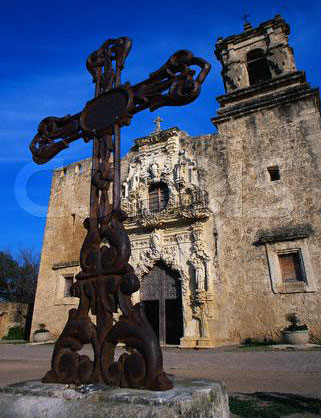
http://pro.corbis.com/, Search # PS008114, Sculpture on the Main Portal of San Jose Mission Church (San Jose Mission, San Antonio, Texas), 1768-1782, Christian art:
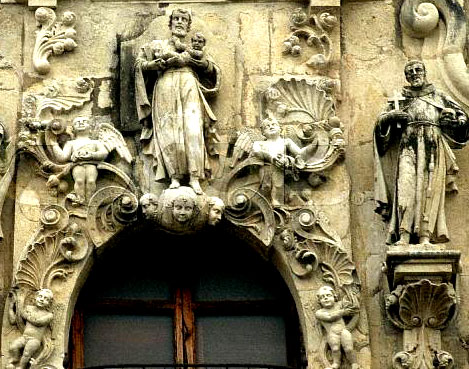
http://pro.corbis.com/, Search # AX931428, Our Lady of Guadalupe Sculpture on Mission Facade (San Jose Mission, San Antonio, Texas), 1768-1782, Christian art:
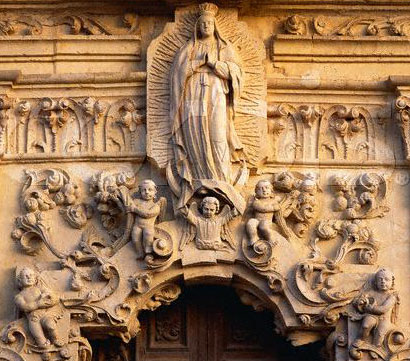
http://pro.corbis.com/, Search # SN003004, Sculpted Arch Doorway of Texas Mission (different door than above) (San Jose Mission, San Antonio, Texas), 1768-1782, Christian art:
http://pro.corbis.com/, Search # HR009755, Restoration program of the Convent of Santo Domingo (Convent of the Dominicanos). Built in 1510, this was the first university of the Americas (founded 1538), Christian art:
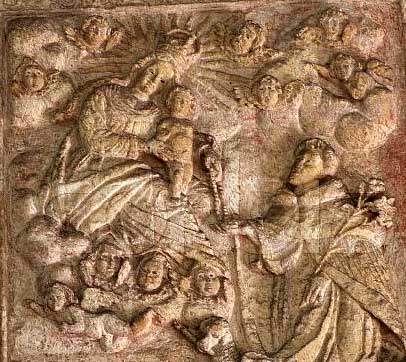
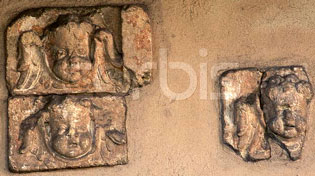
http://pro.corbis.com/, Search # HR009744, Cherub Heads from Convent of Santo Domingo, Christian art:
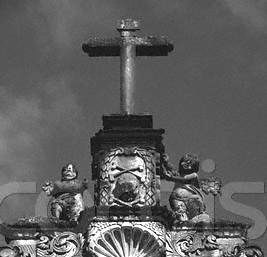
http://pro.corbis.com/, Search # CB063176; Cross atop Igreja da Ordem Terceira de Sao Francisco; Salvador, Brazil; 17th century; Christian art:
http://www.krysstal.com/ctq37.html, “Argentina”:
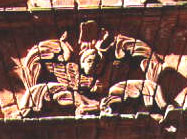
Detail from the ruined Jesuit mission of San Ignacio Miní, dating from 1632.
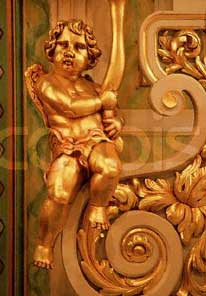
http://pro.corbis.com/, Search # CU003620, Gold Cherub Detail of Mission Santa Clara de Asis Altar (Santa Clara, CA), Christian art:
http://www.huv-photo.com/galleries/los_angeles/los_angeles02.html:
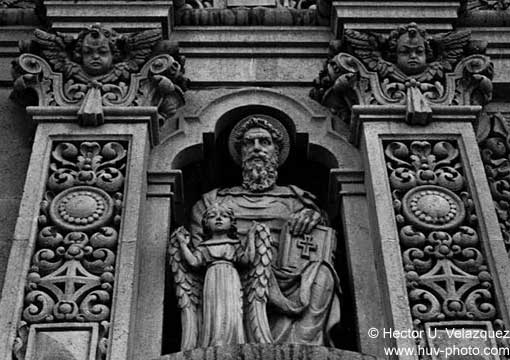
Another statue in front of St. Helen's Church in South Gate, January 1996.
http://creative.gettyimages.com/source/classes/FrameSet.aspx?s=ImagesSearchState|3|5|0|15|2|1|0|0|1|60|2ed3.d7c5.03ff.e000.002f.0ef0|1|0|la4052-001||1|0&pk=4, Gravestones and statues in cemetery, close-up:
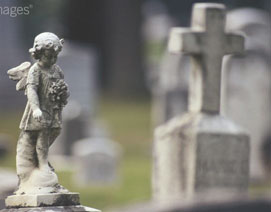
Mt Olivet Cemetery, Frederick County, Maryland, USA.
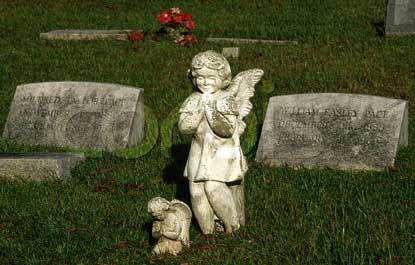
http://pro.corbis.com/, Search # AY007597, Episcopalian Grave Marker, Christian art:
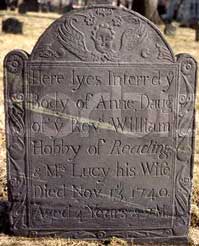
http://pro.corbis.com/, Search # SN004305, 18th Century Carved Grave Markers:
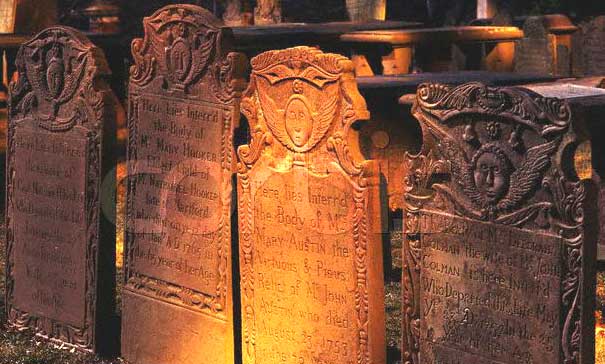
Carved gravestones mark the graves of early 18th century settlers in Hartford, Connecticut.
http://pro.corbis.com/, Search # ED002446, Gravestone at Old Burying Ground, Cambridge:
Cathedral of the Immaculate Conception (Catholic), 416 W. 12th Street, Kansas City, MO:
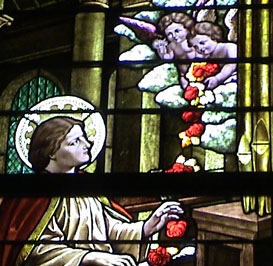
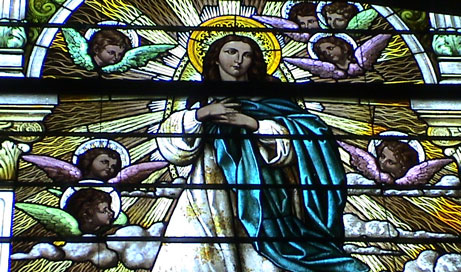
http://www.kcgolddome.org/cathedral/history.htm (Cathedral of the Immaculate Conception):
In 1912, stained glass windows were installed. The windows were made by local artists at the Kansas City Stained Glass Works Company. Obviously, the “local artists’” conception was derived by other / past Christian art provided; which, emanated from the earliest Christian / Eros art.
http://www.hemet411.com/cards/cardc.html, Virtual Cards: Christian Symbols Cards:
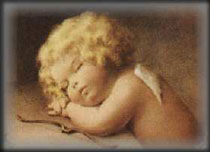
http://pro.corbis.com/, Search # CB030111, Cherub with Violin, Christmas decoration:
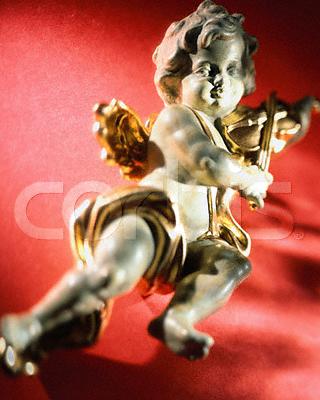
Christmas gift I received, 2002:
I realize that Early Christians had to deal with pagan gods because they had so much to do with the definition of words, etc.; but, why would one pagan god (Eros) became a Christian icon? Sex is not the only issue in Christianity, so why would they give so much support (or, feel the inspiration) for the one pagan Eros / Cupid? It’s possibly because that is where they knew the largest corruption lies. Jesus said there’d be a definite corruption:
Luke 23:29-31:
29“For the time will come when you will say, ‘Blessed are the barren women, the wombs that never bore and the breasts that never nursed!’ 30Then they will say to the mountains, ‘Fall on us!’ and to the hills, ‘Cover us!’ 31For if men do these things when the tree is green, what will happen when it is dry?”
And, I am definitely aware that today’s church and society is completely in the dry, because of today’s belief that the most “blessed” are the women who never have sex, by the change of the definition of virgin from “unmarried girl” to never had sexual intercourse, for both females and males.
I’m sure there was a period where Christians were aware of all the early Christian sex orgies, the true definition of agape, etc., but only supported marriage. It would have been like how today’s (mainstream) Mormons acknowledge that their founders practiced polygamy, but now only teach monogamy. If we weren’t so documented today, eventually the knowledge of prior Mormon polygamy would become extinct. (I don’t recommend the Book of Mormon.)