DIONYSUS – LATER CHRISTIAN ART
11th century (1000’s) to present
The vine and/or grapes theme has also carried over into later Christian art; I assume not so much in support of Dionysus / Bacchus, but because of the great amount in earlier Christian art:
11th century (1000’s):
—
12th century (1100’s):
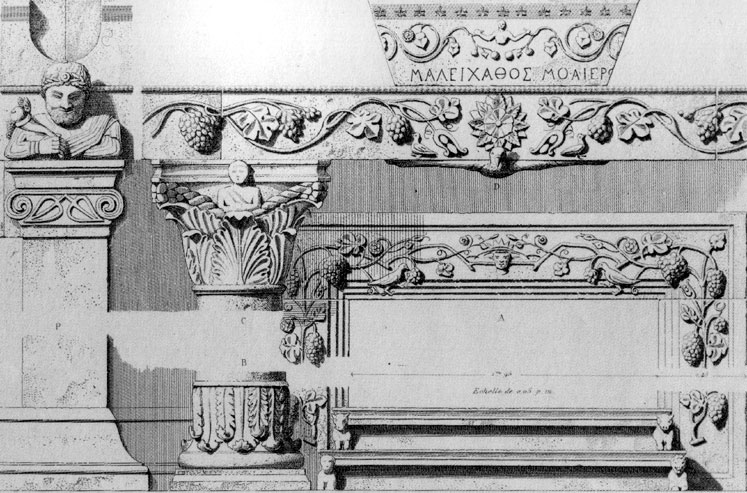
The Origins of the Romanesque: Near Eastern Influences on European Art, 4th-12th Centuries, Atroshenko / Collins, 1986, pp. 149-150, figure 96, “Early Christian Syrian stone churches | Siah, Syria” (grape vines) (probably 11th-12th century):

Rome 1300: On the Path of the Pilgrim, Kessler / Zacharias, 2000, p. 74, figure 68 (vine scroll):
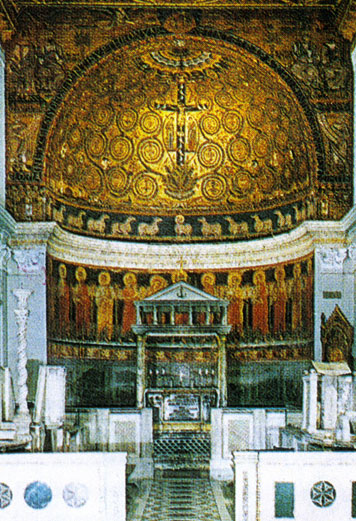
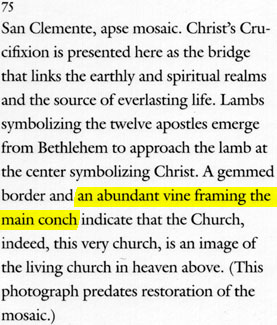
P. 75:
P. 81, figure 75:
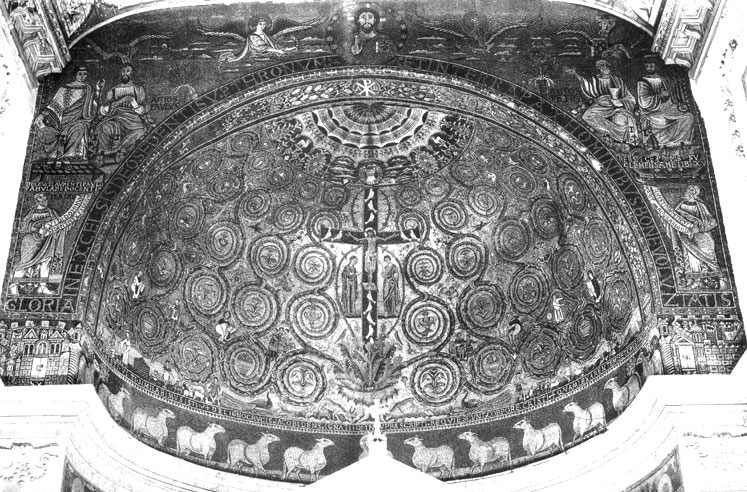
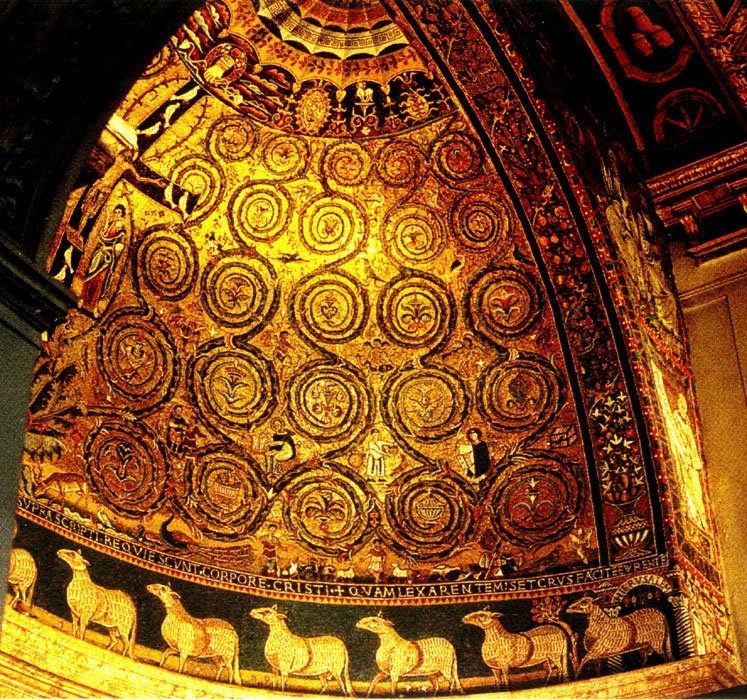
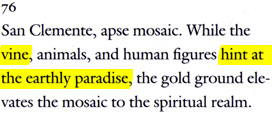
P. 82, figure 76:
http://research.yale.edu/divdl/images/cutts068.jpg (via http://research.yale.edu:8084/divdl/adhoc/objectdetail.jsp?objectid=11118), The AdHoc Image and Text Database on the History of Christianity, “Drawing of interior of Church of St. Clement … Rome … 12th century” (vine scrolls):
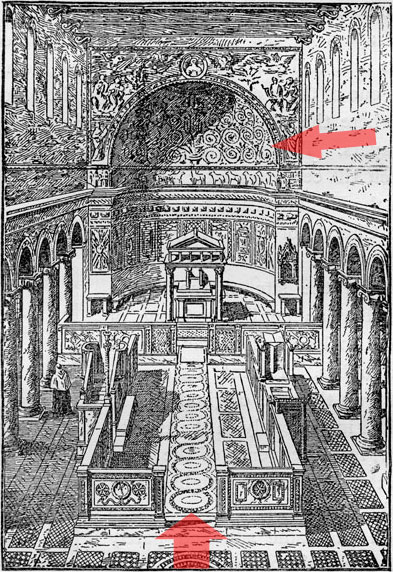
It is believed that the medieval Church of St. Clement, built in the 12th century, was built on top of a 4th century Church, which was in turn built over a house church going back to the first century. Its plan gives an idea of the interior of a primitive basilica.
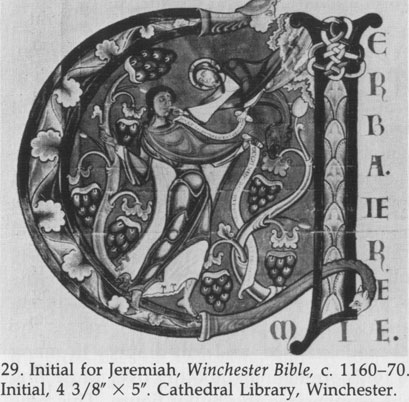
Medieval Art, Stokstad, 1986, p. 287, chapter 9, illustration 29, “Winchester Bible”:
13th century (1200’s):
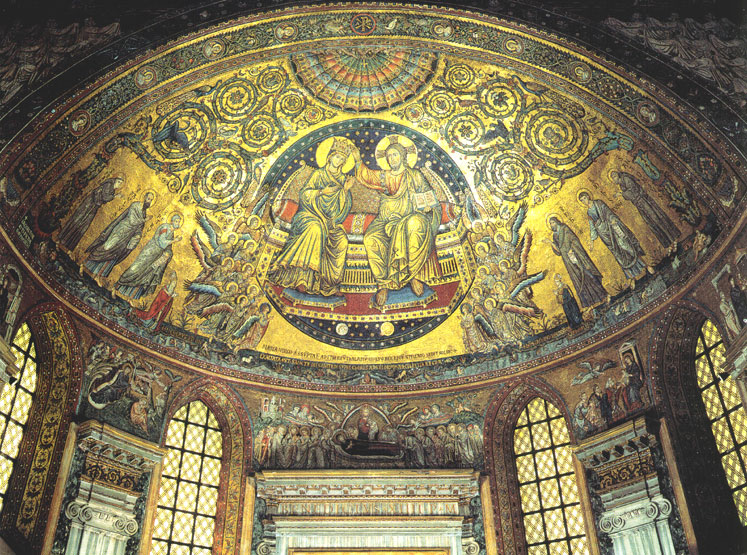
Rome 1300: On the Path of the Pilgrim, Kessler / Zacharias, 2000, p. 143, figure 140, “Santa Maria Maggiore, apse” (vine scrolls) (1295 AD):
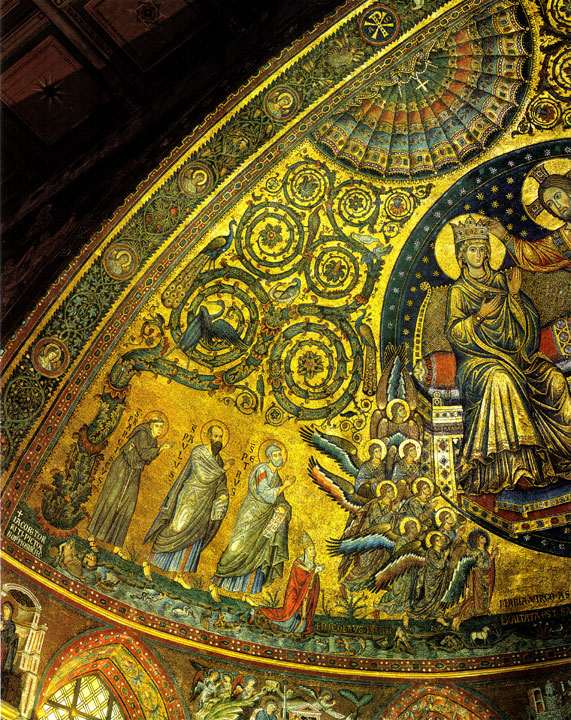
P. 144, figure 141, “Santa Maria Maggiore, apse, detail” (vine scrolls):
14th century (1300’s):
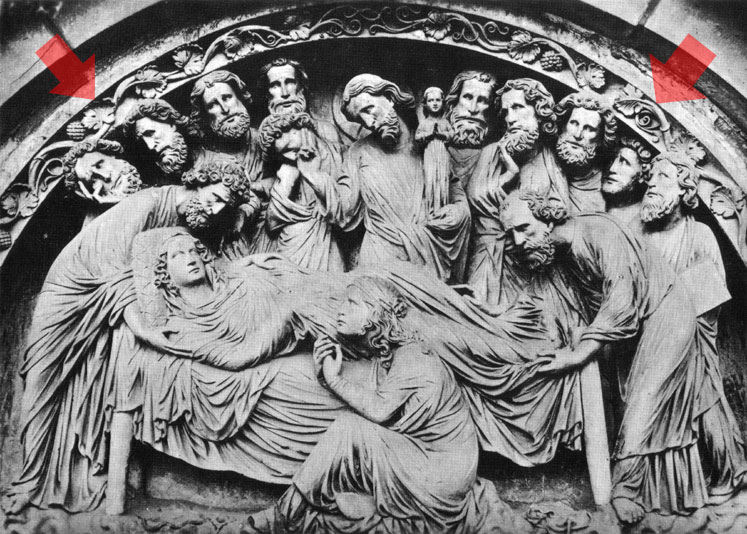
The Medieval World, Kidson, 1967, pp. 138-139, figure 92, “The Death of the Virgin. Second quarter of the 14th century” (grapevine):
15th century (1400’s):
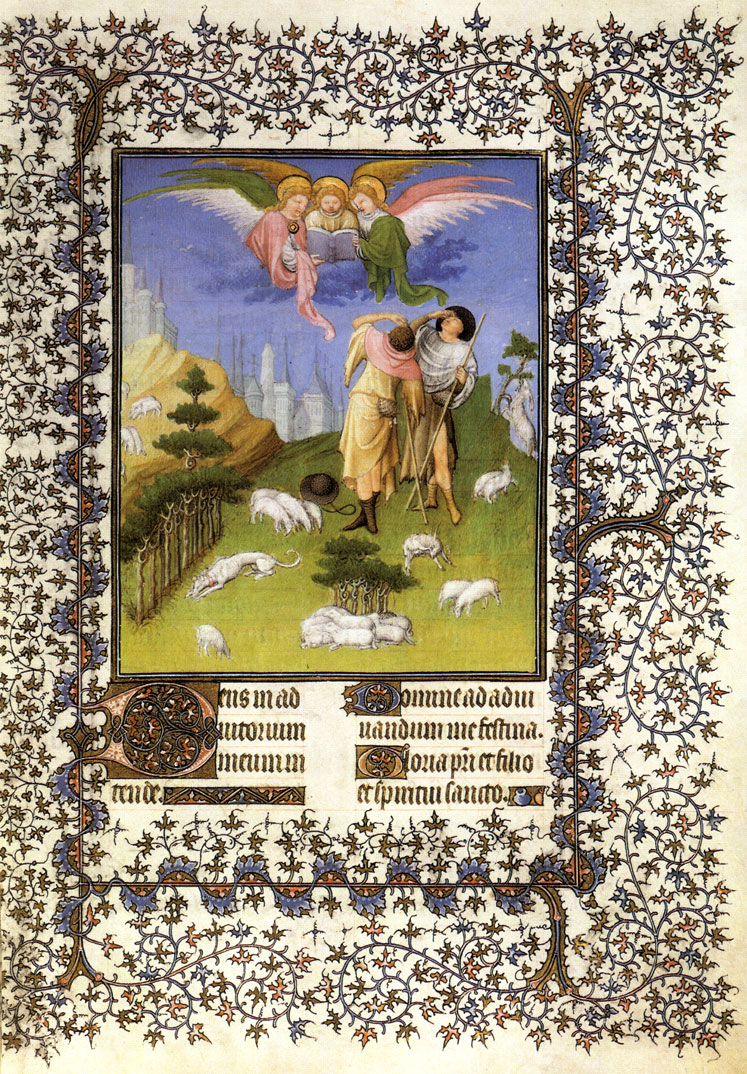
The Life of Christ: Images from the Metropolitan Museum of Art (New York), Burn, 1989, p. 13, “The Annunciation to the Shepherds, The Limbourg Brothers” (vines):
P. 94, “List of Illustrations | (page)13:
16th century (1500’s):
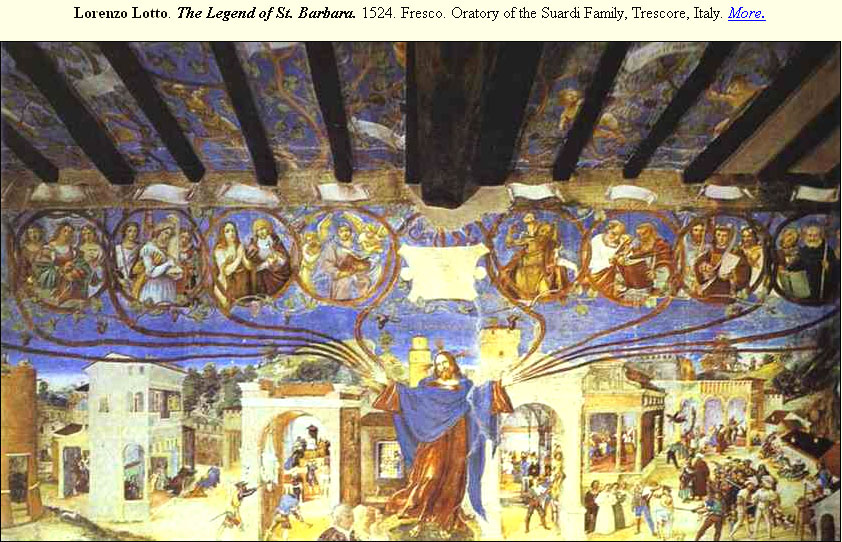
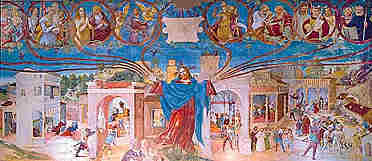
http://www.apt.bergamo.it/lottouk/lottouk7.htm (8-22-02), Lorenzo Lotto: Stories from the Life of St. Barbara, “Wall Fresco Trescore Balneario, Suardi Oratorio”:
The remarkable fresco which occupies the entire left-hand wall of the little oratory, once the chapel of Villa Suardi, has at its centre the large image of Christ inspired by the evangelical verse “I am the vine and you the shoots”. From his fingers emerge long tendrils with figures of saints which eventually run along between dancing putti up on to the ceiling … completed by 1524
http://www.abcgallery.com/L/lotto/lotto8.html, Olga's Gallery, “Lorenzo Lotto. The Legend of St. Barbara”:
Seeing Salvation: Images of Christ In Art, MacGregor, 2000, “Till Kingdom Come,” p. 199:
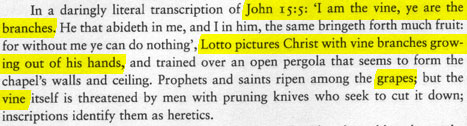
Well, the “heretics” who want to cut down the vine which represents Dionysus/Bacchus, is the Catholic Church.
Just a reminder:
http://www.nga.gov/collection/gallery/gg16/gg16-45821.0.html (National Gallery of Art); The Collection; The Infant Bacchus, probably 1505/1510:
Bacchus is typically portrayed as a young man wreathed with vines, his body slouched with the intoxicating effect of drink. This young child, who wears an ivy wreath and holds a wine pitcher, must also represent the god of wine.
http://www.medolagoalbani.it/gb/special.jhtml, Wine Company Medolago Albani, “Special”:
Just a
bit down the road from us in Trescore you have the opportunity to admire S.Barbera’s chapel, painted in fresco by Lorenzo Lotto. In this chapel , built in 1300
there are many delightful works such as “Il Cristo
delle vigne”(The Christ of the vines): the hands
of the Redeemer are extended to form vine
shoots framing around illustrations of Saints.The
ceiling of the chapel is decorated with vine
shoots among which grape harvesting angels-lovers
play.
Incidentally:
http://www.abcgallery.com/L/lotto/lotto26.html (Olga’s Gallery), Lorenzo Lotto. Venus and Cupid:
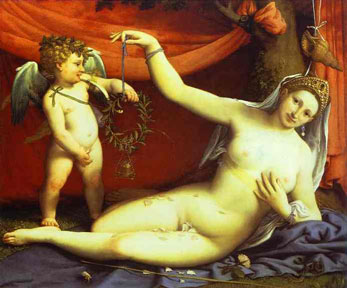
Lorenzo was familiar with Cupid / Eros.
17th century (1600’s):
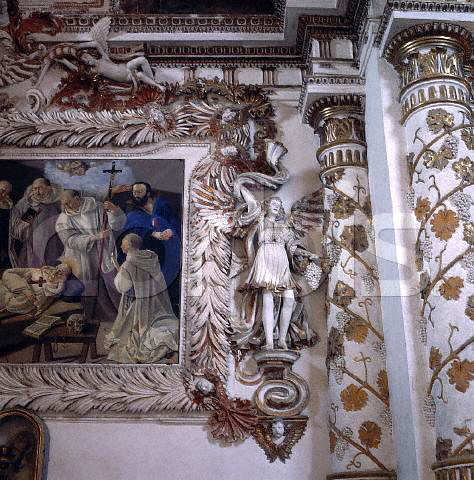
http://pro.corbis.com/, Search # MI001679, Baroque Wall and Column Ornamentation in Certosa di San Lorenzo at Padula (Italy), Christian art, Putti, Grapevines (Baroque = 1600 to 1750; church = 1306):
18th century (1700’s):
—
19th century (1800’s):
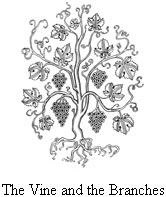
http://myweb.lmu.edu/fjust/Koch-ChristianSymbols.htm, Christian Symbols drawn by Rudolf Koch (1876-1934):
20th century (1900’s):
—
21st century (2000’s):
—
(I haven’t done in-depth research on any of these dates: all are just what I happened to run across.)

Probably period but unknown date:
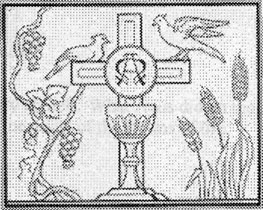
http://www.bright.net/~gray0013/symbols/cross.html (11-1-02), Cross Symbols:
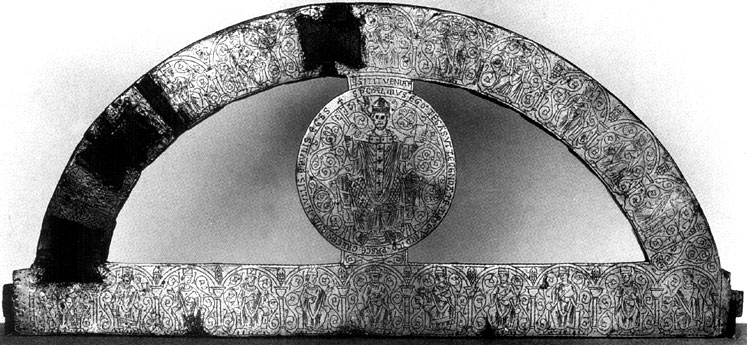
Rome 1300: On the Path of the Pilgrim, Kessler / Zacharias, 2000, p. 206, figure 211, “Saint Peter’s, confession, lunette” (grape vines):
Rome 1300: On the Path of the Pilgrim, Kessler / Zacharias, 2000, p. 180, figure 181, “Saint Paul’s Outside the Walls, candlestick” (grape vines / scrolls):

http://classics.furman.edu/~rprior/imgs/RCU4/4-060.jpg (via http://classics.furman.edu/~rprior/courses/RA/RAU4.html) (Furman University), Roman Archaeology: Roman Art, Ornamentation:
Vatican and column of the Holy Sacrament with detail (grape vines):
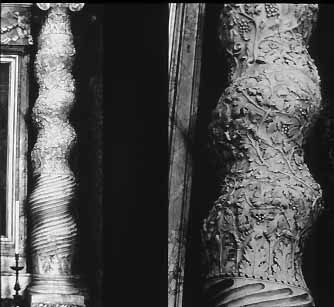
http://rubens.anu.edu.au/raid1cdroms/spain/valladolid/churches/angustias/P1010252.JPG:
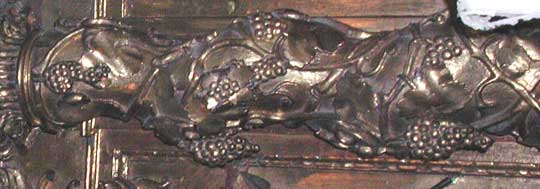
http://rubens.anu.edu.au/raid1cdroms/spain/valladolid/churches/angustias/P1010249.JPG:
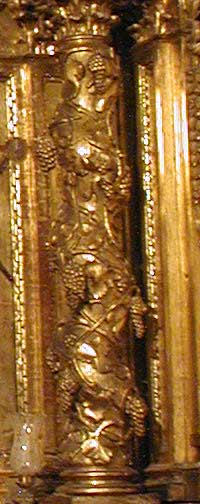
http://rubens.anu.edu.au/raid1cdroms/spain/valladolid/churches/angustias/P1010240.JPG:
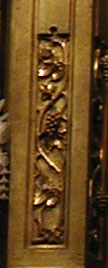
http://rubens.anu.edu.au/raid1cdroms/spain/medina_del_campo/churches/san_miguel/P1010949.JPG:
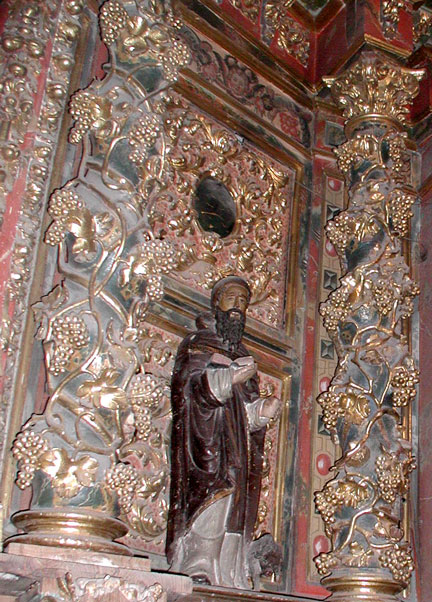
http://rubens.anu.edu.au/new/portugal/lisbon/churches/s_roque/interior/IMGP0533.JPG:
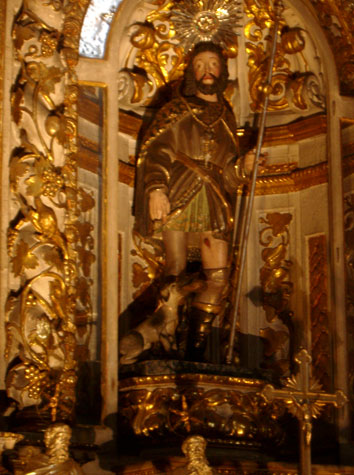
http://rubens.anu.edu.au/new/portugal/lisbon/churches/jeronimos/church/exterior/south_door/IMGP0496.JPG:
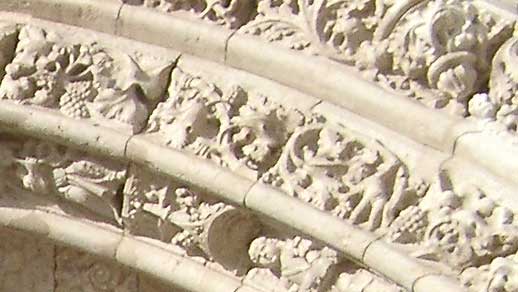
http://rubens.anu.edu.au/new/portugal/coimbra/churches/new_cathedral/IMGP2407.JPG:
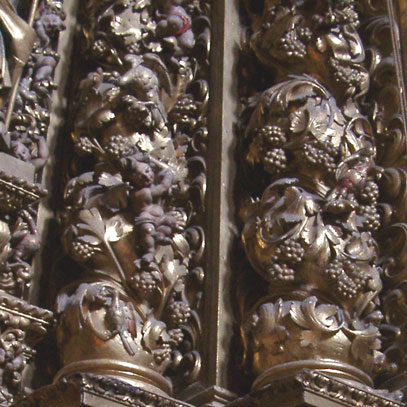
http://rubens.anu.edu.au/raider4/europe.0602/germany/mainz/churches/s_ignaz/exterior/IMGP4170.JPG:
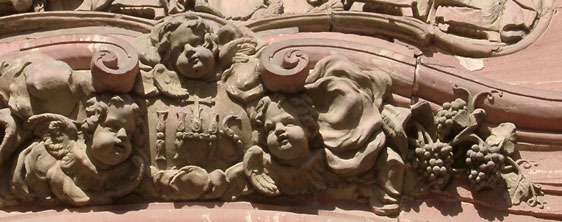
http://rubens.anu.edu.au/raid1cdroms/france/tournus/churches/s_philibert/refectory/P1016057.JPG:
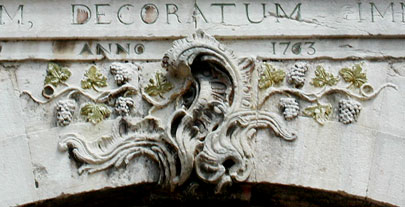
http://rubens.anu.edu.au/raid1cdroms/france/tournus/churches/s_philibert/interior/P1016151.JPG:
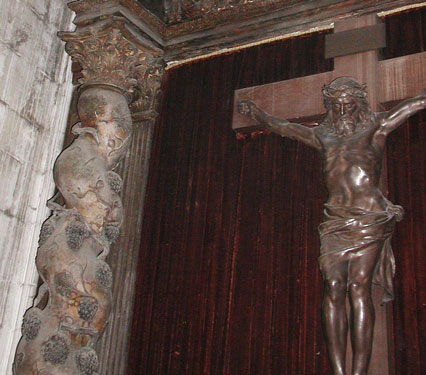
http://rubens.anu.edu.au/raid1cdroms/france/tournus/churches/s_philibert/interior/P1016150.JPG:
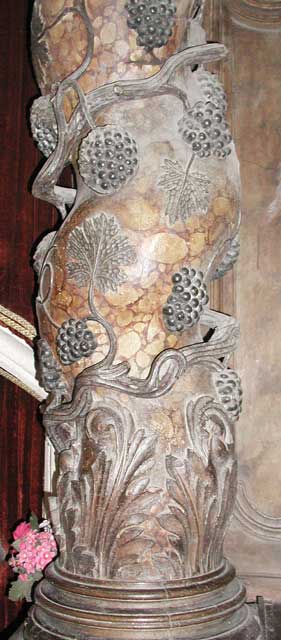
http://rubens.anu.edu.au/raid1cdroms/france/moissac/church/interior/sarcophagus/P1010466.JPG:
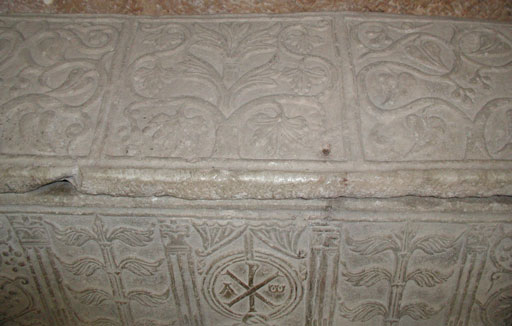
http://rubens.anu.edu.au/raid1cdroms/france/moissac/church/interior/sarcophagus/P1010465.JPG:
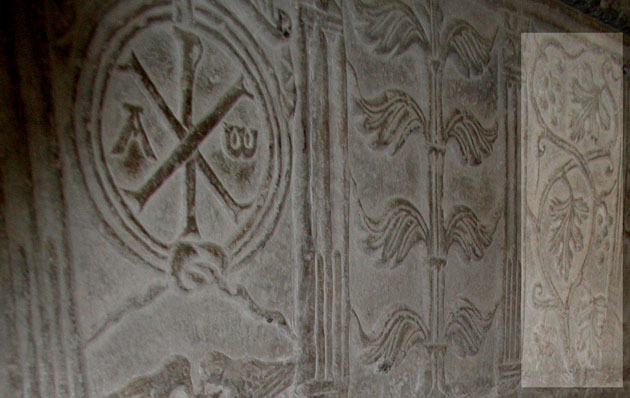
http://rubens.anu.edu.au/raid1cdroms/england/london/churches/city/st_mary_abchurch/reredos/P1014943.JPG:
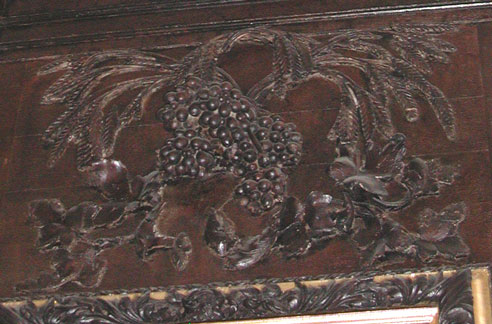
http://rubens.anu.edu.au/raid1cdroms/england/london/churches/city/st_mary_abchurch/baptistery/P1014940.JPG:
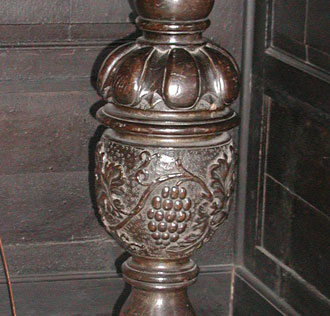
http://rubens.anu.edu.au/raid1cdroms/england/abingdon/churches/s_helen/interior/P1015377.JPG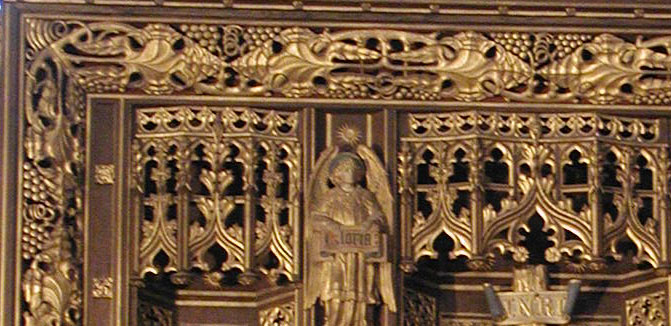
(I didn’t have the time to check rubens.anu.edu’s Italian listing.)
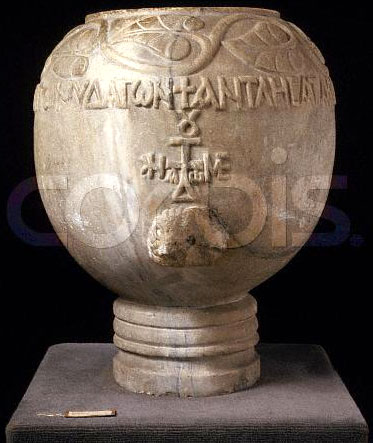
http://pro.corbis.com/, Search # DE003802, Medieval Vase from Torcello Cathedral, Christian art, Vine:
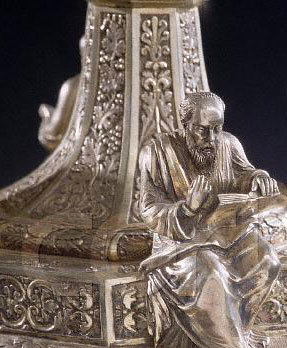
http://pro.corbis.com/, Search # EL006298, Detail of an Evangelist from a Renaissance European Gold and Silverwork Reliquary with the Four Evangelists, Christian art:
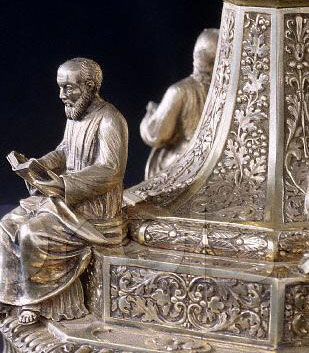
http://pro.corbis.com/, Search # EL006297, Detail Showing an Evangelist from a Renaissance European Gold and Silverwork Reliquary with the Four Evangelists, Christian art:
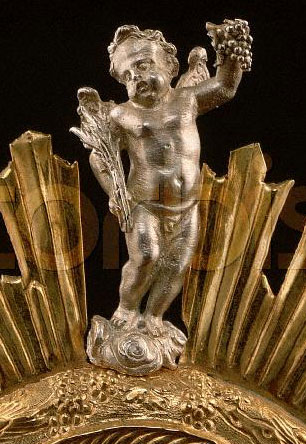
http://pro.corbis.com/, Search # EL006914, Detail of a Putti Figure from a Gold and Silverwork Renaissance Reliquary, Christian art (Eros holding grapes):
There are much more of these kinds of images, but I’ve already gathered “too much” supportive art. In fact, I feel I may lose readers simply because it’s already “too long.” – Then, that can be the “new” excuse.